
It said animal-like robots were designed to resemble or imitate an animal in appearance, movement, or behaviour.
“All other robots, including toys, must be able to fit within a carry-on size bag and comply with existing battery restrictions,” Southwest said.
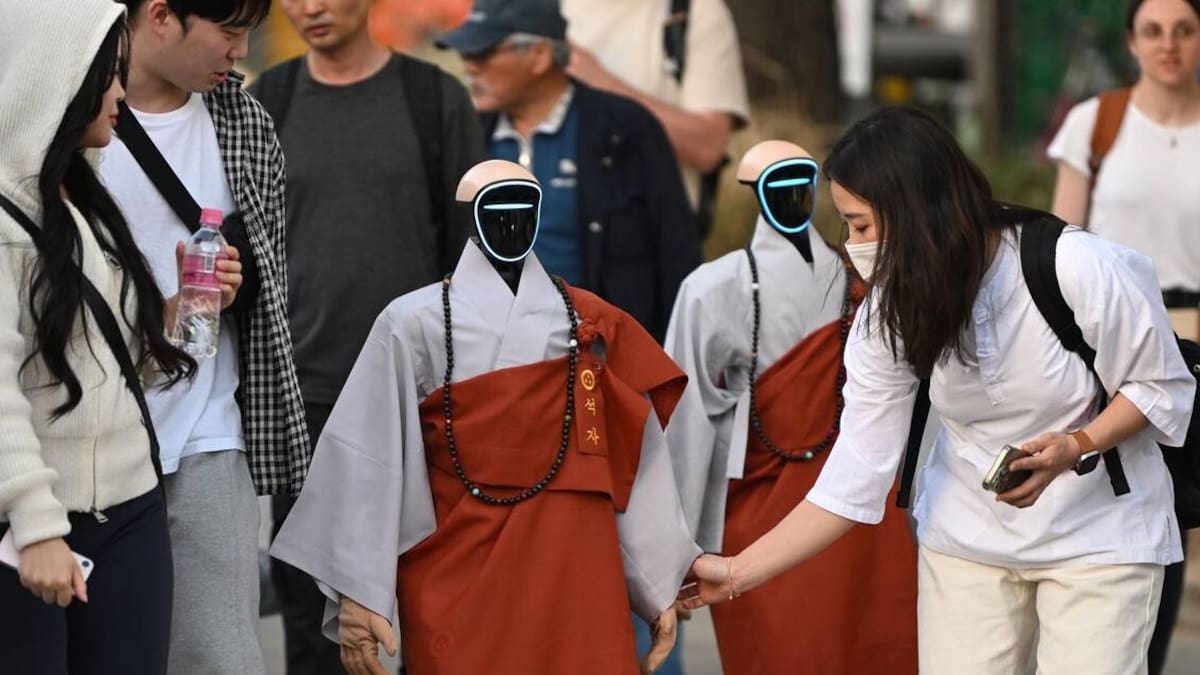
The ban emerged soon after humanoid robot Stewie travelled on a flight from Las Vegas to Dallas on May 7.
CBS News said Stewie’s human bought the robot its own seat, using a type of ticket often purchased for fragile items such as wedding dresses or equipment.
To meet airline and US aviation authority rules at the time, Stewie was reportedly fitted with a smaller battery that could pass through security.
Air New Zealand chief safety and risk officer Nathan McGraw said any non-standard items brought into the cabin were assessed on a case-by-case basis.
He said that was done to ensure items met all safety and operational requirements, including rules around batteries and electronic devices.
“Customers can purchase an extra seat for some items, such as large musical instruments, provided they meet our requirements,” McGraw told the Herald.
The airline said apart from the cost of buying a seat for the object a person wanted to travel with, no additional fees were charged.
Board of Airline Representatives (Barnz) executive director Cath O’Brien said airlines were increasingly taking greater care with lithium batteries and storage.
Last year, airport security staff confiscated nearly 500 batteries a day at Auckland Airport alone.
In New Zealand, hearing aids, lithium batteries, nickel-metal hydride and dry cell batteries, power banks, vapes and AirPods must go in carry-on luggage and not be checked in.
“Generally speaking, these lithium batteries or power banks increasingly have to be carried in-cabin, not plugged in, not used, in the seat pocket in front of you.”
That was because of increased concerns about combustion, she said.
“The pilot in command and indeed the airline have to make the rules for the airline itself,” she told the Herald.
“But every airline has to be compliant with the civil aviation authority rules in the country they’re operating in or between.”
O’Brien urged travellers to follow the advice of their airline and take care with batteries of any type.
“There are some disability or health devices that are very important but, you know, do you really need your hair straightener?”
Counterpoint Research said the number of installed humanoid robots worldwide would probably increase from 16,000 last year to 100,000 units by next year.
Last week, a dancing robot’s emulation of Michael Jackson’s Billie Jean ended when the machine tumbled mid-routine and had to be dragged offstage at an event in China.
China accounted for more than four out of five humanoid robot installations globally last year, the South China Morning Post reported.
John Weekes is a business journalist covering aviation. He previously covered consumer affairs, crime, politics and courts.
Stay ahead with the latest market moves, corporate updates, and economic insights by subscribing to our Business newsletter – your essential weekly round-up of all the business news you need.