
Back us when it really matters
Donate or subscribe today to support local independent journalism.
For a limited time, you can support Newsroom by subscribing to Newsroom Pro for only $199* (saving $91) and get 12 months access (for two users).
Opinion: The intergenerational 500-year nature-restoration vision of Zealandia Te Māra a Tāne is under threat, with the possibility of short-term gains right at our doorstep at risk of eclipsing long-term thinking.
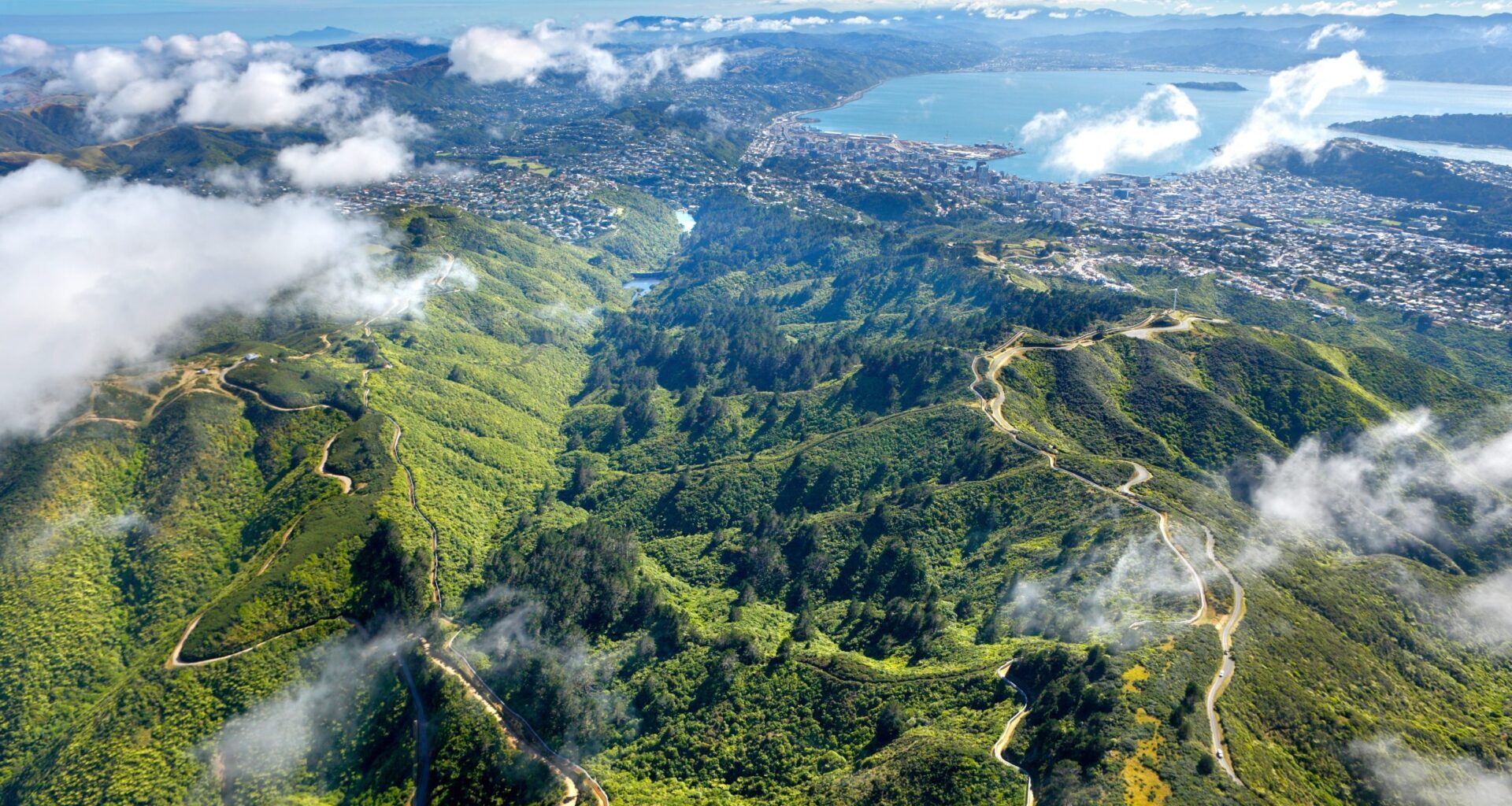
The pressures that surround Wellington’s globally unique urban ecosanctuary are overt and hard to ignore, and symptomatic of a nationwide challenge. Gold-mining prospecting permits have been granted right up against the southern and western boundaries of Zealandia. On the eastern side, Wellington City Council has recently weighed difficult decisions that would likely have led (and may still lead) to the expansion of the southern landfill, pushing our trash right onto the doorstep of one of Aotearoa New Zealand’s true bright spots for biodiversity.
The question is, what are we prepared to sacrifice for short-term gains?
Zealandia is at the heart of Wellington’s ecological revival. In the 1990s, Wellington was labelled a ‘biodiversity basket case’, with urgent, landscape-scale action needed to reverse the loss. Today, our city skies are filled with birdsong.
This resurgence has changed us as much as it has the landscape. As a city, we are deeply proud that the birds have inspired us to push further. Predator-Free Wellington has now created what may be the world’s only rat-free urban landscape. Our largest kiwi species roams the hills of Karori and beyond, thanks to Capital Kiwi. Our city vision is to be a place “where people and nature thrive”.
Wellington has become a global model for urban ecological restoration. Zealandia was cited directly in a recent Hawaiian legislation seeking to replicate the approach as “a pioneering conservation sanctuary … proving how dramatically nature can rebound with proper protection”.
The halo effect
Someone recently asked me, “So what? What does it matter if they mine gold just beside the sanctuary?”
It matters.
There are direct effects of activities like landfills and mining operations surrounding places like Zealandia. For example, you can already smell the Southern landfill at Zealandia on a calm day, and trash can be found inside the sanctuary after a big wind. The effects of pressures like human-made noise, light, and dust on ecosystems is also well-documented globally.
Back us when it really matters
Donate or subscribe today to support local independent journalism.
For a limited time, you can subscribe to Newsroom Pro for only $199 (saving $91) and get 12 months access (for two users).
More than that, however, the halo effect of Zealandia is unmistakable. The areas surrounding Zealandia are extensions of the sanctuary and biodiversity bright spots in their own right. They are the first places where wildlife spilling over the fence attempts to settle, and often have their own communities caring for them. Tīeke/saddleback successfully bred for the first time on mainland Zealandia in the sanctuary’s halo. We know important species, including the vulnerable Cook Strait Giant Wētā and hihi/stitchbird (in its yellow and black Wellington colours), are found very close to or within the places that would be affected by any mining or landfill development that progresses.
The halo landscapes are the testing grounds for what a truly nature‑rich future on mainland Aotearoa New Zealand could look like. Undermine these areas, and we undermine the gains we have collectively worked for.
What value do we place on nature?
Here in Wellington, you can see the signature of thousands of people and millions of volunteer hours etched in the landscape. It is a civic achievement as significant as any infrastructure.
The economic argument for nature is equally compelling. Ecosystem services provide, for example, improved flood and water management, cleaner air, and climate regulation, alongside measurable health benefits from a dose of nature.
These services aren’t trivial in value. A recent study into Predator-Free Wellington estimates that for every dollar spent on Phase 2, the return is $2.49 in outcomes such as health and wellbeing, tourism spend, and reduced damage to infrastructure from pests. Across the region’s wider biodiversity efforts, the cumulative return may reach the billions.
A World Wildlife Fund for Nature New Zealand and EY New Zealand analysis found that protecting nature could save Aotearoa more than $270 billion over the next 50 years by avoiding the costs of degraded water, declining fish stocks, and impacts on tourism and primary industries.
Nature is an asset that will appreciate over time.
What future are we choosing?
In a cost-of-living crisis, with global instability on every news page, it is easy to understand the pressures facing our decision makers. However, the trade-offs not only for Zealandia but for national conservation land will have intergenerational impacts. Successive governments over the last century did us the great service of protecting the biodiversity we still have today.
Now is the time for intergenerational thinking. What environment do we want for our great‑great‑grandchildren? How will we honour those who have gone before us? Now is the time for us to continue protecting nature over short-term gains. The costs of doing so today are far lower than the cost of repairing the damage later.
And to all Wellingtonians, you have shown you don’t need to be an expert or an activist to make a difference. You have already shown that small acts of stewardship, multiplied across a city, can bring nature back. Your care is pivotal in keeping it here.