
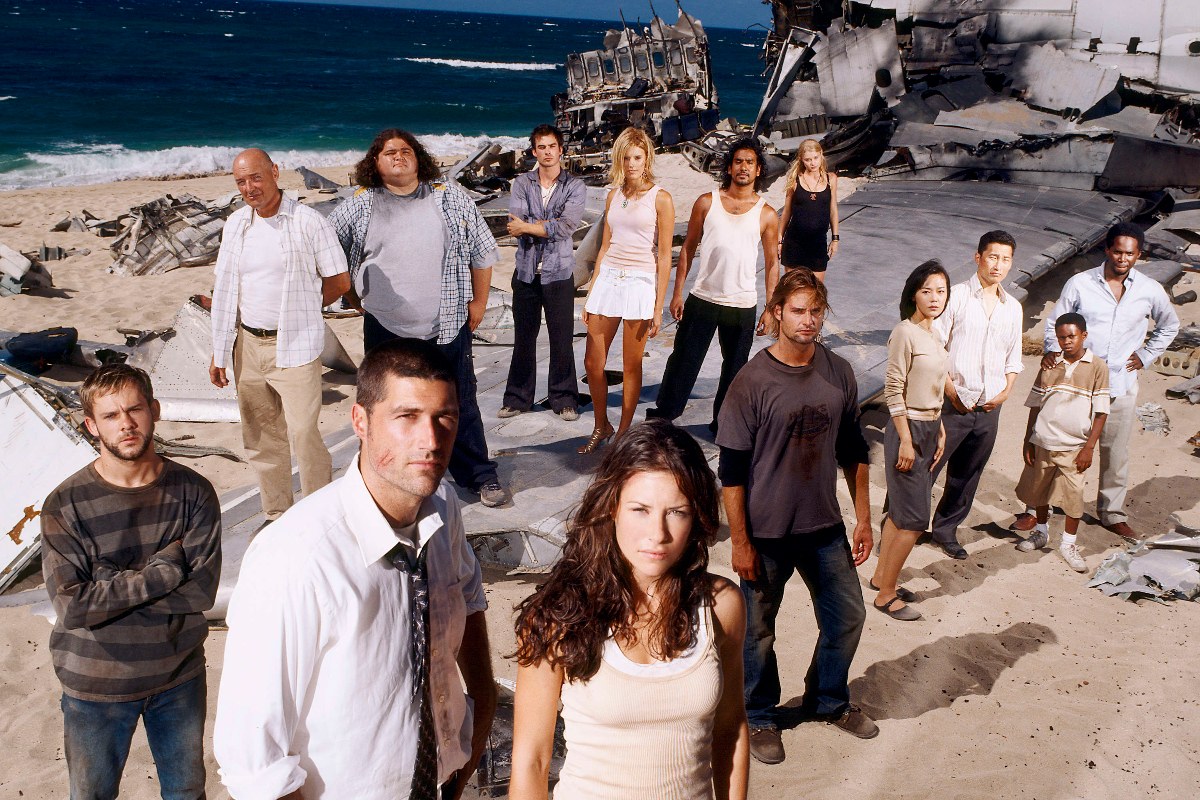
Premiering on ABC on September 22, 2004, Lost topped 18 million viewers in its early seasons, but its May 23, 2010 finale wasn’t a cancellation. By season 3, Damon Lindelof and Carlton Cuse had locked a six-season, 121-episode endpoint in agreement with ABC.
Jack, Kate, Hurley, Sayid, Sawyer, Desmond, Charlie: a roll call that still triggers a jolt of TV nostalgia. Behind the beach campfires and hatch codes, the show’s architects, Damon Lindelof and Carlton Cuse, mapped a finish line early, striking a deal with ABC to land the story within three more seasons. Ratings stayed solid even as the 2008 writers’ strike clipped season 4, and the finale drew 13.57 million viewers on May 23, 2010. This is the story of why the island saga ended on its own terms, and how its creators steered it there.
A series that rewrote the rules of TV drama
Few network shows hit like Lost when it landed on ABC on September 22, 2004. The crash on a mysterious island became a weekly ritual, introducing Jack, Kate, Hurley, Sayid, Sawyer, Desmond, and Charlie to millions. It mixed survival stakes with mythology that invited deep theorizing. By its finale on May 23, 2010, the series had secured a rare kind of cultural permanence.
A meteoric rise and loyal fanbase
The early numbers were seismic. Across its first two seasons on ABC, Lost averaged more than 18 million viewers, a watercooler juggernaut at a time when DVRs were just taking hold. The 2008 writers’ strike shortened season 4 to 14 episodes, and ratings softened, but the audience held. The 2.5-hour finale drew 13.57 million viewers, proof of lasting curiosity and commitment.
The creators’ bold choice
Lost did not end because it was canceled. It ended because the showrunners, Carlton Cuse and Damon Lindelof, asked for an end date. By late season 3, they saw the danger of spinning mystery for mystery’s sake, and the risk of exhausting character backstories. They negotiated with ABC to close the saga over three more seasons, giving writers a runway and viewers a promise: answers would come.
Debate, design, and the final chapter
Some fans argued the series was making it up as it went. The creators countered that, while not every beat was fixed from day one, the destination was mapped by season 4. That clarity shows in the late-run structure: time shifts, the Oceanic 6, and a tightening focus on the island’s purpose. The writers embraced risk to keep the story coherent.
The finale polarized critics, yet it resonated with many who valued the emotional arc over a mystery checklist. Indeed, Lost demonstrated that setting a finish line can sharpen a sprawling narrative rather than shrink it. Its planned conclusion also set a precedent on broadcast TV, encouraging other showrunners to negotiate endgames and reminding audiences that closure, not just endurance, can define a phenomenon.