
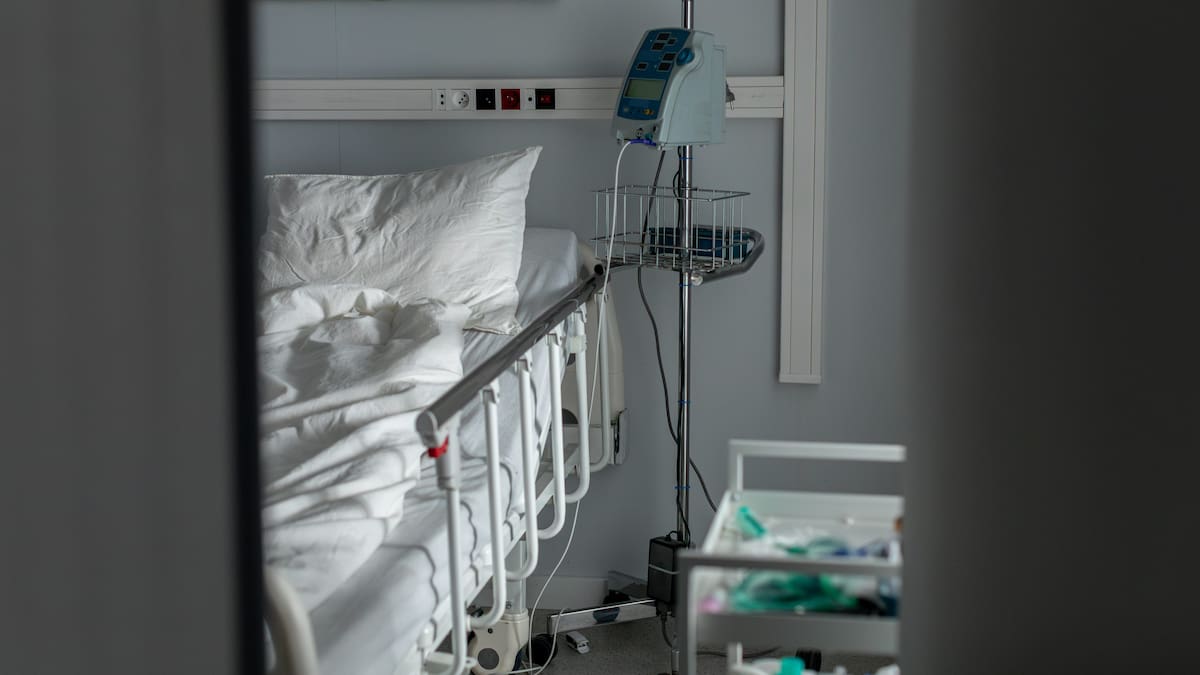
But the report also found that many rural hospitals had spare capacity.
Bed utilisation varied hugely, from an average 108% in Whakatāne, to only 52% at Tokoroa Hospital.
Between 2023 and 2025, hospitals such as Kaitāia and Ashburton had also used on average just over half of their hospital beds each month.
The average of the wider group was 79.5% – but that was well below the national average and the recommended best-practice threshold of 85%.
NZRDA and APEX national secretary Dr Deborah Powell said it was due to staffing.
“If we don’t have enough medical staffing in the EDs or up on the wards, then patients don’t get seen,” she said.
The number of patients who did not wait for treatment had also increased.
Between July 2023 and June 2024, 7204 patients were triaged in EDs at those 12 hospitals, but did not wait for treatment. By the following year, that number had grown to 8654 patients – a 20% increase.
“We suspect that’s because the waits are too long and so they’ve left and gone to a bigger hospital – left Taupō and driven up the road to Rotorua for instance,” Powell said.
Increasing the number of patients seen at smaller hospitals would free up space in metropolitan hospitals, she said.
Health NZ has been approached for comment.
Recommendations
The report made two recommendations – firstly, to invest more in rural medical staffing.
“Our health workers love working in our rural and community hospitals,” she said. “They report it’s a great place to work, they get a real sense of community, of doing good work.”
But that would change unless they were supported, Powell said.
Secondly, shifting to a seven-day service model.
Seven-day service was not even the norm in metropolitan hospitals, she said – although that was increasingly common.
“We need to move away from on-call rosters and start working seven days a week.”
Demand for diagnostic services was growing, including for radiology scanning and laboratory work.
Staffing each weekend day as though it was a weekday was a simple way to improve productivity, both on the wards and in specialist services, she said.
NZRDA represents 3000 resident medical officers including trainee interns, house officers, registrars and fellows, and APEX represents more than 6000 allied, scientific and technical health workers.
– RNZ