
NEED TO KNOW
A weak solar wind stream may slightly boost northern lights activity on May 27 into early May 28
Aurora activity will be most visible in northern regions like Canada, Alaska and the northern U.S.
Dark skies and minimal light pollution offer the best chance to see the auroras during peak hours overnight
The cosmos is putting on a show again tonight!
A weak high-speed solar wind stream flowing from a coronal hole on the sun is expected to brush past Earth tonight, May 27, into the early hours of Thursday, May 28, potentially giving the northern lights a subtle boost.
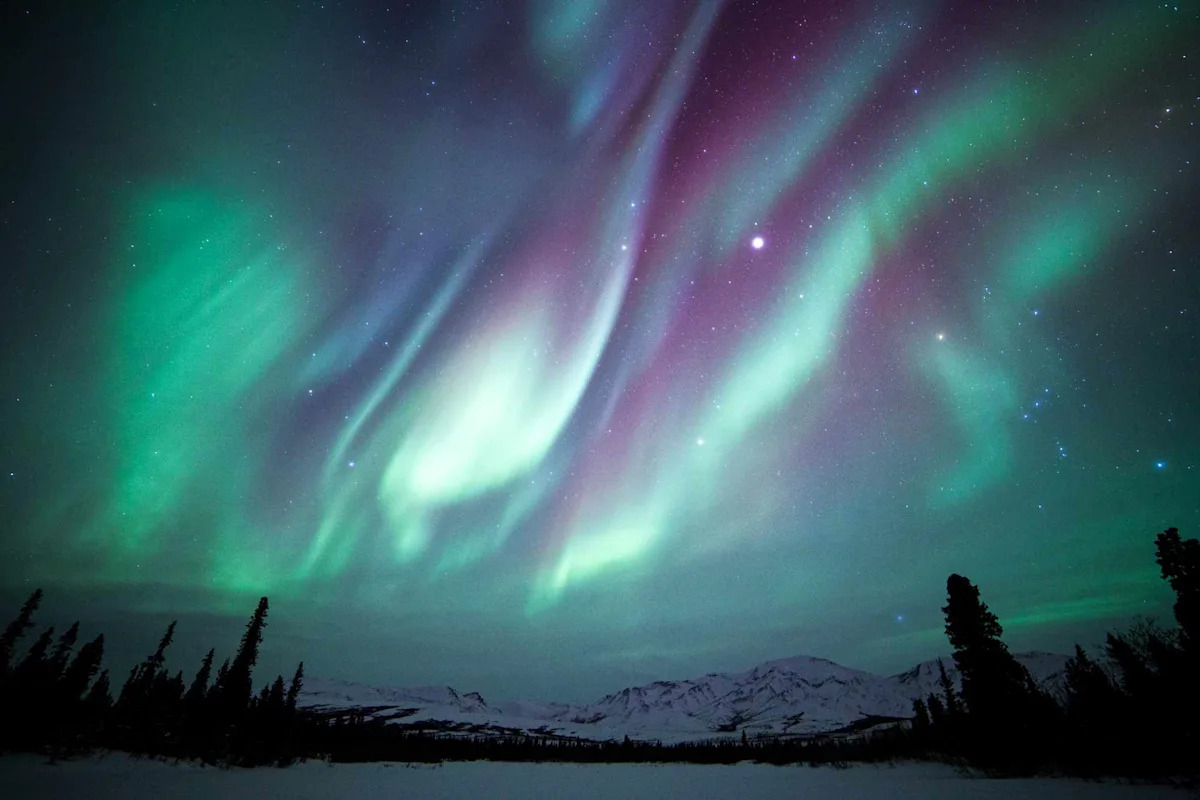
For reference, the northern lights (aurora borealis) are a result of geomagnetic storms, which occur when charged particles from the sun collide with gases in the Earth’s atmosphere, creating brilliant waves of light in the sky.
While this isn’t shaping up to be one of those major geomagnetic storms, space weather forecasters say auroral activity could become slightly more active as solar wind speeds increase.
The sun is also getting noticeably rowdier with several increasingly active sunspot regions rotating into view, and NOAA forecasters are closely monitoring the growing potential for stronger M-class solar flares in the coming days.
In the meantime, read on for when, where and how to witness this stellar event.
When will the northern lights be visible?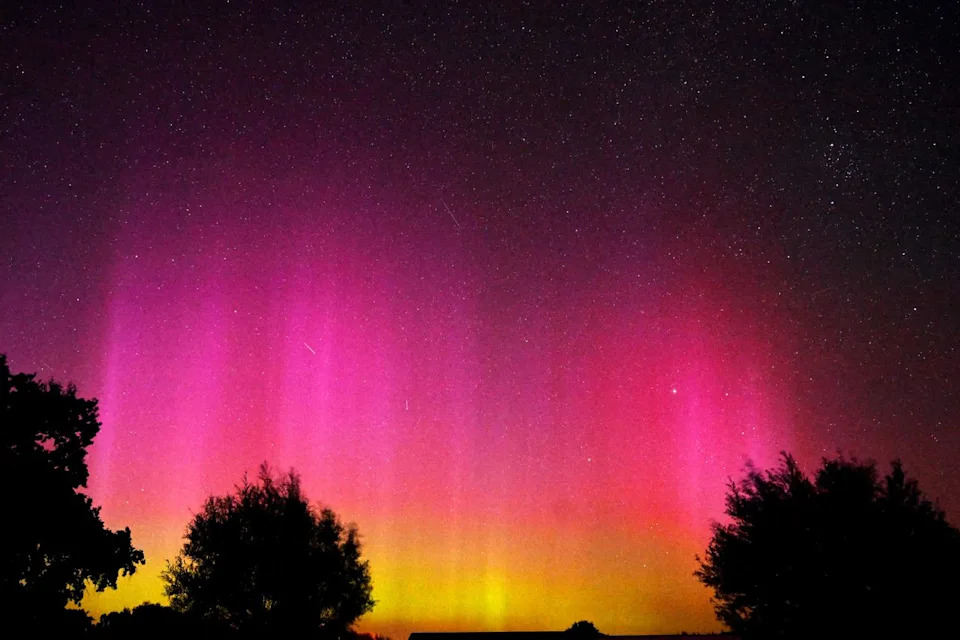
(aurora borealis) illuminating the sky above Guelpe
Credit: RALF HIRSCHBERGER/AFP via Getty
According to NOAA forecasters at the Space Weather Prediction Center, geomagnetic conditions are expected to rise from quiet to unsettled and possibly active levels on Wednesday, May 27, through the early hours of Thursday, May 28, as solar wind speeds increase.
Aurora activity is typically strongest closer to local midnight and during the darkest overnight hours, especially between roughly 10 p.m. and 2 a.m. local time.
Where will the northern lights be visible?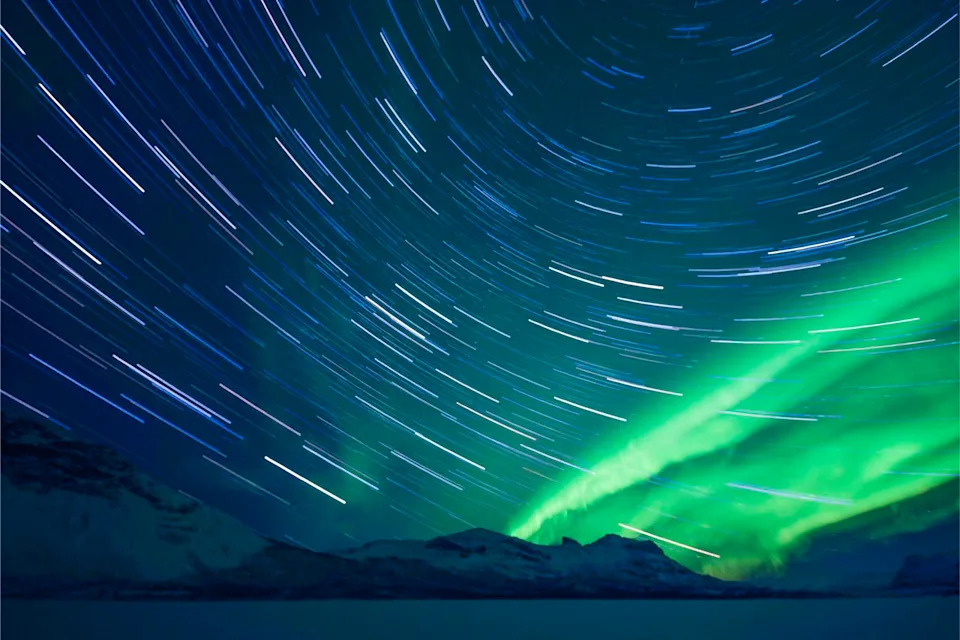
Northern lights in Yellowknife.
Credit: Getty
Since this is expected to be a relatively minor geomagnetic storm, the best viewing chances remain farther north across parts of Canada, Alaska and the northern tier of the United States.
Areas with dark skies, minimal light pollution and clear weather conditions will have the strongest odds of catching any faint auroral activity.
How to watch the northern lights?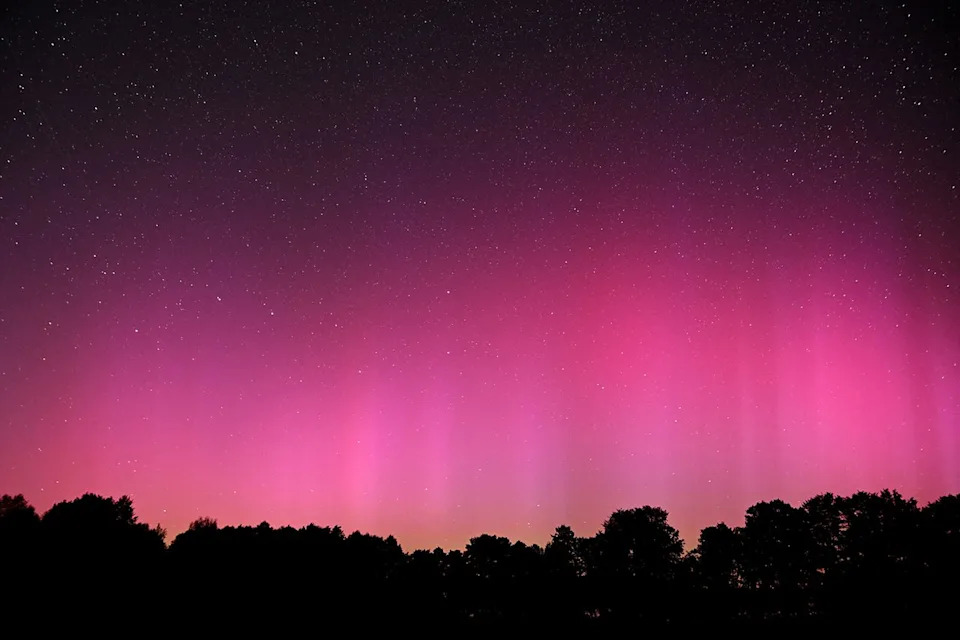
Northern Lights Perseids Meteors
Credit: SERGEI GAPON/AFP via Getty
Find a dark location away from city lights, ideally with a clear view of the northern sky.
The darker your surroundings, the more vivid the aurora colors will appear. Remember to also keep tabs on real-time conditions using NOAA’s 30-minute aurora forecast and space-weather apps that track solar wind and magnetic field changes.
How to photograph the northern lights?
You don’t need professional gear to capture the auroras… but it certainly helps!
If you’re hoping to photograph the northern lights, you’ll want to keep your setup as steady as possible, since the auroras are best captured with long exposures. But if you have a smartphone handy, that works just fine.
All you have to do is head to your device’s settings and tap the “Night Mode” option or “Pro Mode” with similar exposure times.
Read the original article on People