
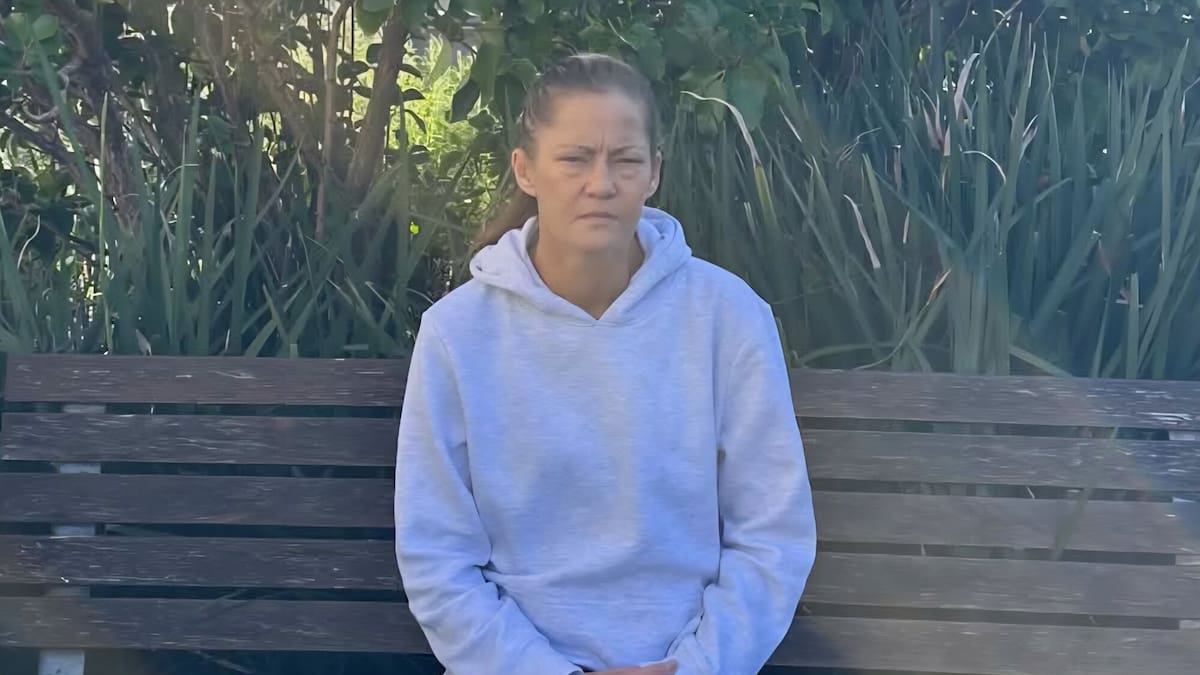
“We’re barely coping … “
She believed she probably could have kept working if she could be treated in Tauranga.
Penman told the Bay of Plenty Times last Wednesday she was on the waitlist but did not know when a space would become available.
“You just sit and wait and pray you make it.”
Following NZME’s inquiries to Health New Zealand Te Whatu Ora, the agency confirmed on Monday this week Penman had been offered a space in the Tauranga unit three times per week.
“We extend our sincere apologies to Tui and her whānau and fully acknowledge what a difficult time it has been.
“We understand the significant physical, emotional, and financial toll experienced by patients and families who are required to travel long distances for life-sustaining haemodialysis treatment.”
Haemodialysis must be carried out multiple times per week to replace essential kidney functions for people with kidney failure.
This month, the Australia and New Zealand Dialysis and Transplant Registry and the Australian and New Zealand Society of Nephrology published their haemodialysis capacity survey findings from 2025.
They measured capacity by calculating the ratio of people receiving haemodialysis to haemodialysis machines. Ratios of more than four people per machine indicated the unit was operating above capacity, the report said.
While the “ideal” ratio was “not clear”, it was “likely to be substantially less than four people per machine”, it said.
Of 12 renal services nationally, seven had a ratio of four or above, including the Bay of Plenty at 4.05 and Waikato Hospital at 4.08.
In renal failure before age 30
Penman said she was diagnosed with type 1 diabetes at age 15 and renal failure in her late twenties.
“The last thing teenagers want to do is take care of themselves properly … By the time it became important and a priority in my life, it was too late.”
Penman did peritoneal dialysis at home before starting haemodialysis at Waikato Hospital in February.
Travelling to Hamilton was exhausting. On days she did not have dialysis, “I just sleep”.
“I’ve considered giving up dialysis because of it, which makes me terminal … ”
She believed Tauranga Hospital needed “double the amount” of dialysis machines, despite the hospital doubling its dialysis unit capacity in 2023.
Tauranga Hospital’s renal unit is over-capacity. Photo / Kelly O’Hara
On Monday this week, Penman said she was “surprised” but “very happy” to access dialysis in Tauranga. Her first session there was on Saturday.
The “game-changer” result meant she could go to a Saturday family lunch.
“It’s all those times that you want to spend with your family … and the massive difference it makes.”
Penman said she lives with her son. She has two other Tauranga-based children and two grandchildren.
Although she did not think she could get her old job back, “I’ll definitely start looking again”.
Kidney Health New Zealand general manager Madi Keay said diabetes and high blood pressure were the leading causes of kidney disease nationally.
Kidney Health New Zealand general manager Madi Keay.
When diabetes was unmanaged, the additional high blood sugar could cause damage to tiny vessels, including those in the kidneys, Keay said.
“Once you’re in kidney failure, your options are dialysis, transplantation or death.”
She believed a lack of screening in primary care and a focus on prevention contributed to growing demand for dialysis.
“Listening to stories like Tui’s, I think everyone in that position would wish that they had been given the opportunity to preserve their kidney function earlier … ”
Plans to increase Whakatāne haemodialysis capacity
Health NZ Bay of Plenty operations group director Sarah Fenwick said increasing access to haemodialysis services closer to home was a priority.
Fenwick said the Tauranga and Whakatāne units were operating at capacity.
The Tauranga unit treated 56 patients across 14 chairs and Whakatāne treated 24 patients across six chairs weekly.
Health NZ was planning to increase haemodialysis availability in Whakatāne to allow for an additional eight patients per week.
Seven Eastern Bay patients were travelling to Tauranga, and five Western Bay patients were travelling to Waikato for dialysis services, Fenwick said.
The numbers fluctuated and were lower than in recent periods, however, the longer-term trend reflected growing demand for haemodialysis services, she said.
Fenwick said Health NZ was developing a renal dialysis plan to help address gaps and improve equitable access to services nationally.
This included assessing where future dialysis capacity was needed most, workforce and infrastructure requirements, and how services could be strengthened in rural and high-demand communities.
Fenwick said Health NZ was also exploring opportunities for earlier intervention and targeted screening in high-risk populations to support better kidney health outcomes.
Megan Wilson is a health and general news reporter for the Bay of Plenty Times and the Rotorua Daily Post. She has been a journalist since 2021.
Tags:
- above
- barely
- because
- becoming
- believes
- capacity
- considered
- coping
- could
- crisis
- days
- delivery
- Dialysis
- Disease
- exhausted
- financially
- for
- forces
- giving
- haemodialysis
- hospital
- kidney
- left
- lifesustaining
- Megan
- months
- mother
- nationally
- New Zealand
- News
- NewZealand
- NZ
- Operating
- patient
- penman
- Point
- renal
- report
- reports
- says
- several
- shuttle
- taking
- tauranga
- Terminal
- three
- to
- travel
- Treatment
- unable
- units
- waikato
- week
- while
- wilson
- Work