
Consumer NZ chief executive Jon Duffy said it seemed a sensible move.
“It seems sensible to put these costs on a highly profitable industry,” he said.
“There is potential for these costs to be passed through to consumers, but it’s really too early to tell.”
New Zealand Banking Association chief executive Roger Beaumont said banks understood the need for appropriate funding for regulators.
“Banks will engage constructively with the Reserve Bank in the consultation process to help make the levy appropriate, effective, and well targeted,” Beaumont said in an emailed statement.
A spokesman for the Insurance Council of New Zealand said: “We look forward to engaging constructively with officials to ensure the approach is effective and proportionate.”
Willis said the Government’s approach was consistent with international practice in countries like Australia, Canada and the United Kingdom.
“This levy will ensure the cost of regulation and supervision is borne by financial market players rather than taxpayers,” she said.
The prudential levy is estimated to recover around $209 million over the next four years.
The levy will be paid to the Reserve Bank, with the revenue returned to the Government through an increased dividend.
Speaking after the Budget was delivered, both Willis and Prime Minister Christopher Luxon warned banks not to pass on the cost of new levies to New Zealand customers.
“You are some of the most profitable companies in the country. You do very well for yourselves. Do not put extra costs on to your New Zealand customers,” Willis said.
The Reserve Bank will commence consultation with the sector following the Budget. Cabinet is aiming to make decisions in early 2027, with a view to the levy being introduced in mid-2027.
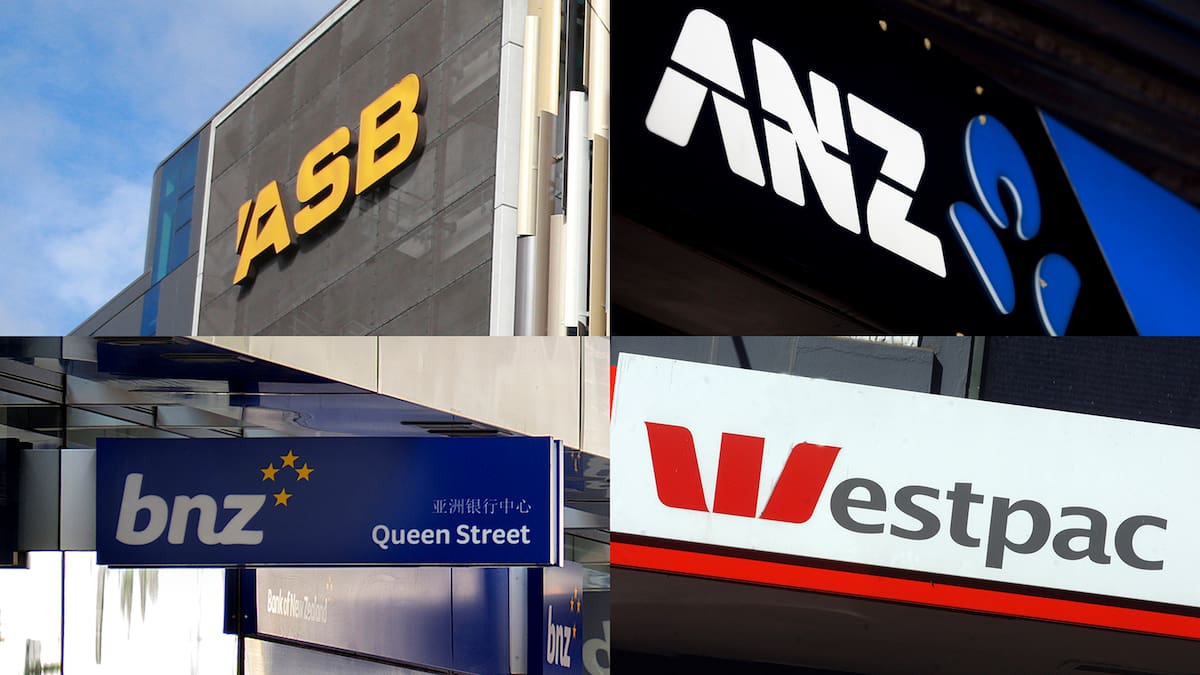
The revenue from the new levy will be less than 1% of the total profits of the big four banks alone.
The big four Australian-owned banks, and the much smaller Kiwibank, earned a total of $7.48 billion in their most recent financial years.
The Reserve Bank’s prudential responsibilities include licensing entities to operate in New Zealand, developing and issuing prudential requirements imposed on regulated entities and monitoring the financial health of entities.
The levy will apply to deposit-takers, insurers and financial market infrastructure providers.
There are currently 27 registered banks and 14 licensed non-bank deposit takers in New Zealand and 81 insurers.
Jamie Gray is an Auckland-based journalist, covering the financial markets, the primary sector and energy. He joined the Herald in 2011.
Stay ahead with the latest market moves, corporate updates, and economic insights by subscribing to our Business newsletter – your essential weekly round-up of all the business news you need.
Do you have questions about the Budget? Ask our experts – business editor at large Liam Dann, senior political correspondent Audrey Young and Wellington business editor Jenée Tibshraeny – in a Herald Premium online Q&A here at nzherald.co.nz at 9.30am, Friday, May 29.