
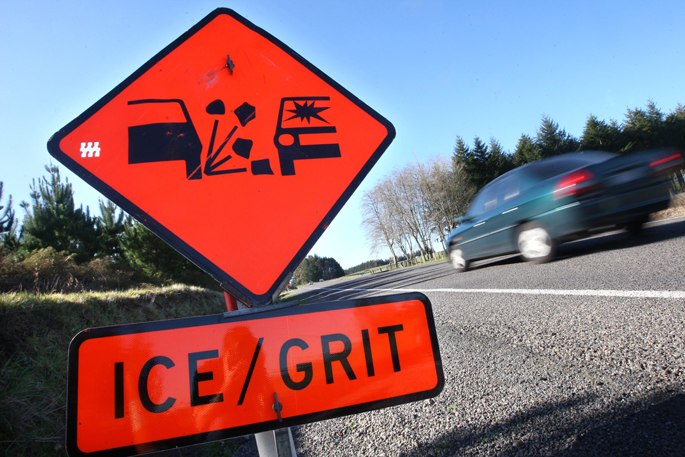
NZ Transport Agency Waka Kotahi is urging motorists to take extra care as temperatures drop and black ice begins forming on roads across the country.
In a post on Facebook, the agency said recent reports of black ice highlight the hidden danger drivers face when overnight temperatures fall to around or below freezing.
“A road with black ice can look normal because the layer of ice is thin enough to allow the black colour of the road to show through. (The ice isn’t actually black, but that’s why it’s called black ice.)
“Even though the layer of ice is thin, it’s still slippery enough to cause you to lose control of your vehicle.”
NZTA said while it’s hard to see it, knowing how black ice forms helps you be aware of when it might be a hazard.
Black ice forms when temperatures fall to 0°C or below, particularly after light rain or when existing moisture on the road surface freezes. Because the ice is thin and transparent, the road can appear normal, making it especially hazardous for drivers unaware of the conditions.
Motorists are being advised to remain vigilant, particularly in the early morning or in shaded areas where ice is more likely to linger throughout the day.
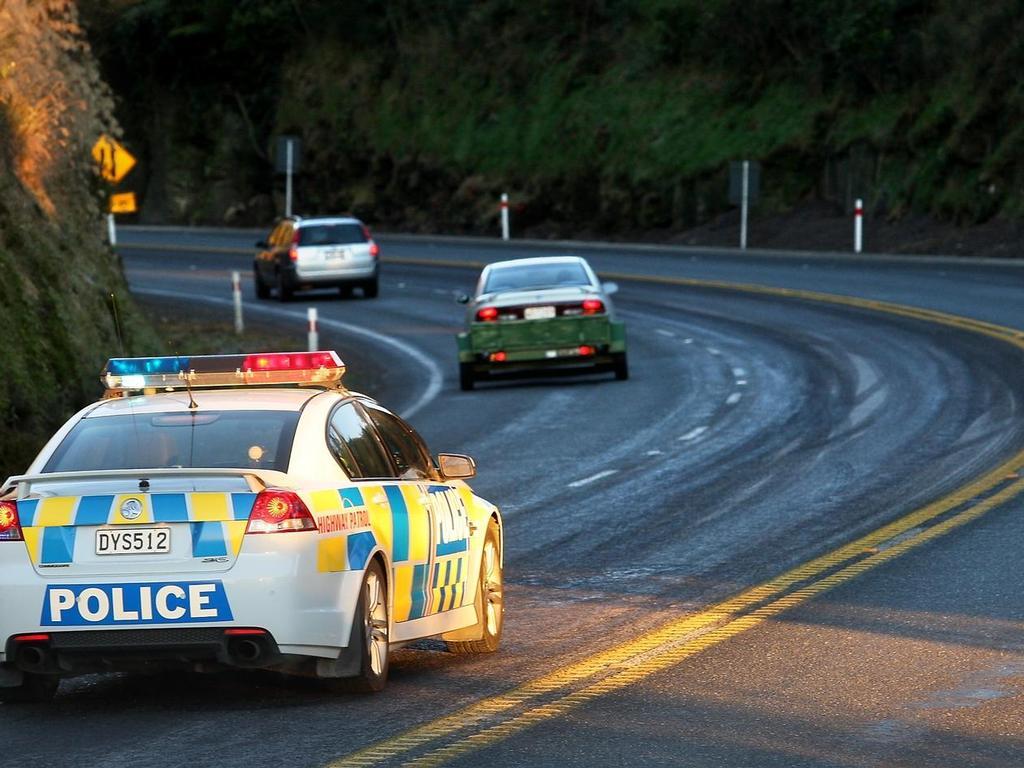
Severe frosts can cause black ice on roads. File photo / NZ Herald
Drivers should reduce their speed, increase following distances, and avoid sudden braking or sharp steering movements to minimise the risk of skidding. Extra caution is also recommended on stretches of road that receive little sunlight, as these areas can stay icy for longer.
NZTA said road crews were actively applying grit and anti-ice treatments during winter to improve driving conditions, but warned these measures don’t eliminate the risk.
The agency also encouraged motorists to prepare their vehicles ahead of winter by checking lights and tyres. Ensuring headlights, brake lights and position lights are working, and confirming tyres have sufficient tread and correct pressure, can improve safety in poor conditions.
Drivers were reminded to check state highway conditions before travelling, particularly during severe weather events, when closures may be necessary to keep road users safe.
With more unsettled weather expected over the coming months, NZTA said being prepared and adapting driving behaviour would be key to staying safe on winter roads.