
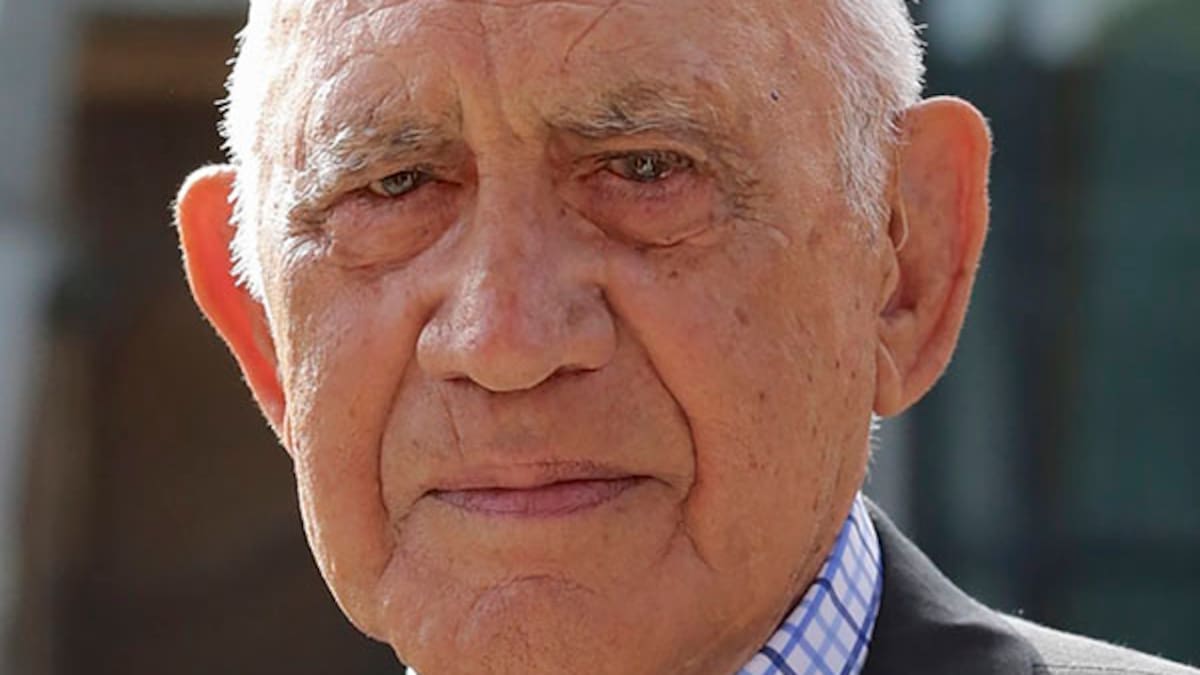
“One could say that yes, I did walk the talk.”
Mead was the founding Professor of Māori at Victoria University of Wellington and established the first Department of Māori Studies in New Zealand along with the first university-based marae on a campus – Te Herenga Waka.
After his retirement from Victoria University, he helped establish Te Whare Wānanga o Awanuiārangi in Whakatāne. Mead said he couldn’t have achieved all that he did without the support of his late wife Lady June Mead, who had a lot to do with the establishment of the wānanga.
Into his 90s, Mead continued to chair the council of Te Whare Wānanga o Awanuiārangi
Mead was one of the curators of the 1984 landmark exhibition, Te Māori, which toured the United States before returning to Aotearoa as Te Hokinga Mai.
On the plane trip back to New Zealand he said it was a confirmation to Māori people that they had been right.
“And so, what we’re getting at all of these venues overseas was a confirmation to the Māori people that we’ve been right, we’ve been right to hold fast to our culture to hold fast to Māoritanga, that we really do have something to give to the world at large. And if the New Zealand Pākehā rejects it, well, I think from now on what we have to say is, ‘that’s their hard luck’.”
He was the inaugural chairman of Te Rūnanga o Ngāti Awa and chief negotiator for Ngāti Awa Treaty claims from 1992 to 2005.
Mead was instrumental in negotiating the return of the famous wharenui Mataatua, “Te Whare i Hoki Mai or the House that Came Home”, to Whakatāne, which was opened in 2011.
In the 2006 Queen’s Birthday honours he was named a Distinguished Companion of the New Zealand Order of Merit for his services to Māori and Education. He was knighted in 2009.
He was the author of several books, including Tikanga Māori: Living by Māori Values.
– RNZ
Sign up to The Daily H, a free newsletter curated by our editors and delivered straight to your inbox every weekday.