
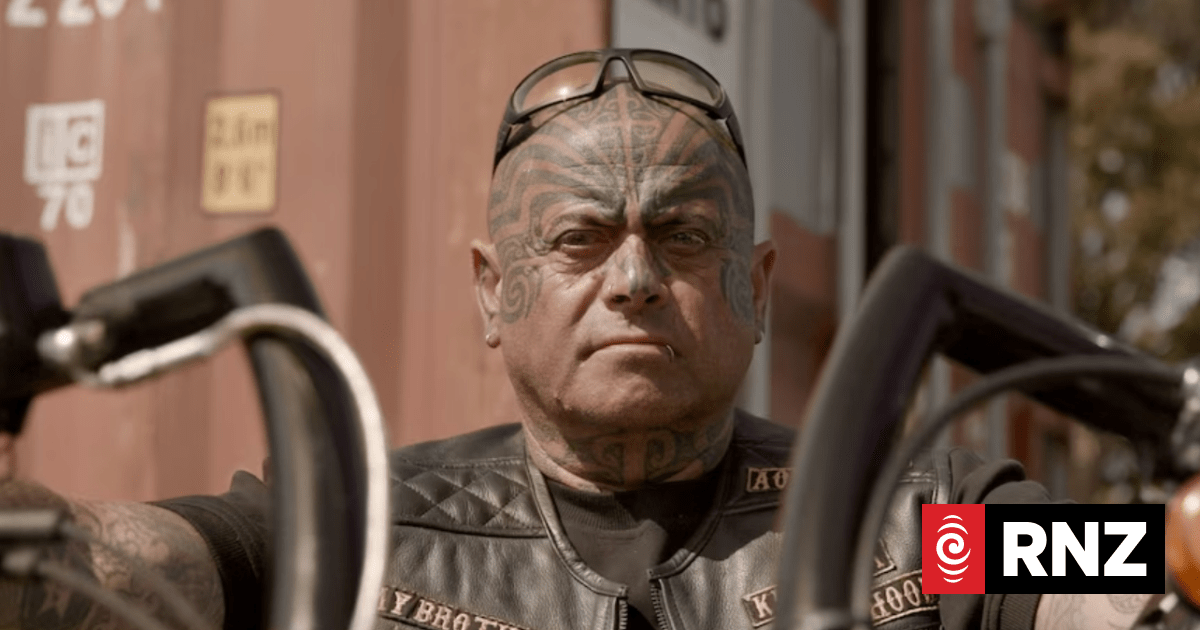
By Marty Smiley, ABC
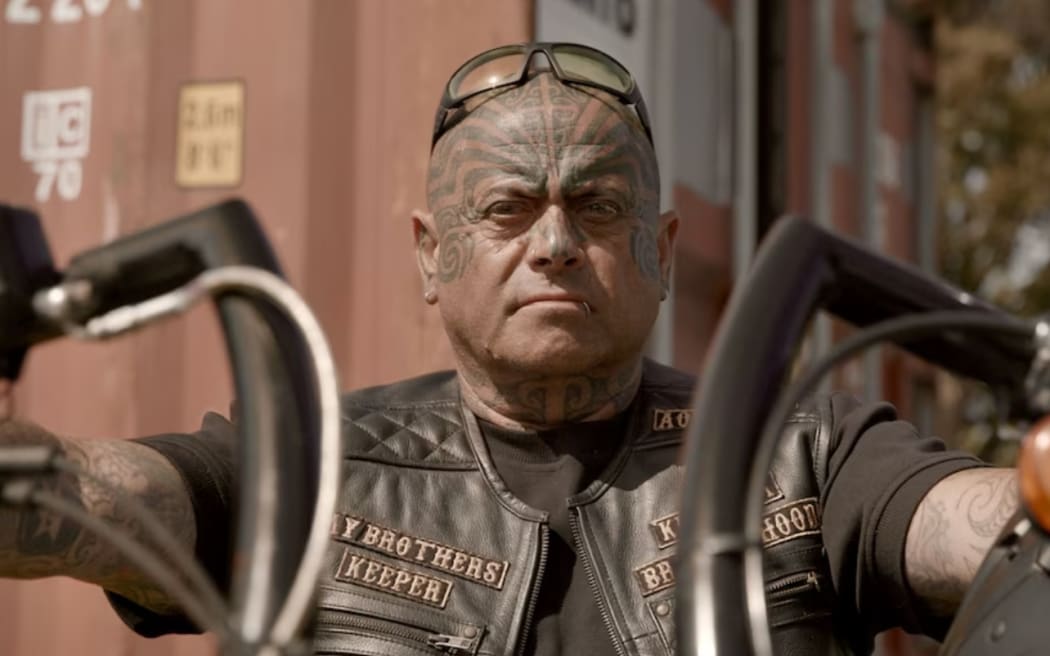
Lucky Te Koha, a former gang member turned Christian pastor, works with rival gang chapters around New Zealand.
Photo: ABC: Riki Reinfeld
WARNING: This story contains content that may be triggering for some readers.
In Aotearoa New Zealand, gang patches and other insignia are now banned in public. But in gang communities, identity is not so easy to erase.
In Hawke’s Bay, Mongrel Mob members have inked it into their skin.
For more than 50 years, the gang has operated several chapters across the region, including in Hastings, which some members refer to as the “Fatherland”.
The Mongrel Mob is just one of 38 gangs in New Zealand, where membership has grown to historic highs. As of February, there are now more gang members than police officers in the country.
The nation’s leaders have promised to come down hard on outlaw motorcycle clubs and homegrown street gangs, pointing out their over-representation in crime statistics.
“To the gangs, I say this, you are no longer above the law,” Prime Minister Christopher Luxon said after the patch ban came into force.
The government’s law-and-order approach has resulted in new police powers being introduced to break up some gang gatherings. Non-consorting laws have been strengthened and prisons expanded.
From gangs to God
Former gangster turned Christian pastor Lucky Te Koha believes the crackdown does not address the root causes of gang life.
New Zealand’s gang world is not easily reduced to organised crime groups or motorcycle clubs. In some communities, gangs like the Mongrel Mob and Black Power are intergenerational, with whole families connected to them.
Many members describe their chapters as whānau or extended family, a source of belonging and protection. But gangs are also linked to serious violence, drug offending and community harm.
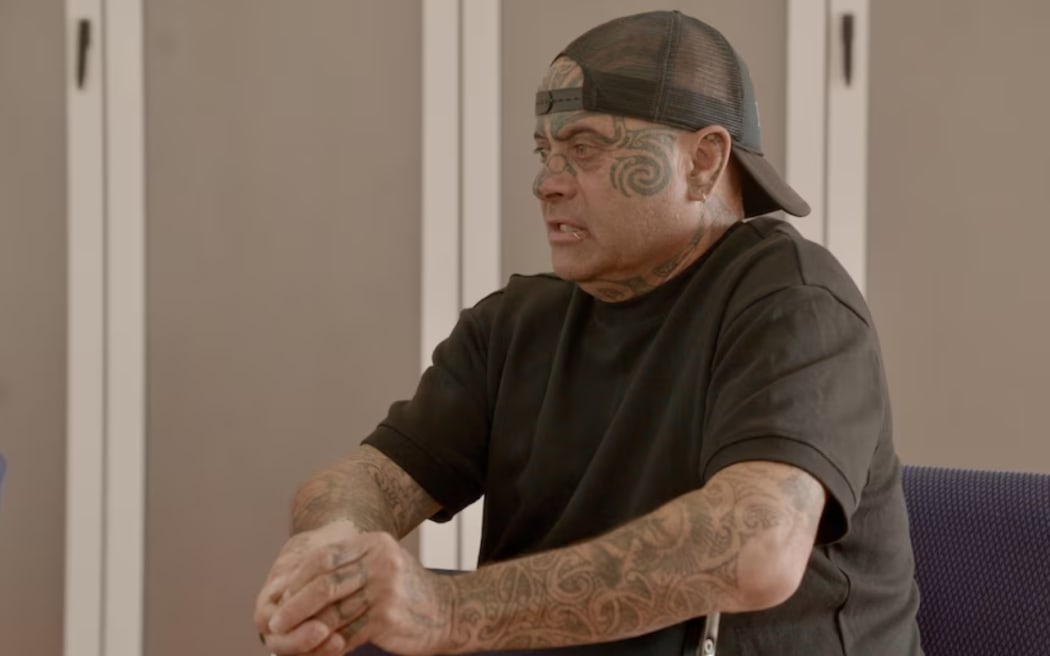
Lucky runs bi-monthly sessions for gang members.
Photo: ABC: Marty Smiley
It is a complexity successive New Zealand governments have struggled to resolve.
That is the world Lucky believes he was called by God to work inside.
He describes the men he works with as part of a high-risk, hard-to-reach community: largely Māori, often from lower socio-economic communities, and carrying deep mistrust of police, government agencies and mainstream services.
Lucky is far from a typical preacher. He swears from the pulpit, rides a motorbike and is welcomed into rooms most church leaders would never enter.
“In our world, we call it QBE, qualified by experience,” he said.
He joined his first street gang in his teens and moved through other groups in his adult years.
That experience shapes the way he works with gang members now. Lucky knows how hard it is to leave behind a life built around gang membership.
“I don’t go in there and tell them they have to leave the gang,” he said.
Instead, he tries to influence what happens around the gang: in homes, relationships and the lives of children growing up inside that world.
‘We come from a world of silence’
In Hawke’s Bay, Lucky works with a Mongrel Mob chapter every two months in a local church. He runs check-in sessions with the men, and then relationship sessions with their partners.
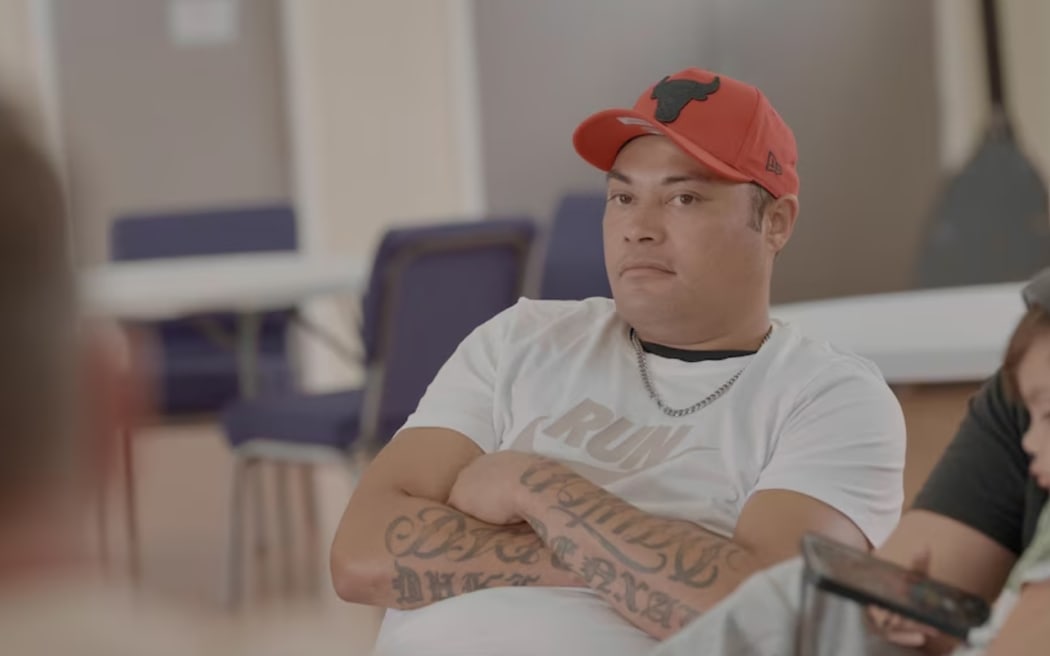
Tux joins Lucky’s sessions in Hawke’s Bay, where he and other men are given space to talk.
Photo: ABC: Marty Smiley
The topics in the circle range from addiction and shame to parenting, relationships, money stress and the pressure of trying to keep it together.
Lucky wants the men he works with to share the things they have been taught to keep hidden.
“We come from a world of silence,” Lucky said.
“Once we share it, it comes out of our puku, out of our stomach, out of the dark and it gets put into the light.
“Then shame lifts, but it costs you vulnerability.”
That focus is not incidental. Lucky believes it is the first step in unwinding the intergenerational trauma many of the men he works with carry.
Professor Tracey McIntosh, from the University of Auckland’s Te Wānanga o Waipapa, School of Māori Studies and Pacific Studies, believes there’s a strong link between New Zealand’s gang history and the country’s treatment of Māori youth in state care.
“It’s impossible to look in the New Zealand situation at the formation of gangs without recognising the really significant state engagement,” she said.
In boys’ homes and group homes, McIntosh sees practices that later appeared in gang life.
“Many of the practices within the boys’ homes, particularly the group homes, were prototypes for gang behaviour,” she said, describing “the cruelty, coercion, complicity, collusion and compliance” as features of institutional life some boys carried with them.
Abuse in care
For Lucky, that history was personal.
As a young person, he spent time in foster care and later at Cherry Farm, a psychiatric institution near Dunedin, where he says he was sexually abused.
He was one of thousands of New Zealanders who shared their experiences with the Royal Commission of Inquiry into Abuse in Care.
The commission examined institutions across the country, including boys’ homes and psychiatric hospitals.
In 2023, a rare gang hui was held, with the royal commission invited to attend. Members from different gangs, chapters and patch colours came together to speak about abuse, trauma and the state care system.
Some of the men who take part in Lucky’s programs were also involved.
For Lucky, the process helped transform private shame into something men could speak about together.
“It was always made to be our shame. My shame,” he said.
“The hui showed that it’s OK to be bold and have some courage to share what’s going on.”
The experiences shared at the gathering were among those that informed the inquiry’s final report, released in 2024, which estimated that up to 256,000 people were abused or neglected in state and faith-based care between 1950 and 2019.
In November 2024, the New Zealand government made a formal apology to survivors, acknowledging the harm done to generations of vulnerable people.
Lucky now works with others who spent time in state and faith-based care and later joined gangs, as well as the children of survivors carrying intergenerational trauma.
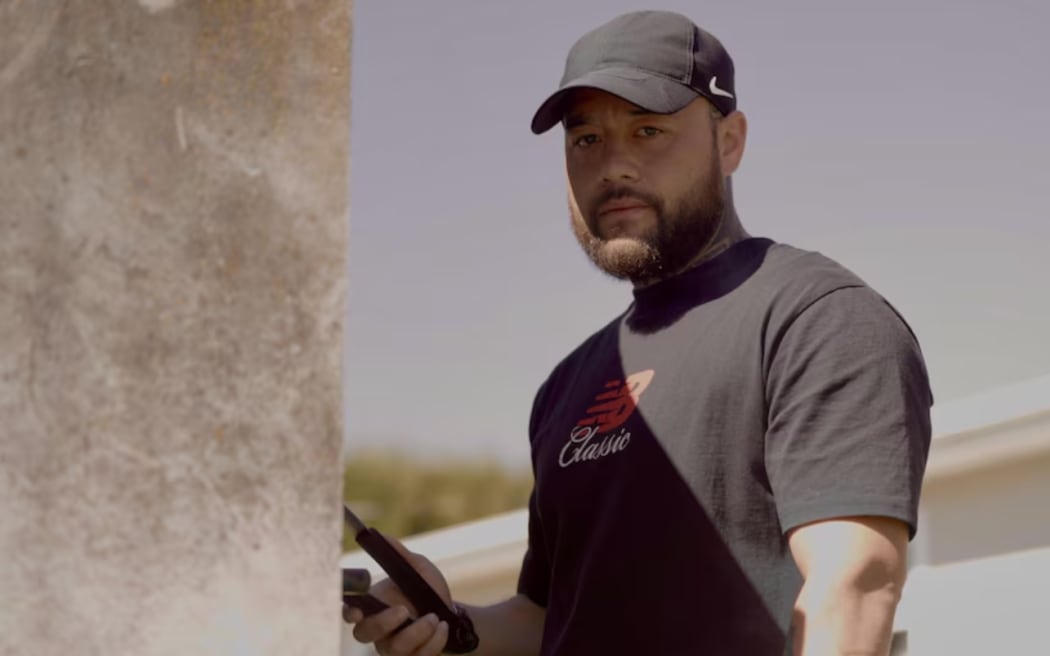
Judas, a member of Lucky’s church program, now works as a facilitator in a youth program.
Photo: ABC: Marty Smiley
Judas, one of the men in Lucky’s Hawke’s Bay program, sees that history in his own family.
“I’m the product of that generation,” he said.
His mother was in state care. His father was in the Mongrel Mob.
“My mum went through a lot in state care. She’s lost and unhealed,” Judas says. “My father was in and out of prison for most of my life.”
Judas said he wanted to break the cycle of violence, addiction and incarceration in his family.
Becoming a father forced him to think about the kind of home he wanted his children to grow up in, away from the instability, drugs and absence that shaped his own childhood.
He struggled with addiction in the past, but says he got off methamphetamine in 2019 and hasn’t looked back.
“My life was shit, it was just broken. I was on meth and all the things,” he says. “But I’ve come a very long way since then. I’ve changed many things in my life, many old habits, old patterns.”
He says Lucky’s program has helped him stay accountable and gain clarity on life’s challenges.
“I do regret some of the decisions that I’ve made, as I haven’t known any better in some areas. But I’m just a big believer of learning from my mistakes and trying not to repeat them,” he says.
Judas now works as a facilitator in a youth program in his neighbourhood, helping Māori teenagers connect with their culture.
A different kind of rehabilitation
Down the road from Lucky’s workshops, cranes are lifting pylons into a fortified jail.
Hawke’s Bay Regional Prison is expanding. It was built to hold more than 700 inmates. Soon, there will be room for hundreds more, with the government adding 316 beds.
Almost 200 Mongrel Mob members are serving time there for a range of serious offences.
Lucky wants to stop more men from joining them inside.
“You’ve got to pay the price for what your action’s done,” he said.
“But what led you there? What’s going to stop you from going back there?”
Where to get help:
Need to Talk? Free call or text 1737 any time to speak to a trained counsellor, for any reason.
Lifeline: 0800 543 354 or text HELP to 4357.
Suicide Crisis Helpline: 0508 828 865 / 0508 TAUTOKO. This is a service for people who may be thinking about suicide, or those who are concerned about family or friends.
Depression Helpline: 0800 111 757 or text 4202.
Samaritans: 0800 726 666.
Youthline: 0800 376 633 or text 234 or email talk@youthline.co.nz.
What’s Up: 0800 WHATSUP / 0800 9428 787. This is free counselling for 5 to 19-year-olds.
Asian Family Services: 0800 862 342 or text 832. Languages spoken: Mandarin, Cantonese, Korean, Vietnamese, Thai, Japanese, Hindi, Gujarati, Marathi, and English.
Rural Support Trust Helpline: 0800 787 254.
Healthline: 0800 611 116.
Rainbow Youth: (09) 376 4155.
OUTLine: 0800 688 5463.
If it is an emergency and you feel like you or someone else is at risk, call 111.
Sexual Violence
Family Violence
-ABC