

Listen to this article
Estimated 3 minutes
The audio version of this article is generated by AI-based technology. Mispronunciations can occur. We are working with our partners to continually review and improve the results.
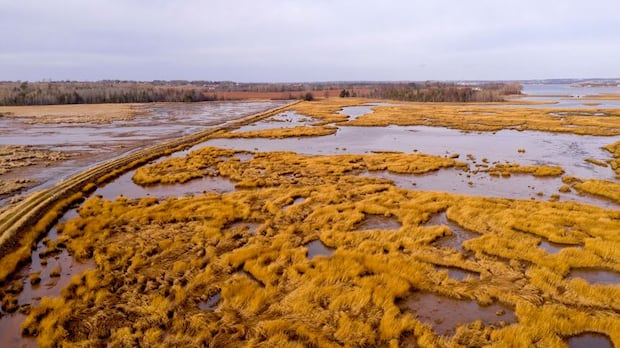
For the first time in three years, a survey is underway to monitor bird species living in Prince Edward Island’s marshes.
Staff and volunteers from Birds Canada are resuming the Maritimes Marsh Monitoring Program this June, aiming to gather data on wetland bird populations and habitat health.
“We’re basically just trying to get as much information as we can about what bird species are living in our wetlands, as well as how the habitats are doing [and] changing over the years,” said Jenna McDermott, an Atlantic programs biologist with Birds Canada.
 Jenna McDermott, Atlantic programs biologist with Birds Canada, joined CBC’s Island Morning in the studio to talk about the marsh monitoring program being conducted in P.E.I. this June. (Island Morning/CBC)
P.E.I. is home to more than 360 bird species. Many rely on the province’s wetlands during spring and summer migrations.
“Birds can’t speak for themselves, of course, so we have to look out for them,” McDermott told CBC’s Island Morning. She noted that the data helps guide broader conservation assessments and management choices across Canada.
“We can change management decisions, where conservation dollars are going depending on if species are declining or if a habitat is struggling,” she said.
The program had been paused since 2023 due to staff and volunteer shortages. Because marsh birds are known to be secretive, tracking them requires specialized identification skills.
“If we’re not looking specifically for them in surveys like this, then you can miss them in general surveys or when people are out watching and collecting data,” McDermott said.
New funding from the P.E.I. Wildlife Conservation Fund has allowed the program to return. Between June 1 and July 15, volunteers will monitor designated marshland routes.
Observers will survey routes on two mornings spaced two weeks apart.
Volunteers must be able to identify 12 primary marsh bird species by sight and sound, including soras, American bitterns and pied-billed grebes.
While Birds Canada’s State of Canada’s Birds report indicates that national wetland bird populations have increased by 21 per cent since 1970, species remain threatened by habitat destruction and degradation.
WATCH | Love nature? Have a meander through this P.E.I. salt marsh: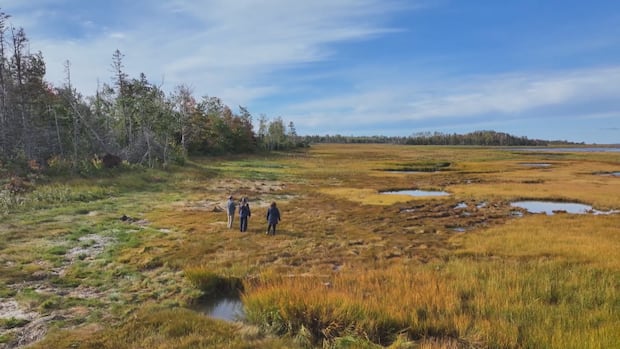
Love nature? Have a meander through this P.E.I. salt marsh
Salt marshes are extremely beneficial to P.E.I.’s ecosystem, says Simon Andrea with Island Nature Trust. This specific marsh just east of Stratford is open for nature lovers to walk through at their own risk.
According to the province’s wetland conservation policy, 5.6 per cent of P.E.I.’s land base is wetland. The province is finalizing a wetland policy review to clarify definitions for landowners.
Environment Minister Darlene Compton told reporters in the legislature in April that the review aims to provide clarity, noting instances where people purchased lots unaware the land was a protected wetland.
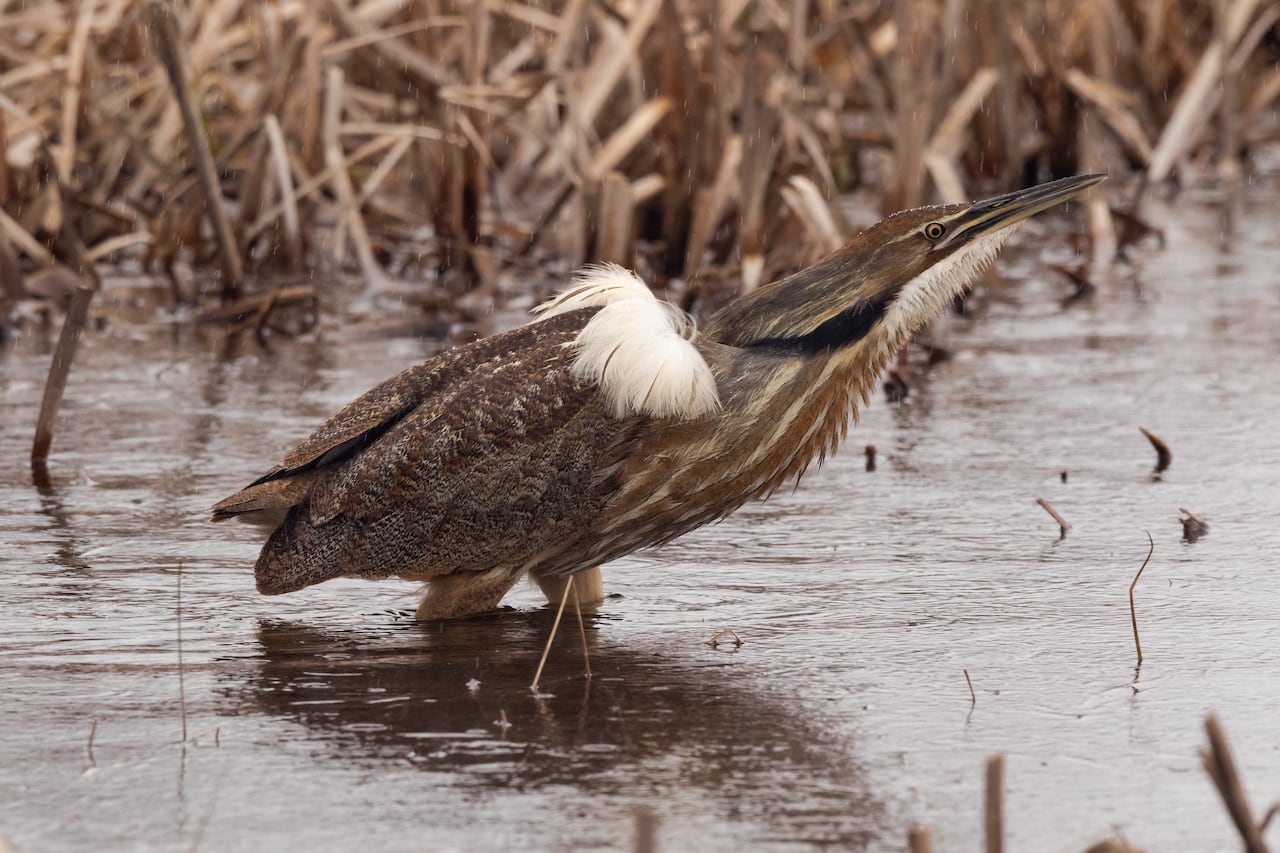 An American Bittern, one of the primary marsh birds that volunteers should feel comfortable identifying in the survey, spotted in Grand Falls-Windsor, N.L. (Submitted by Jonathan Gaye)
For McDermott, the return of the survey is important research and a chance to appreciate the Island’s environment.
“It’s just so nice to be able to get out in nature all the time,” she said. “To experience the Island that we’re living on and just be a part of these birds’ lives that are just going about their business when they come back from migration.”