
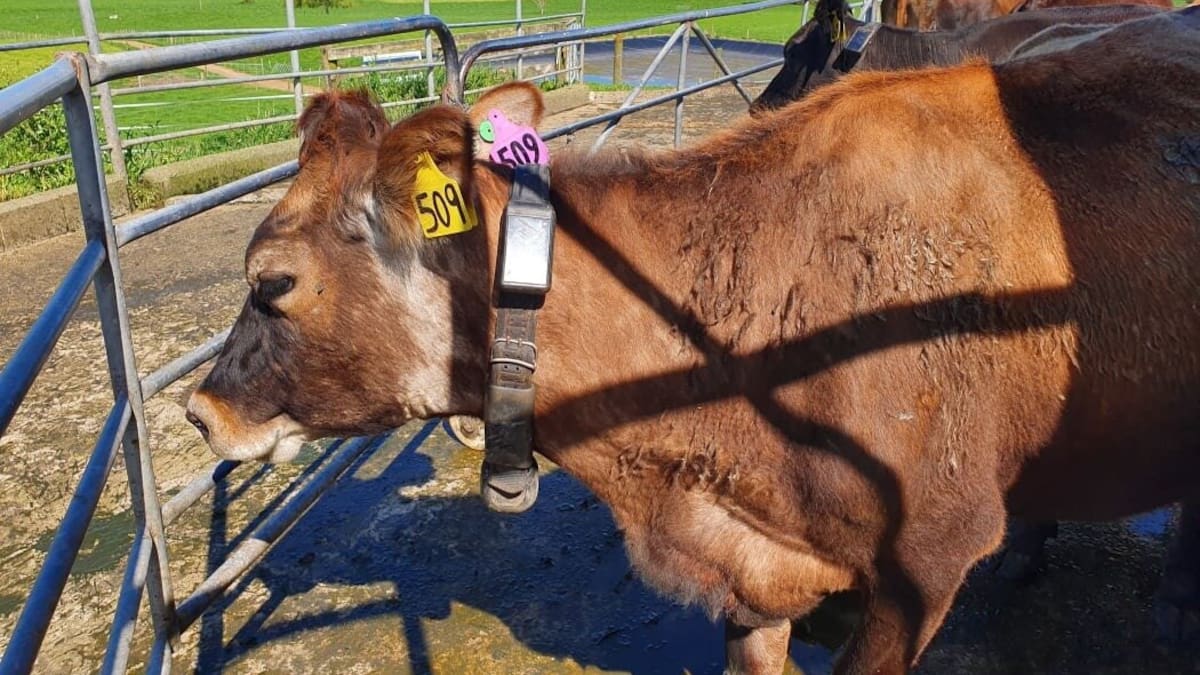
The organisation’s key recommendation was the creation of a Virtual Fencing Manufacturers’ Association (VFMA), which would develop industry-wide standards and best-practice guidelines for existing companies and new entrants to the market.
VAWA also released a companion document, Critical Safeguarding Standards for the VFMA, as a proposed starting point for discussions among manufacturers.
The code recommended greater transparency from companies developing virtual fencing products, including public reporting on how often electrical stimuli were used and the technical details of how those signals were delivered.
VAWA said such measures were needed to build public confidence and ensure animal welfare considerations remained central as the technology evolved.
The organisation consulted with the SPCA, farmers, animal welfare scientists, manufacturers and other experts while developing the code.
VAWA said some manufacturers engaged constructively with the process, while others rejected the initiative, highlighting what the organisation said is the need for independent standards.
Animal welfare and farm management consultant Mandi McLeod, who co-authored the code, said virtual fencing had the potential to deliver benefits for farmers and animals if implemented carefully.
“Done well, virtual fencing presents opportunities and benefits, including enabling a deeper understanding of cattle behaviour,” McLeod said.
However, she said more research was needed into how the technology may affect herd dynamics, social behaviour and long-term animal welfare outcomes.
VAWA said the framework was intended as an interim measure until more formal regulatory oversight was established.
– RNZ