
Video glitches and AI artifacts prove decisive
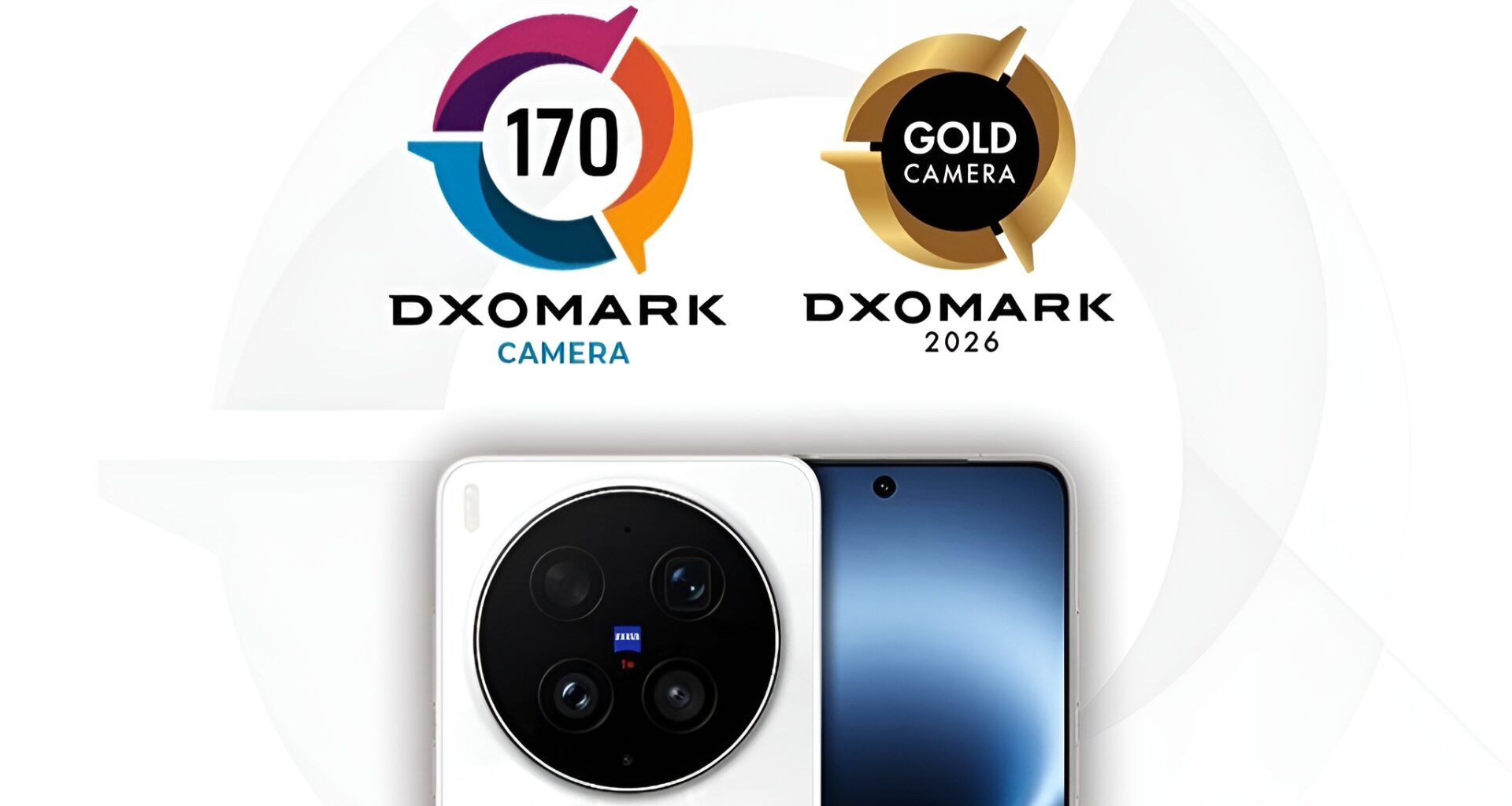
By just a single point, the Vivo X300 Pro’s lead isn’t huge, but one could be forgiven for expecting a clear victory for the Ultra model. Looking at the point distribution between the two Vivo contenders, one outlier stands out in particular. While the X300 Ultra scores more or at least as many points as the Pro model in virtually all categories, the Vivo X300 Ultra falls short by a full 10 points in the main camera’s video rating, which apparently tipped the scales in favor of the overall score.
In terms of usage scenarios, the Vivo X300 Pro still maintains its top position in low-light performance, ahead of the Vivo X300 Ultra. The rather negative assessment of video performance by DxoMark is likely to hurt Vivo, as the Vivo X300 Ultra was specifically developed and marketed for this area. After all, the Zeiss Ultra flagship still achieves top scores in ultra-wide-angle, telephoto, bokeh and zoom.
In the test comments, the camera testers mention inconsistent performance in challenging situations, particularly during video recording and in low light. In darkness, the testers also apparently struggled with increased noise, artifacts and unnatural AI textures. In general, the testers note that the somewhat excessive overprocessing can result in unnatural photos. Nevertheless, the Vivo X300 Ultra currently dominates our list of the top camera phones, followed closely by the Vivo X300 Pro and the Oppo Find X9 Ultra in third place.