
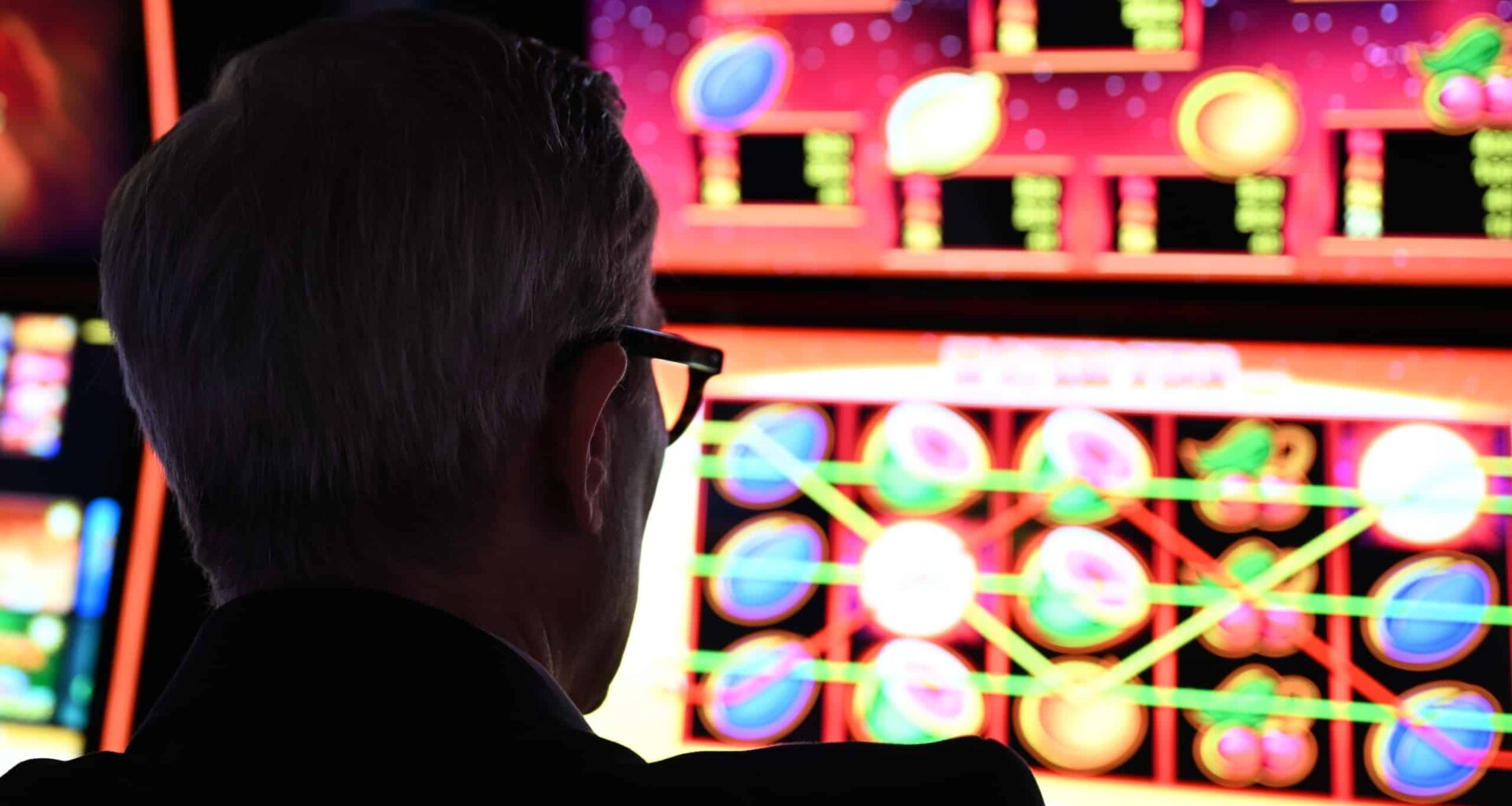
 Gambling influencers are under the spotlight. (Photo by Wolf von Dewitz/picture alliance via Getty Images)
It’s not only a huge band of followers who are watching the exploits of gambling influencers.
The rise of wagering-focused social media content has also caught the attention of gambling regulators concerned about how betting is being portrayed online.
From Racing Blogger founder Stephen Power to high-profile punter Benny Scarf, social media personalities have amassed huge followings by taking audiences inside the world of wagering, racing and betting culture.
The formula is simple: winning tickets, big collects, race-day excitement and the promise that anyone can come along for the ride.
In Power’s case, that’s more than 230,000 followers on X, while Scarf has attracted about the same number on Instagram.
Scarf’s social media timeline is populated with video examples, such as the one below, of the influencer placing bets with a TAB operator in an unidentified licensed venue.
But as gambling content continues to flood social media feeds, regulators are becoming increasingly concerned about the impact such posts may have on younger audiences.
Victoria’s gambling watchdog has now put influencers on notice, warning that some wagering-related content may not only contribute to gambling harm but could also expose creators to legal consequences.
Social media influencers who post gambling content could face fines of more than $24,000 as the Victorian Gambling and Casino Control Commission (VGCCC) steps up scrutiny of online promotions that it says may breach state gambling laws.
The VGCCC has launched a targeted campaign aimed at educating influencers about gambling-related harm and warning them about the legal consequences of promoting poker machines through social media platforms.
The move comes amid growing concern about the role influencers play in normalising gambling among younger audiences through videos and posts that portray gambling as entertaining, glamorous or financially rewarding.
VGCCC chief executive Suzy Neilan said some social media content was presenting a distorted picture of gambling by focusing on wins while ignoring the risks associated with gambling products.
“When influencers fan out wads of cash and celebrate winning thousands of dollars, they’re not only sharing content, but they’re also shaping perceptions and attitudes towards gambling and downplaying the very real risk of harm that comes with it,” Neilan said.
The regulator said gambling services can expose users to making poor decisions that are often absent from gambling-related social media content.
“Gambling products, particularly poker machines and sports betting apps, can carry high risks of harm to people who gamble, and we’re not seeing that reality represented on social media,” Neilan said.
Under Victoria’s Gambling Regulation Act 2003, advertising and promotion of poker machines is prohibited, including content that may constitute gambling advertising through social media channels.
The VGCCC said posts featuring poker machine gameplay, venue visits or footage highlighting gambling wins could potentially breach the legislation.
As a result, the regulator is monitoring gambling-related social media activity and assessing enforcement options where it believes laws may have been broken.
The campaign reflects growing concern among regulators about the influence social media personalities have on younger Australians, particularly those aged 18 to 24.
Neilan said many influencers were viewed as aspirational figures by their followers, giving them significant power to shape attitudes towards gambling.
“We are aware of influencers and other social media accounts posting content portraying gambling as harmless fun, a lifestyle, or a source of easy money,” she said.
The regulator believes such content can encourage young people to view gambling as a normal recreational activity without understanding the potential consequences.
“Through these posts, young people are led to believe gambling doesn’t carry risk and pick up gambling without understanding the potential for harm,” Neilan said.
The warning comes as gambling losses in Victoria continue to attract scrutiny.
According to the VGCCC, Victorians lost $3.14 billion on gambling products during the last financial year, a figure the regulator noted is rarely referenced in gambling-related social media content.
Research cited by the commission found that gambling content on social media contributes to the normalisation of gambling among young people and can reduce perceptions of risk.
The studies also found influencers can blur the distinction between advertising and entertainment, creating greater trust in gambling products and increasing the likelihood of riskier gambling behaviours.
The regulator said these effects become more pronounced when young people begin visiting gambling venues or using wagering applications after being exposed to gambling content online.
Individuals found to have committed offences under Victoria’s gambling laws could face penalties of up to $24,421.
The VGCCC has also urged licensed gambling venues to take a stronger stance on filming within gaming areas to prevent the creation of gambling-related social media content.
Advertising poker machines outside designated gaming areas is prohibited under Victorian law, and the regulator believes venue operators have a role to play in limiting content creation.
“People should not be filming content inside venues, and some venues have already imposed a ‘no filming’ condition in their gaming rooms,” Neilan said.
“It is our expectation that other venue operators follow suit.”
The VGCCC’s announcement putting creators on notice marks one of the clearest signals yet that authorities are preparing to take a harder look at the booming business of gambling influence online.