
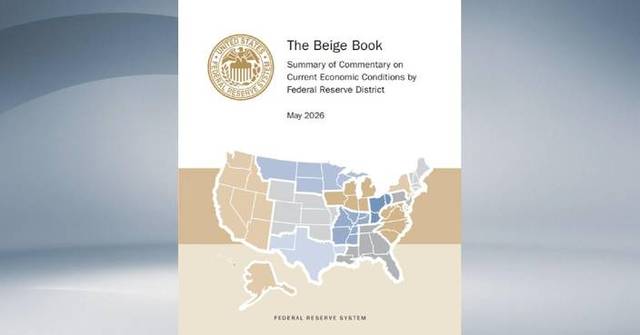
The conflict in the Middle East is the principal source of inflationary pressures in the United States, largely through its impact on energy-related costs, the U.S. Federal Reserve said in its latest Beige Book released on Wednesday.
The beige book showed that economic activity increased at a slight to moderate pace for ten of the twelve Federal Reserve Districts, while one district reported a slight decline and one reported no change.
Consumer spending remained mixed across districts and increasingly bifurcated across income groups amid persistent affordability pressures, according to the beige book.
Higher-income households proved resilient and relatively insensitive to price increases, while middle- and low-income households exhibited growing financial strain, it said.
The report showed that prices rose at a moderate to strong pace overall, with most districts reporting elevated inflation relative to the prior reporting period, and the districts attributed the inflationary pressures primarily to energy-related costs linked to the conflict in the Middle East, with spillovers extending into shipping, packaging, groceries, and fertilizer.
Meanwhile, non-labor input costs continued to outpace selling price increases, fueling broader concerns about margin compression, according to the the report.
In terms of employment, the beige book reported that most districts described a low-hire, low-fire environment.
The Beige Book, officially known as the Summary of Commentary on Current Economic Conditions by the Federal Reserve District, is a survey on economic conditions based on information collected from its 12 regional reserve banks. It is published eight times per year.
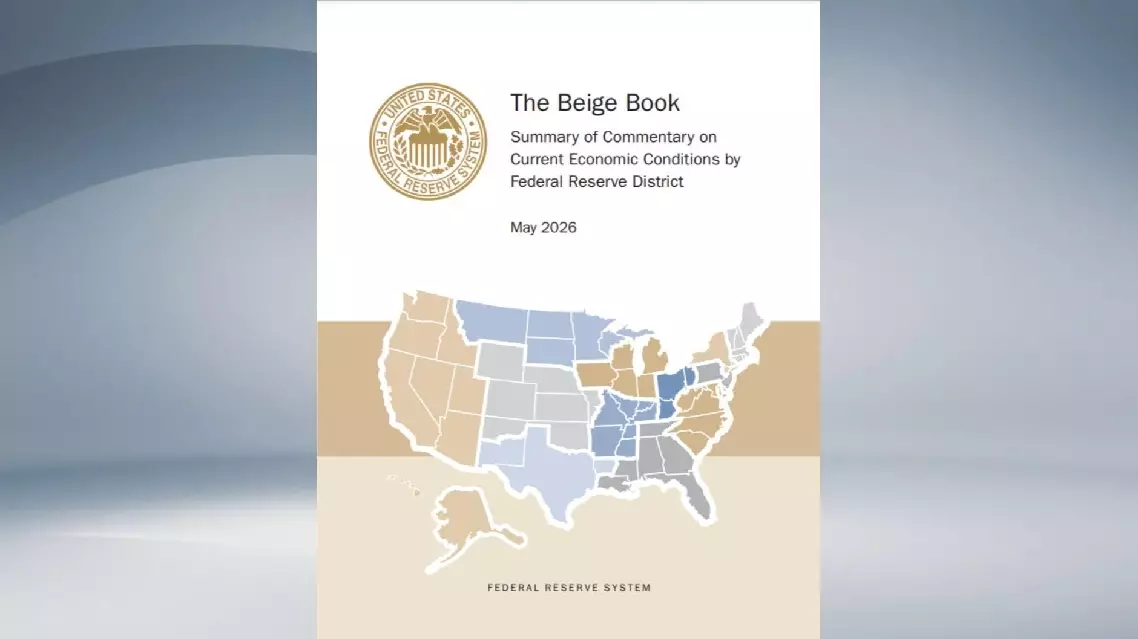
Latest Fed Beige Book shows evidence of rising inflation pressure, widening consumption gap in US
China’s new regulation on outbound investment, set to take effect on July 1, will provide effective legal protection to companies going aboard, said a spokeswoman for the Ministry of Commerce on Thursday.
The regulation, recently unveiled by the State Council, demands improving the comprehensive overseas service system and refining institutional measures to provide strong legal protection for companies participating in international cooperation and competition, according to He Yongqian, the spokeswoman, at a press briefing in Beijing.
She said the regulation also stresses improving the overseas investment management system and reinforcing the primary responsibility of investors.
“(The regulation) strengthens monitoring, early warning, and risk assessment, and guides and assists investors in preventing security risks. It establishes an investment barrier investigation system, among other measures, to effectively safeguard the security and legitimate rights and interests of investors and their overseas investments,” He said.
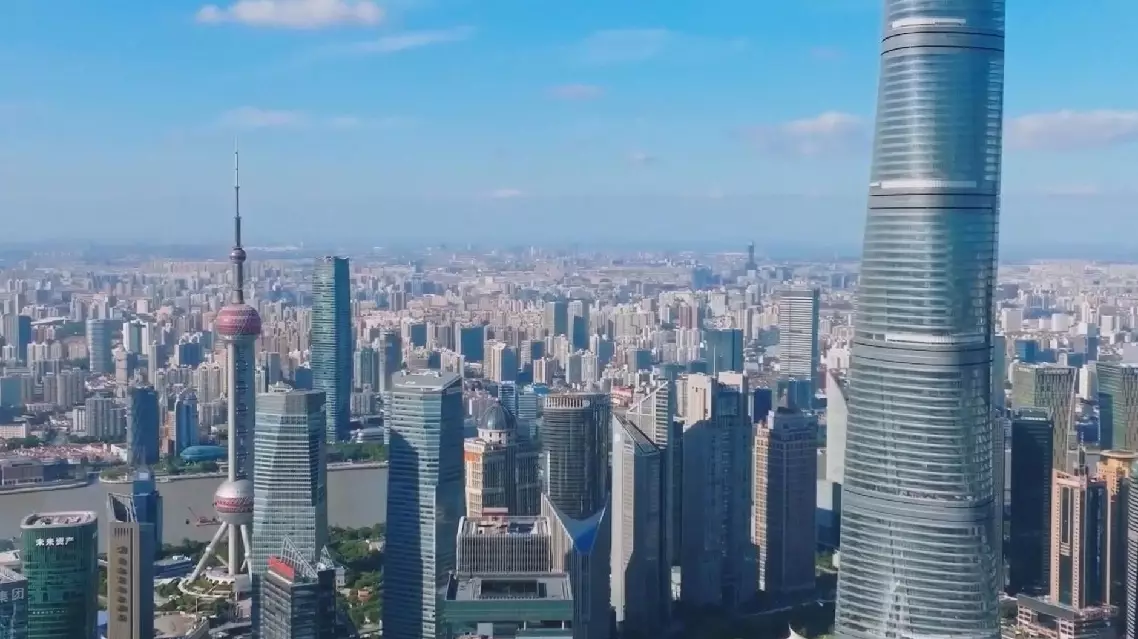
New regulation to strengthen legal protection for Chinese companies going overseas