
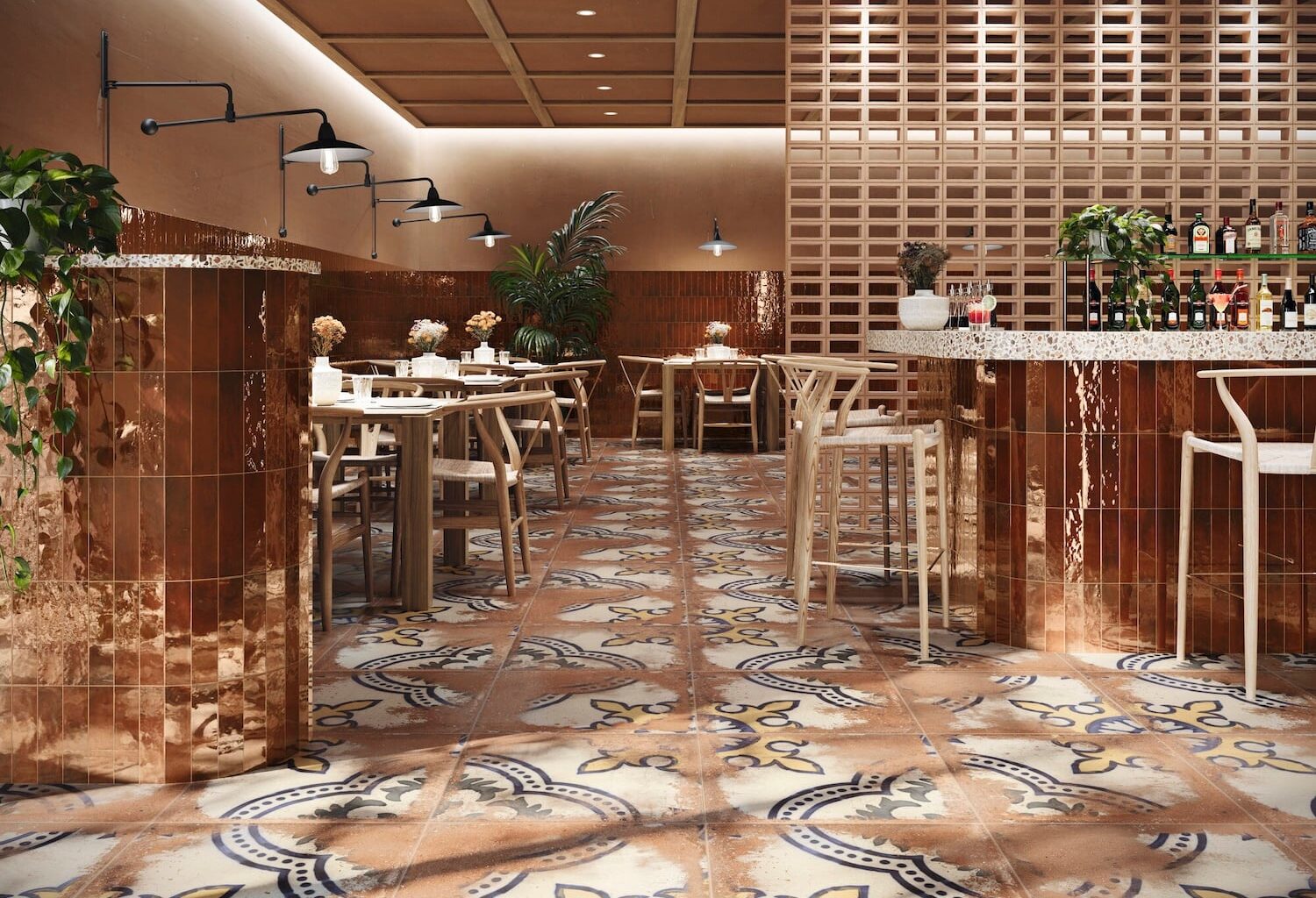
In contemporary architecture, the idea of foundational surfaces is being redefined. Where painted drywall once served as the default backdrop, a growing number of architects are turning to ceramic tiles and slabs, as a more durable, nuanced, and materially expressive alternative. Increasingly, tile is no longer treated as a decorative accent or wet-area solution, but as a primary surface material: a reserved, continuous skin that shapes both interior and exterior environments.
This shift is rooted in performance as much as aesthetics. Painted surfaces, while flexible and cost-effective, often require ongoing maintenance and lack resilience in high-traffic or moisture-prone areas. Ceramic tile, by contrast, offers exceptional durability, resistance to wear and long-term color stability. For architects designing spaces that must endure, whether residential kitchens, multifamily corridors, or public-facing interiors, tile provides a reliable benchmark that minimizes upkeep without sacrificing visual intent.
 BESTILE, Iconic (Courtesy Tile of Spain)
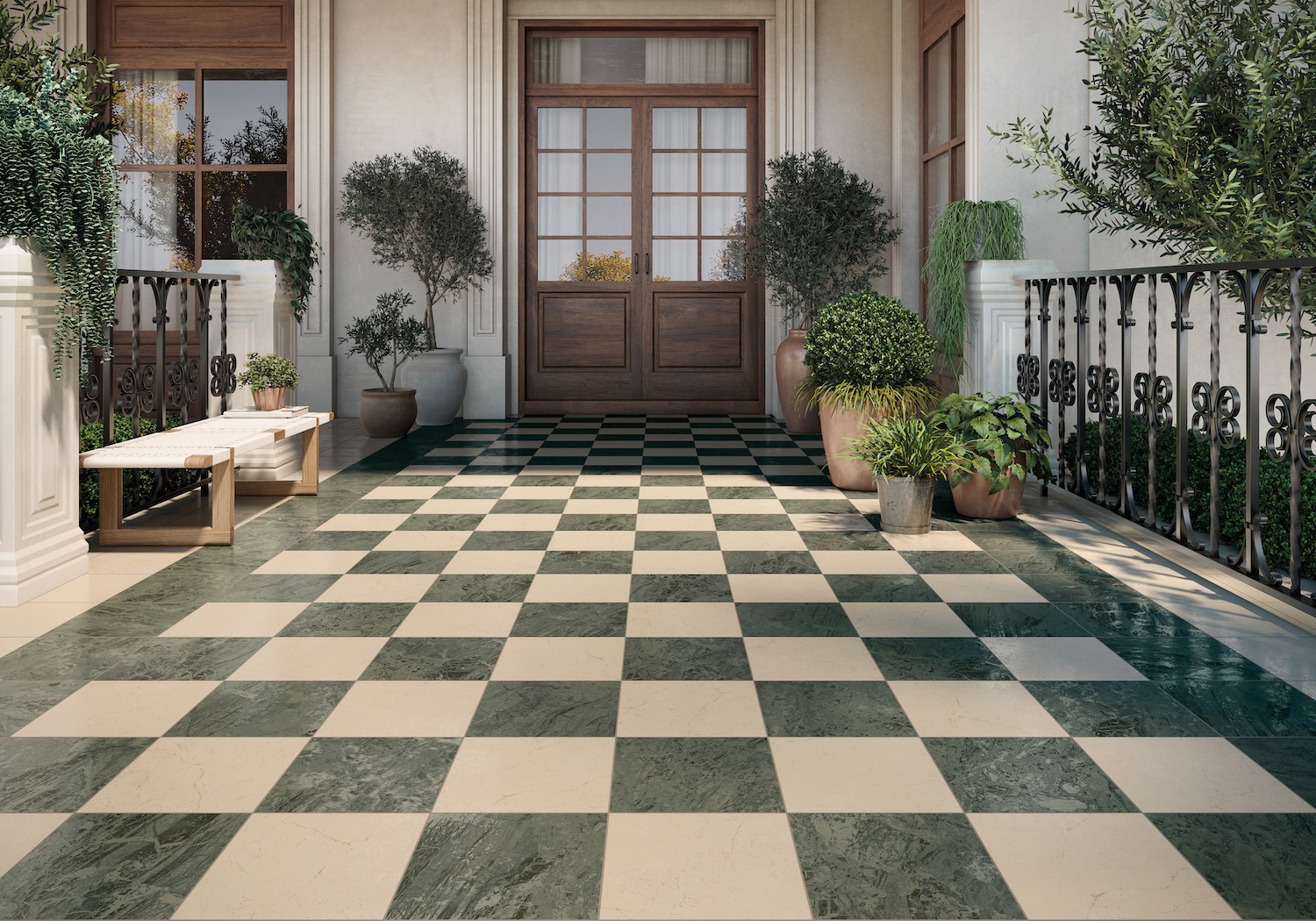
At the same time, advancements from Spanish ceramic manufacturers have expanded what foundational means. Through innovations in digital printing, glazing and surface finishing, Spanish brands now deliver a broad spectrum of tonal variation and material depth. Subtle shifts in hue, value and texture allow architects to specify surfaces that feel layered and tactile, even when working within restrained palettes of whites, beiges, and soft earth tones.
 VIVES, Surf (Courtesy Tile of Spain)
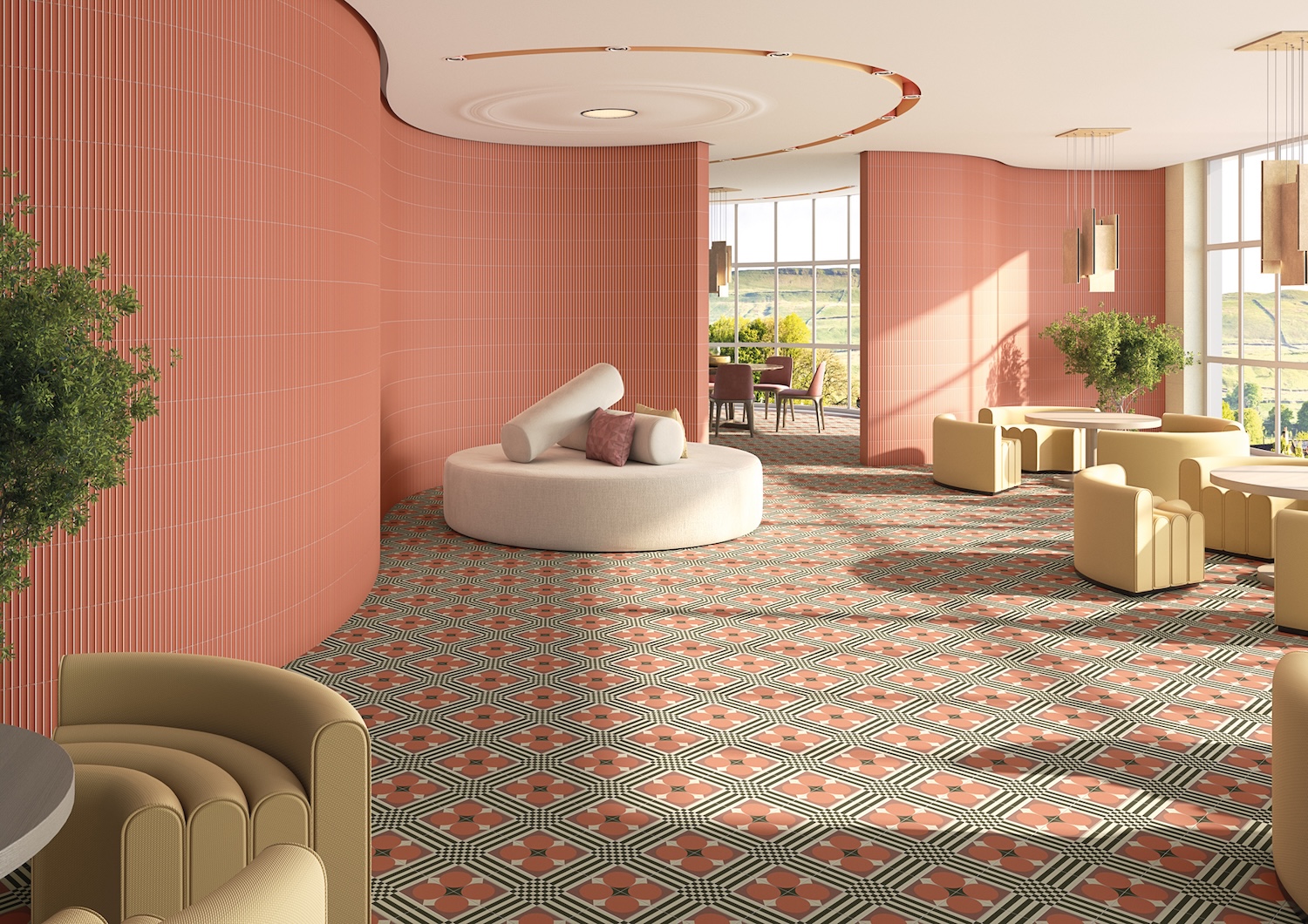
This tonal richness is especially important in minimalist and contemporary projects, where material expression carries more visual weight. Rather than relying on stark, flat walls or floors, architects can introduce demure complexity through ceramic surfaces that react to light and movement. Matte finishes diffuse glare and soften interiors, while gently textured tiles create shadow play across walls and floors, adding a dynamic experience without introducing added visual noise.
 MUSEUM, Royal (Courtesy Tile of Spain)
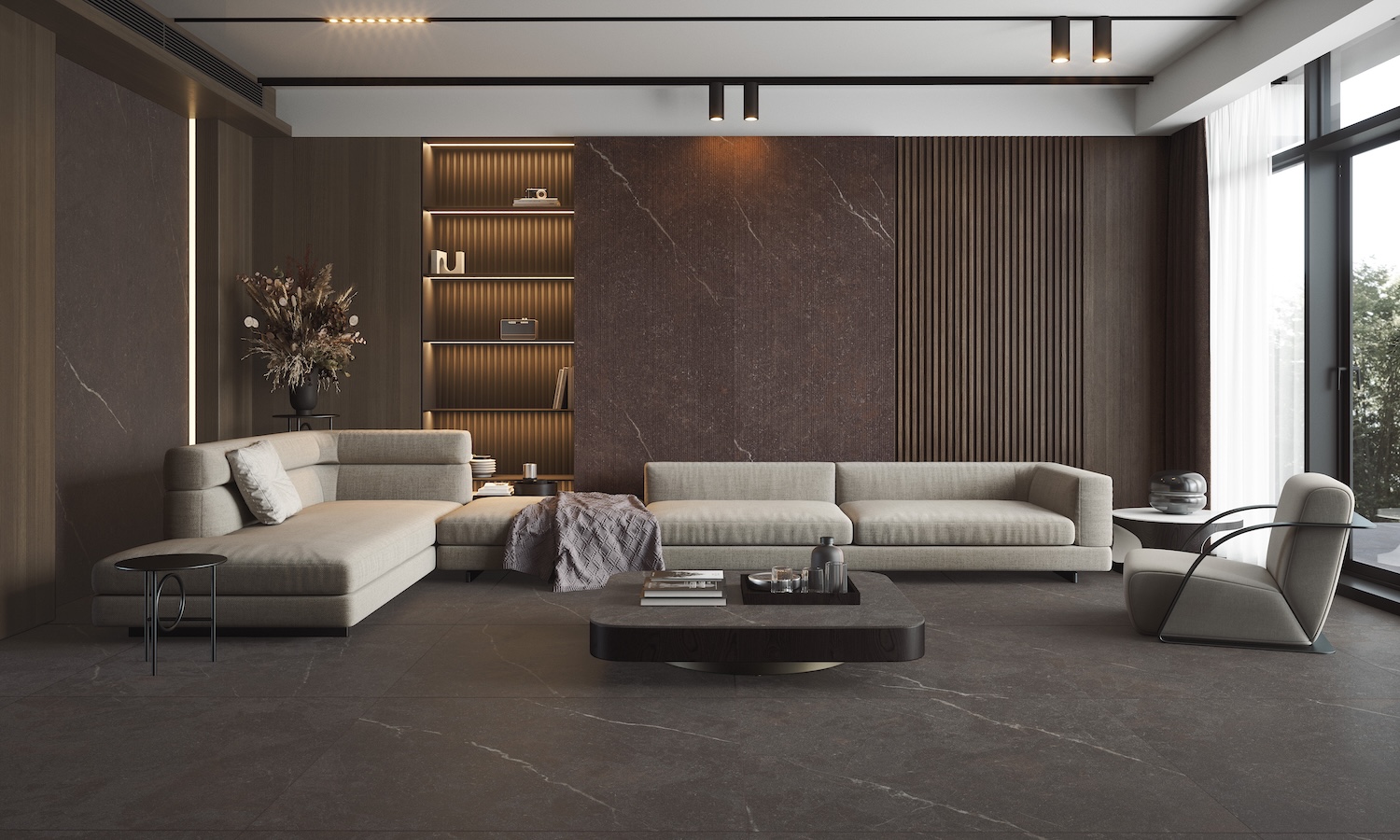
Another factor driving ceramic tile’s emergence as a foundational material is its ability to unify spaces. With consistent sizing, rectified edges and multi-format options, ceramics can extend seamlessly across floors, walls and even exterior facades. This continuity supports a more holistic architectural language, blurring traditional boundaries between surfaces and reinforcing spatial cohesion. In open-plan homes or indoor-outdoor environments, tile enables a consistent material expression that enhances flow and clarity.
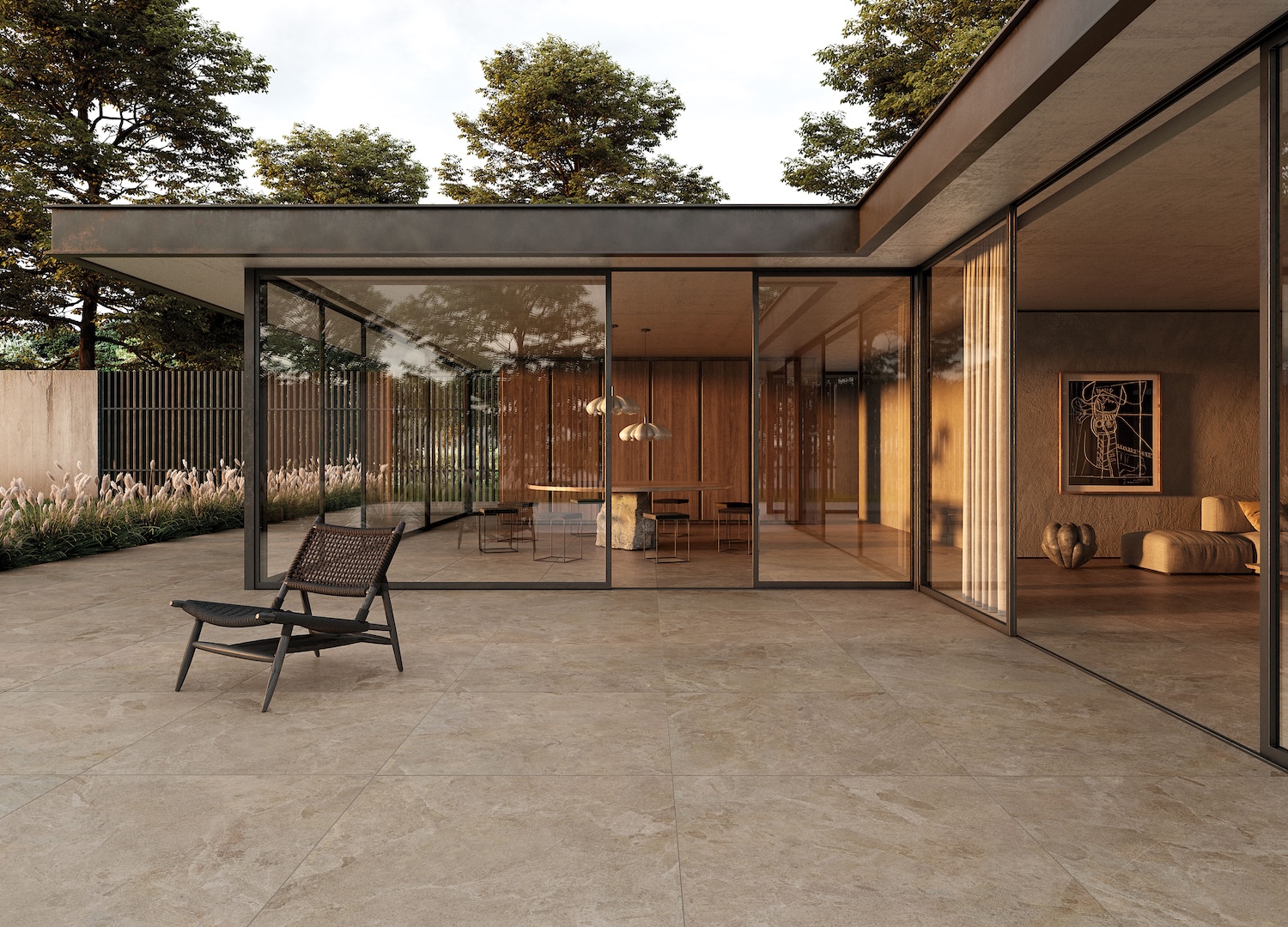 PERONDA, Haven (Courtesy Tile of Spain)
The application of tile beyond interiors is equally significant. As architects look for durable, climate-responsive materials, ceramics have become a compelling option for exterior cladding systems, especially ventilated facades. Here, tile functions not just as finish, but as part of a high-performance envelope, expanding on a building’s thermal efficiency, moisture management, and carbon footprint.
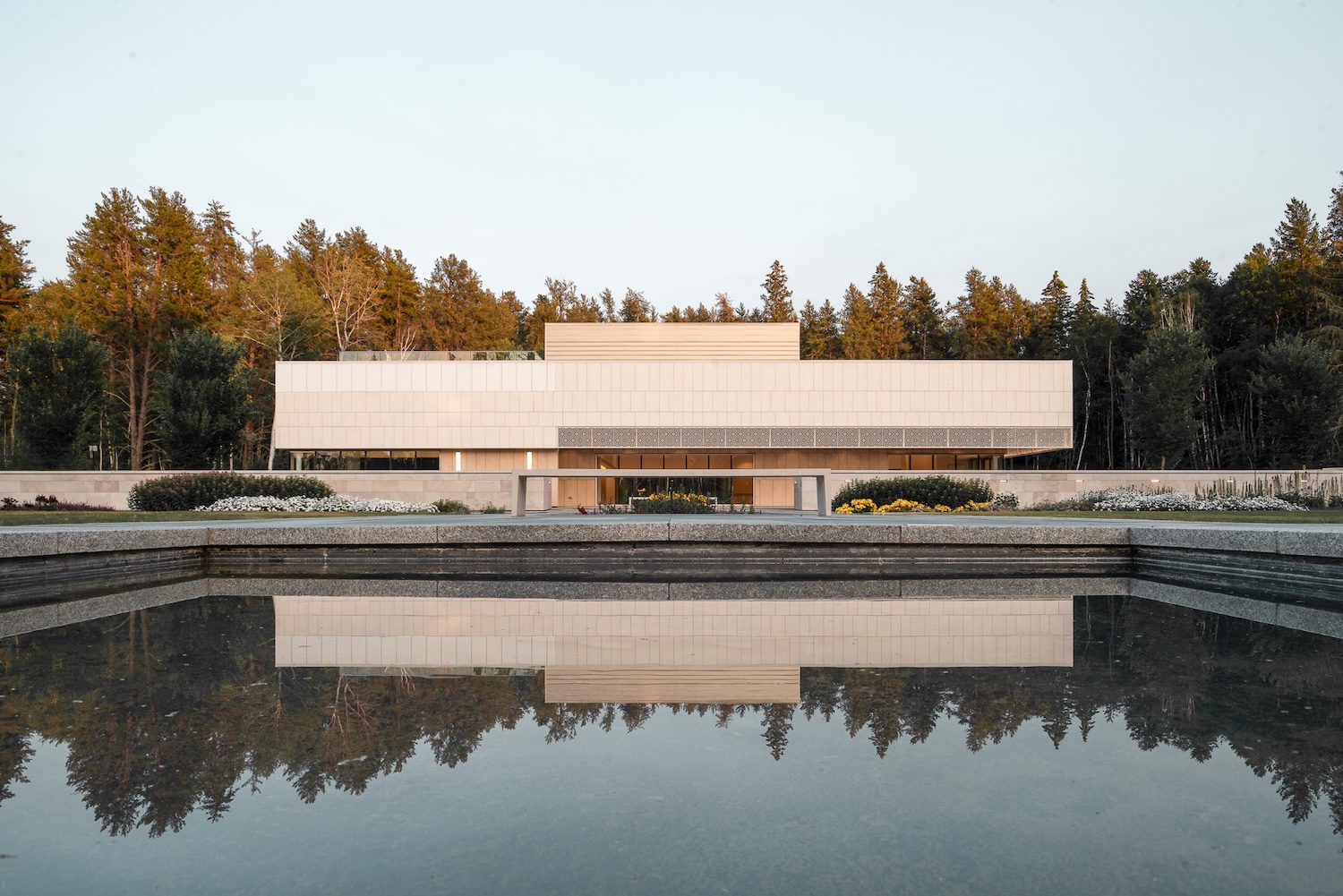 FRONTEK, Nature (Courtesy Tile of Spain)
Ultimately, the rise of tile as a default neutral surface reflects a broader shift in architectural thinking. Materials are no longer chosen solely for appearance. They are expected to perform, endure, and contribute to the overall integrity of a building.
 CERÁMICA MAYOR, Tropic (Courtesy Tile of Spain)
In this sense, foundational no longer means invisible or behind the scenes. Instead, it signals a material that supports architecture at every level, quietly enhancing space, acoustics, and longevity.
For even more projects, products and news from Tile of Spain be sure to visit our website www.tileofspainusa.com or follow us on Facebook, Instagram, LinkedIn, and Pinterest.