
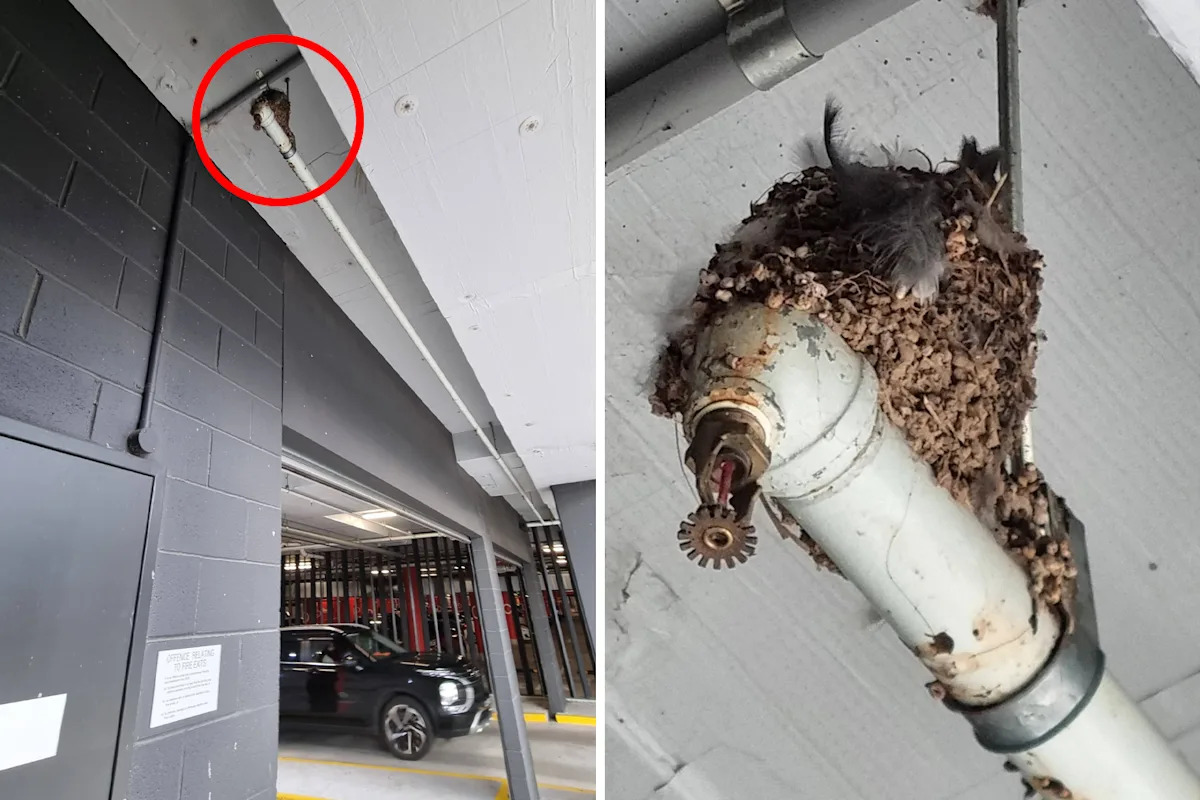
Inside Australian shopping centre car parks, you’d expect exhaust fumes, screaming kids, and tooting horns, but surprisingly, they also provide shelter for a tiny protected species.
In the natural world, welcome swallows would nest on rock faces, caves, and hollow trees, but these spaces are exceptionally hard to find in cities and suburbs, and so the birds have to get creative.
Veteran WIRES animal rescuer Inga Tiere explained that “many animals are much more adaptable than people think”.
When building their nests out of mud, swallows search out a sheltered spot so it isn’t destroyed by rain.
“Pretty much every shopping centre has welcome swallows in its car park,” she told Yahoo News.
Other species like snakes or lizards are also sometimes discovered inside as they’re known to hitch lifts inside cars.
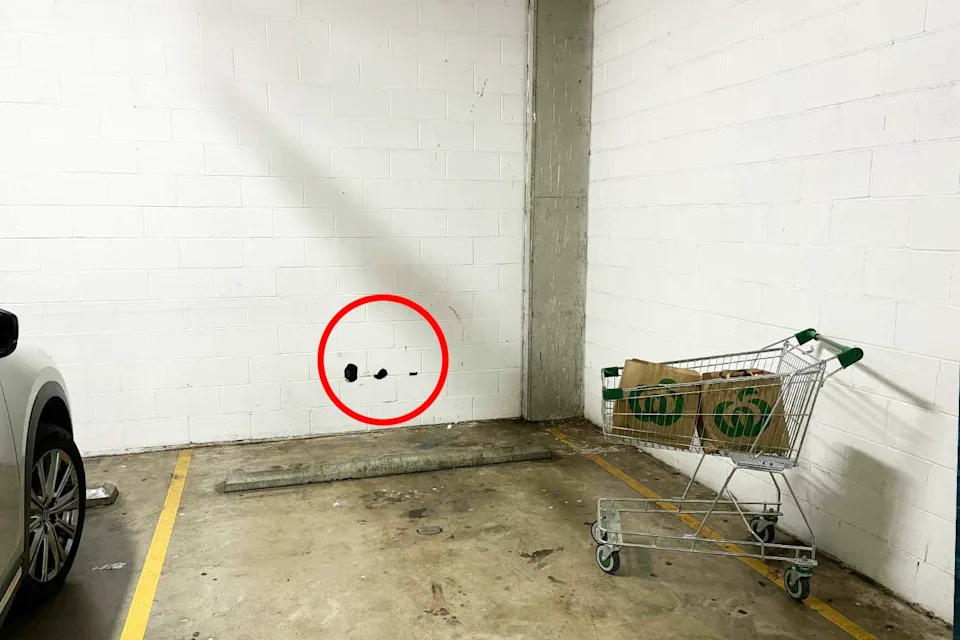
In 2025, a Sydney dad was unloading groceries from Woolworths when he spotted something staring out of a hole in the car park wall.
(Chris Williams)
This week, she was called to assess a nest after a passing shopper, with a love of wildlife, noticed a dead chick on the ground.
Luckily, the parents were still nearby, and the other youngsters appeared in good health, meaning the fatality was likely just a sad accident.
Yahoo News has opted not to disclose the nest’s location to keep it safe from harm.
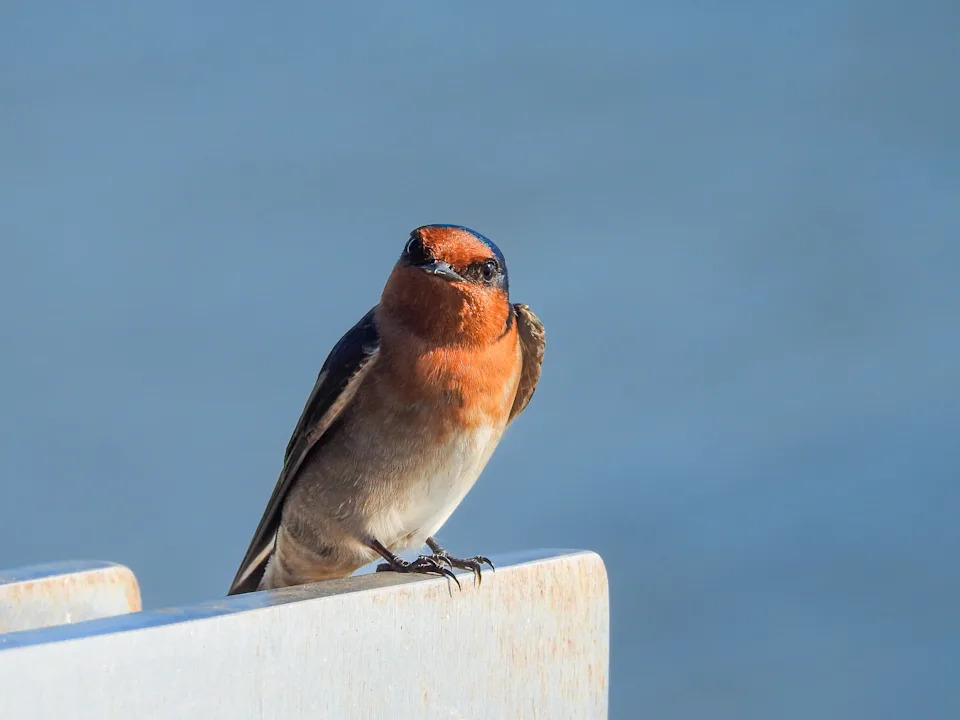
Swallows have been seen. making their homes in increasingly creative places.
(Getty)
Swallow poo building up on the ground frustrates some Australian business owners, who illegally destroy nests or apply for permits to cull the birds.
But Tiere notes that if the ground wasn’t covered in concrete, the poo would be absorbed into the ground as fertiliser.
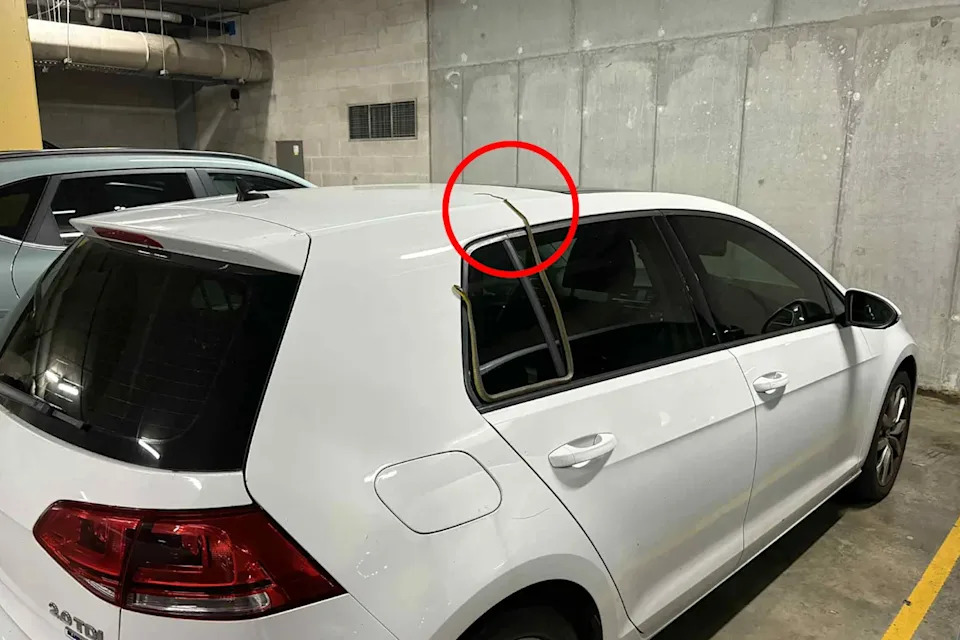
This snake likely hitched a ride from a forested area inside a car.
(Urban Reptile Removal)Ibis and flying foxes maligned for surviving urbanisation
Cities like Sydney are home to native species that often aren’t appreciated by the general public, like brushtail and ringtail possums.
Ibis moved to the city after their wetland homes were largely destroyed, and rather than being celebrated as survivors, they are commonly dismissed as “bin chickens”.
“People complain that they stink,” Tiere said.
“Yes, they do, but it’s only because they’re eating rubbish – if I have ibis in care, they smell of the fish I feed them.”
In 2024, several ibis chicks were killed after contractors trimmed trees in which they were nesting at a Sydney business park.
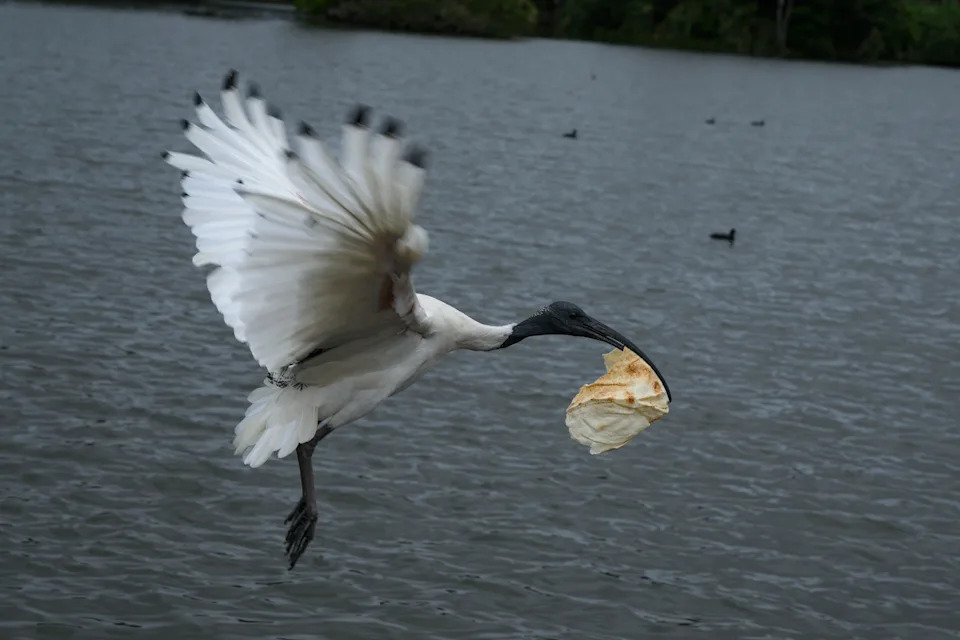
Ibis were forced to move into Sydney after their wetlands were destroyed. With little natural food available, they’re often dependent on scavenging for rubbish.
(Getty)
Tiere argues it’s a lack of education that leads Australians to fear wildlife living in their suburbs.
“There are over 50,000 flying foxes in Harrington Park because it’s breeding season,” she said.
“Everyone is worried they’re going to catch a disease, and they say they shouldn’t be there, even though they’ve been there before people lived there.”
You can also follow us on Facebook, Instagram, TikTok, X and YouTube.