
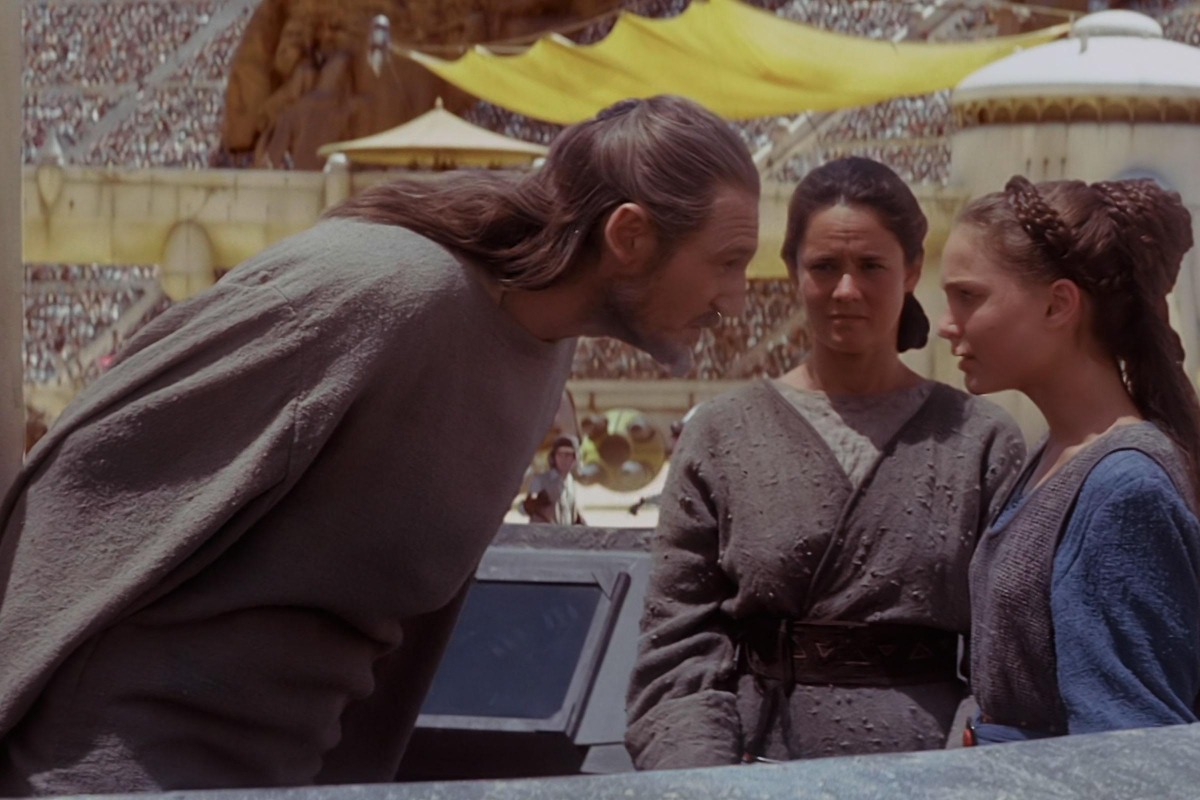
Liam Neeson isn’t a fan of how Qui-Gon Jinn exits The Phantom Menace, calling the lightsaber-stab death at Darth Maul’s hands “a little wimpy” for a Jedi Master. He still remembers the shoot fondly, and concept artist Iain McCaig has said George Lucas once floated an ending where Qui-Gon survives and Obi-Wan carries his legacy.
Liam Neeson still winces at how Qui-Gon Jinn exits The Phantom Menace, calling that lightsaber stab “namby-pamby” for a Jedi Master. Behind the scenes, George Lucas had once toyed with a more stirring fate, according to conceptual artist Iain McCaig, one that might have tipped the saga in a different direction. Neeson, who was courted for the role before a script even landed, says the shoot itself was a thrill. Two decades on, with new spin-offs reshaping Star Wars, his gripe lands like a reminder that even galaxy-sized myths hinge on the small choices of a single scene.
Reflecting on an iconic Jedi
Some scenes stay with you for decades, especially when they spark debate. That is the case with Liam Neeson looking back at Qui-Gon Jinn’s fate in Star Wars: Episode I – The Phantom Menace. He recalls the thrill of stepping into Jedi robes, yet admits the final beat felt off. The word he chose for his character’s death was blunt: “namby-pamby.”
Neeson has praised the filmmaking adventure, the scale, the mythmaking. Still, the veteran actor believes the exit of a seasoned master should land harder. His comments are not bitterness, more like a craftsman noting where the cut wasn’t deep enough.
A death that felt too simple
In the 1999 film, Qui-Gon duels the tattooed terror of the prequels, Darth Maul, only to be felled by a sudden lightsaber strike to the chest. According to Neeson, that quick finish undersold Qui-Gon’s presence and philosophy. For a mentor defined by conviction and calm, the choice felt abrupt, as if a page had been turned before the sentence was finished.
Fans have long argued over the scene’s intent. Was it shock, inevitability, or simply a missed opportunity? Neeson’s view adds fuel to that conversation, especially for those who see Qui-Gon as the moral rootstock from which the Skywalker saga grows.
What could have been: an alternate ending
Concept artist Iain McCaig has said creator George Lucas once explored a version where Qui-Gon defeats Maul. That pivot would have reframed the duel’s meaning, placing the master’s teachings at center stage. It might also have deepened the bond with Obi-Wan, shifting the emotional handoff from sudden loss to a deliberate passing of the torch.
Speculation is part of Star Wars fandom, but this idea came from inside the design room. Even as a road not taken, it suggests how a single choice can echo across character arcs, mentorship, and the saga’s meditation on sacrifice.
Fond memories despite the criticism
Neeson’s critique comes with a smile. He has often spoken warmly about working with George Lucas and the crew, and about the thrill of embodying a Jedi’s steady center. The experience still resonates, even if the last note felt soft.
That balance of candor and affection is telling. It invites a fresh look at Qui-Gon’s legacy, not to diminish it, but to consider how endings shape memory. Sometimes, the way a hero falls changes how we remember how he stood.