
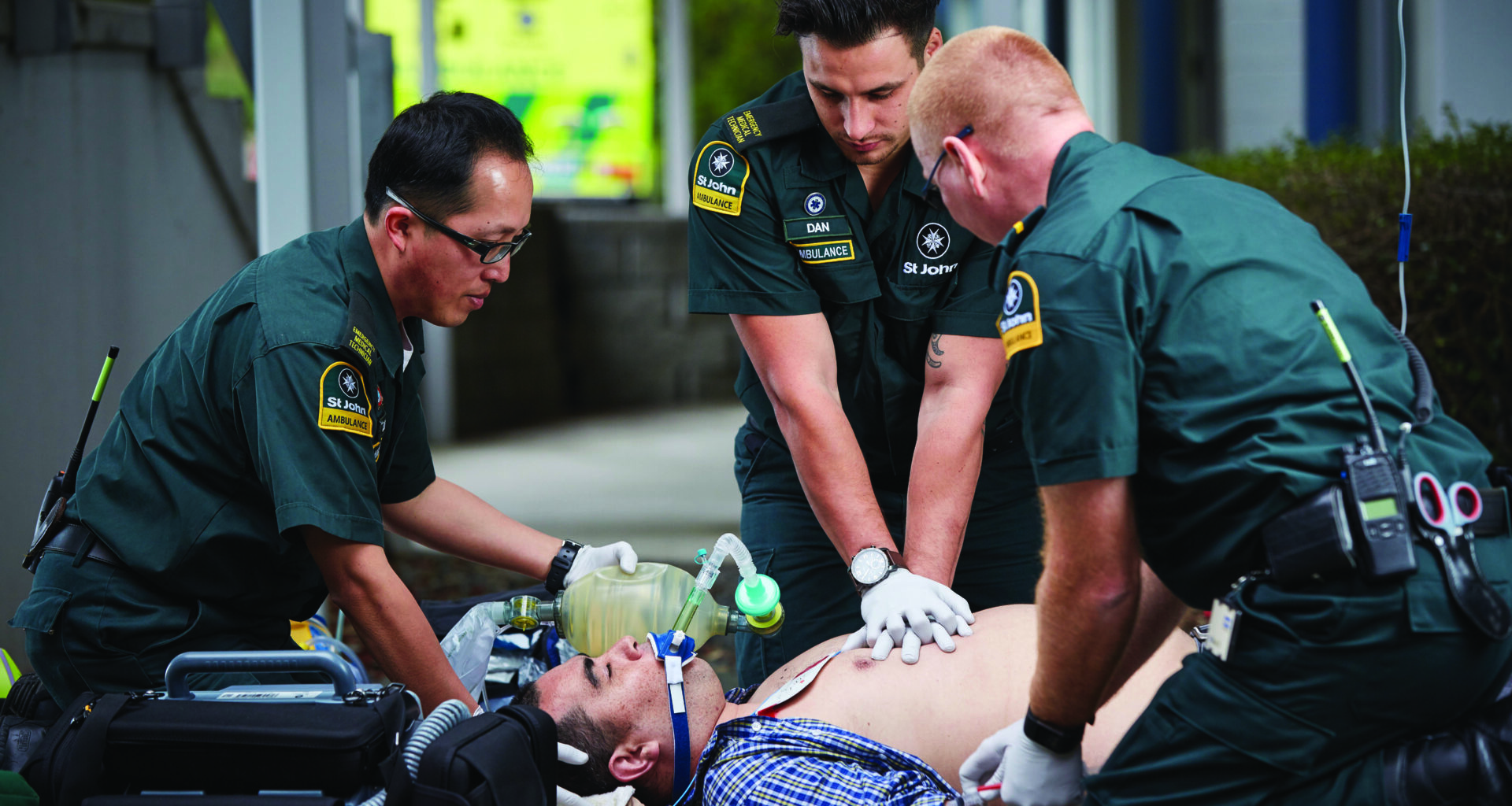
“We also need to ensure that paramedic prescribing complements existing primary care services” – Jon Moores
Paramedics are increasingly delivering care in people’s homes, aged residential care settings and communities with limited access to healthcare, Mr Brown says.
“Giving paramedics the ability to prescribe medicines will enable them to provide more complete care when it is clinically appropriate, rather than transferring patients elsewhere, such as an emergency department, solely to obtain a prescription,” Mr Brown says. “This will be particularly beneficial for people living in rural and remote areas.
“Under the changes, suitably qualified paramedics will be able to prescribe from a specified list of medicines within their scope of practice, allowing patients to access treatment sooner and experience better continuity of care.”
The Ministry of Health is now consulting on the list of medicines paramedic prescribers could be authorised to prescribe. According to information provided by Mr Brown’s office, this could include: medicines for common infections or minor conditions, such as respiratory or ear infections; routine or repeat medications for common conditions (pain relief, asthma inhalers, diabetes medicines); medicines needed in urgent or community care settings.
The list may also include some medicines that are controlled drugs. If these are included, amendments would be required under the Misuse of Drugs Regulations 1977.
A full list is available on the Ministry of Health’s website (see related links below).