
Reading Time: 2 minutes
A new technique using targeted genetic modification developed by a team of researchers from the University of Otago could make it easier to grow crops such as potato, ryegrass and brassicas.
Speaking to Farmers Weekly, Biochemistry research fellow Rowan Herridge and Associate Professor Lynette Brownfield said the new technique uses targeted genetic modification to control a plants’ natural tendency to reject their own pollen.
“Important agricultural species such as potato, ryegrass and brassicas like cauliflower display this self-incompatibility.
“This makes it harder for breeders to fix beneficial traits, such as disease or drought resistance, and pass them down to the next generation,” Herridge said.
To overcome the tendency to reject their own pollen, the team devised Combined Inbreeding and Outcrossing (CIAO), a method that allows plants to self-fertilise during breeding and then leverage their natural self-incompatibility to enforce breeding with other genetic variants to make valuable hybrids.
 Biochemistry research fellow Rowan Herridge says the idea for the technique sprung from a postdoctoral fellowship that investigated the potential of introducing F1 hybrid breeding used in maize to ryegrass.
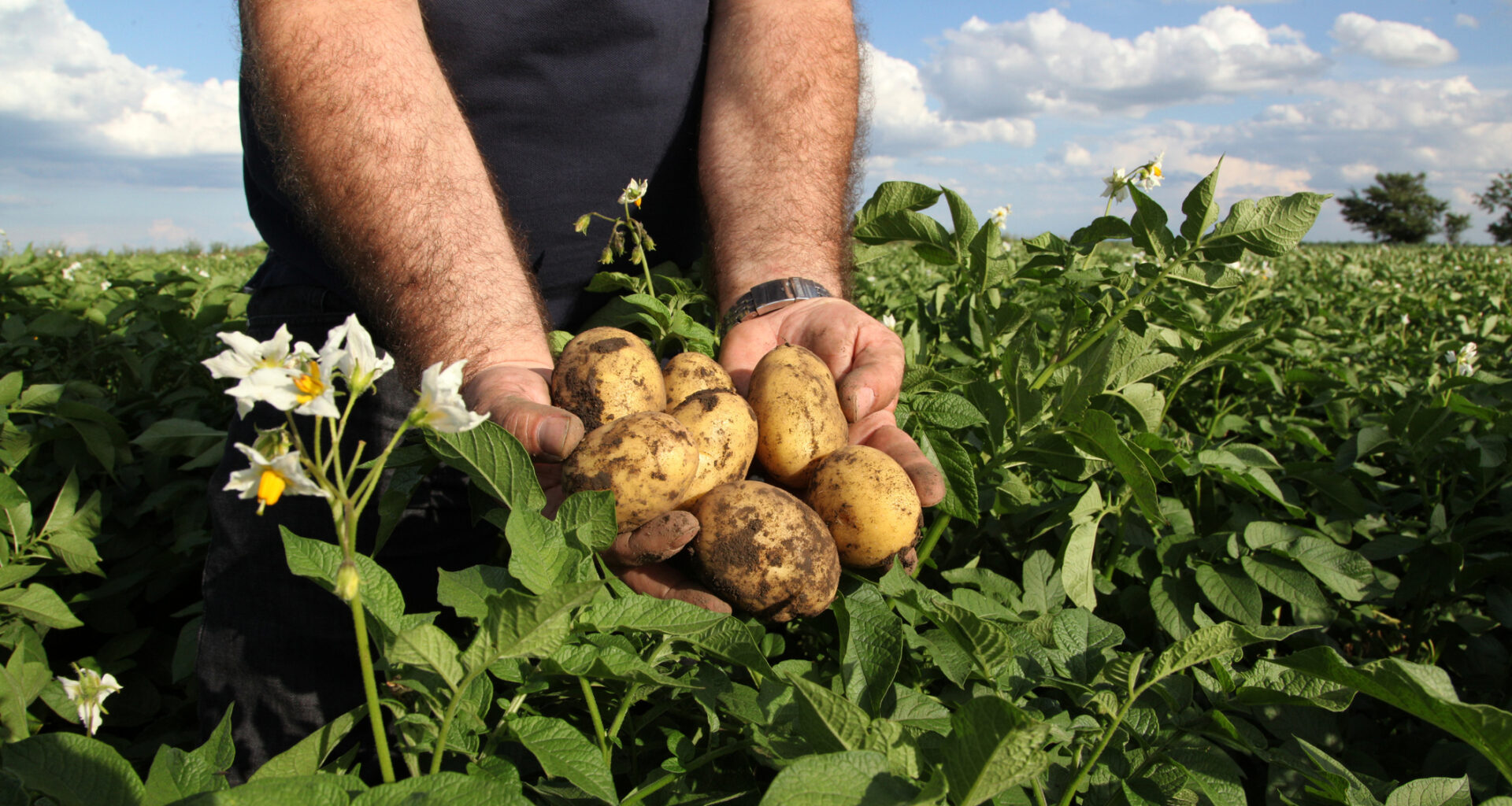
In crops like potatoes the technology could shift production from bulky tubers to lightweight seeds, reducing storage and transport demands and offering a more efficient way to grow food at scale.
Herridge said the idea for the technique sprung from a postdoctoral fellowship he worked on that investigated the potential of introducing F1 hybrid breeding used in maize to ryegrass.
The attempts were complicated in part because of ryegrass’s inability to self-pollinate, he said.
After thinking about the challenge the team, which included Professor Richard Macknight, leveraged ryegrass’s inability to self pollinate and realised it is applicable to any self-incompatible crop.
 Associate Professor Lynette Brownfield says we’re going to have to breed crops that can adapt to different environments faster.
Brownfield said the genetic gains in, for example ryegrass, have been small, but using the new technique, genetic gains could be much faster.
“There’s greater recognition that we’re going to have to breed crops that can adapt to different environments faster. The impetus for moving forward is not just better yields but maintaining yields while under stress,” she said.
CIAO could also be a valuable tool to help address environmental issues affecting farming and crop yield, like climate change and disease.
“CIAO allows breeders to more easily create varieties of plants that are higher yielding and more resilient in a rapidly changing environment,” Herridge said.
“We are also exploring possibilities with self-incompatible orphan crops, crops that have been grown historically, but not commercially. Bringing such crops to commercially viable levels of productivity would be a huge achievement.”
With the support of Otago Innovation Limited (OIL), CIAO is currently being developed in collaboration with a multinational breeding company and is making its way through the patent process.
Brownfield pointed out that gene-edited genes will not be part of the seeds farmers will buy.