

Listen to this article
Estimated 4 minutes
The audio version of this article is generated by AI-based technology. Mispronunciations can occur. We are working with our partners to continually review and improve the results.
The Ontario government is investing $1.9 million in Indigenous-led healthcare services throughout southwestern Ontario as part of its ongoing plan to connect more people with primary care providers.
The province announced Tuesday morning that the funds will go to the Southwest Ontario Aboriginal Health Access Centre (SOAHAC), which offers “culturally grounded, holistic healthcare” to Indigenous communities throughout the region.
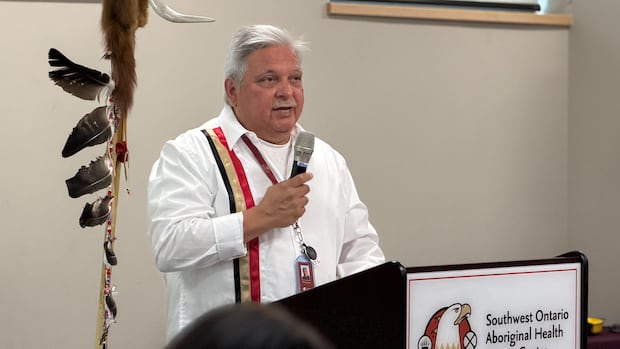
“Anytime you get any type of funding to help with healing and wellness, especially in primary healthcare, you’re often very grateful,” said SOAHAC senior manager for traditional healing Doug George.
“It’s a really good start for what Indigenous people need in terms of equitable, adequate primary healthcare.”
Lambton-Kent-Middlesex MPP Steve Pinsonneault made the announcement at SOAHAC’s London site, and said the funding will support more than 2,000 new people seeking healthcare.
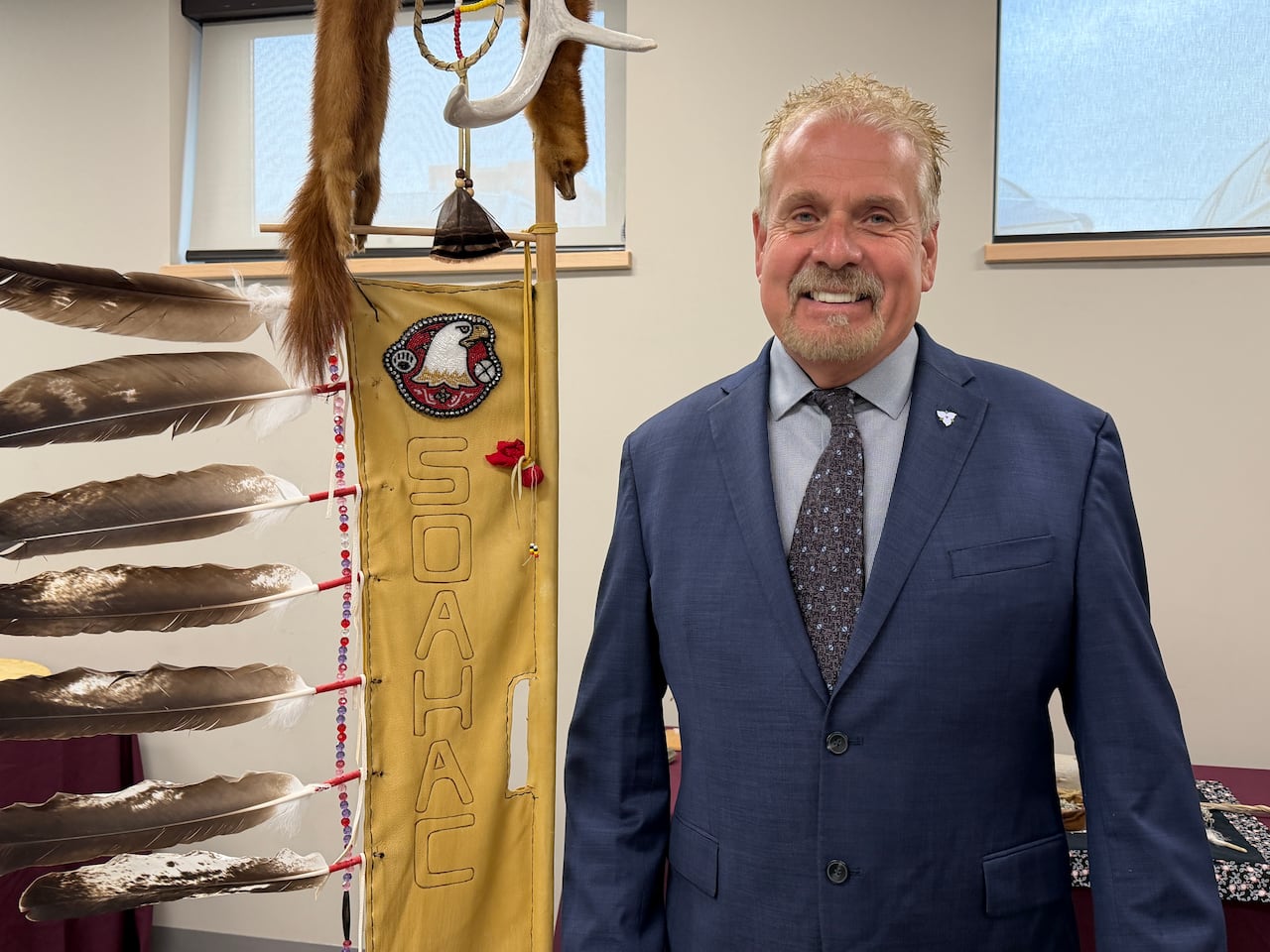 Lambton-Kent-Middlesex MPP Steve Pinsonneualt made the funding announcement at SOAHAC’s London site Tuesday morning. (Kendra Seguin/CBC News)
“It’s an extension to what we’re doing across the province,” Pinsonneault said, adding that the Ontario intends to put $3.4 billion into primary care so that everyone has access by 2029.
“Over the next couple of months, you’re going to see a lot of announcements of funding going to different groups,” he said. “This group has six different centres so it’s pretty far-reaching. We just want to make sure we’re putting our funding in the right places, and we believe this is one of the right places.”
SOAHAC CEO Jan Martin said the money will primarily be used to hire more staff and operate mobile sites, with the goal of providing more care to people in remote and rural communities.
“Not everybody can come in, and we want to meet people where they’re at to make sure they get the care that they should get,” Martin said.
Blending healing practices
SOAHAC offers services including dentistry, dietary support, physiotherapy and mental health services, Martin said. Everything uses an “integrated care model,” which combines primary healthcare with traditional cultural healing, she explained.
George said that’s important for many people in Indigenous communities, who may not trust traditional healthcare providers and systems.
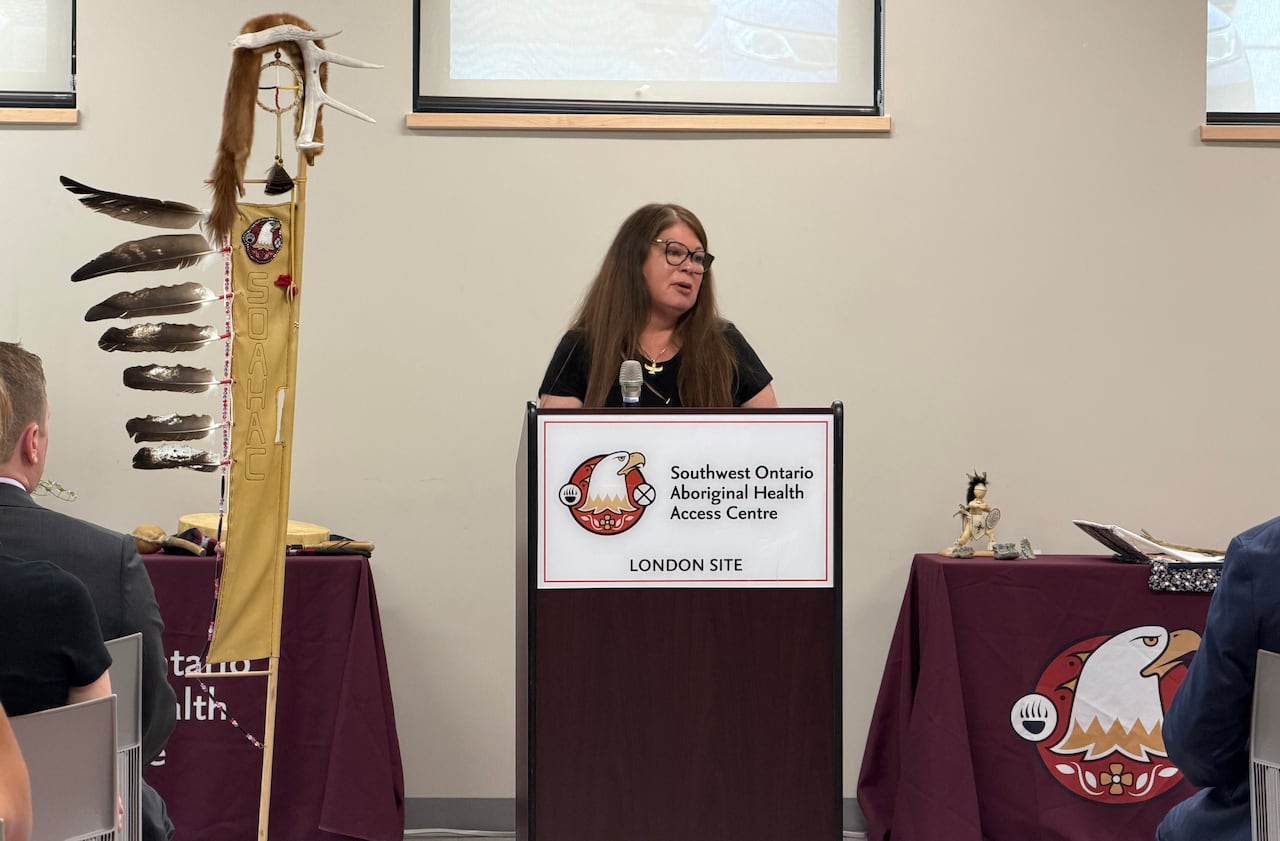 SOAHAC CEO Jan Martin says the additional provincial funding will go towards operating more mobile units in remote areas and hiring more healthcare staff. (Kendra Seguin/CBC News)
“This is one of the reasons why you still see many people with multiple chronic diseases and illnesses,” George said. “Those things are best – in my opinion and others’ opinion within Indigenous communities – dealt with by people who understand those traumas through lived experience.”
For example, George said the London site often services elders in serious condition, who would rather connect with a traditional healer than healthcare provider. Those healers are able to develop a holistic treatment plan alongside doctors within the facility, he explained.
“So many of the traditional healers here know when this is a serious moment, especially when there’s potential for serious physical harm to come to the patient,” George said. “So they are able to walk across the floor and consult with a doctor or nurse practitioner right away.
“We want to be able to actually work together so that we can blend their strong belief systems and traditional healing practice with primary healthcare for overall safety.”
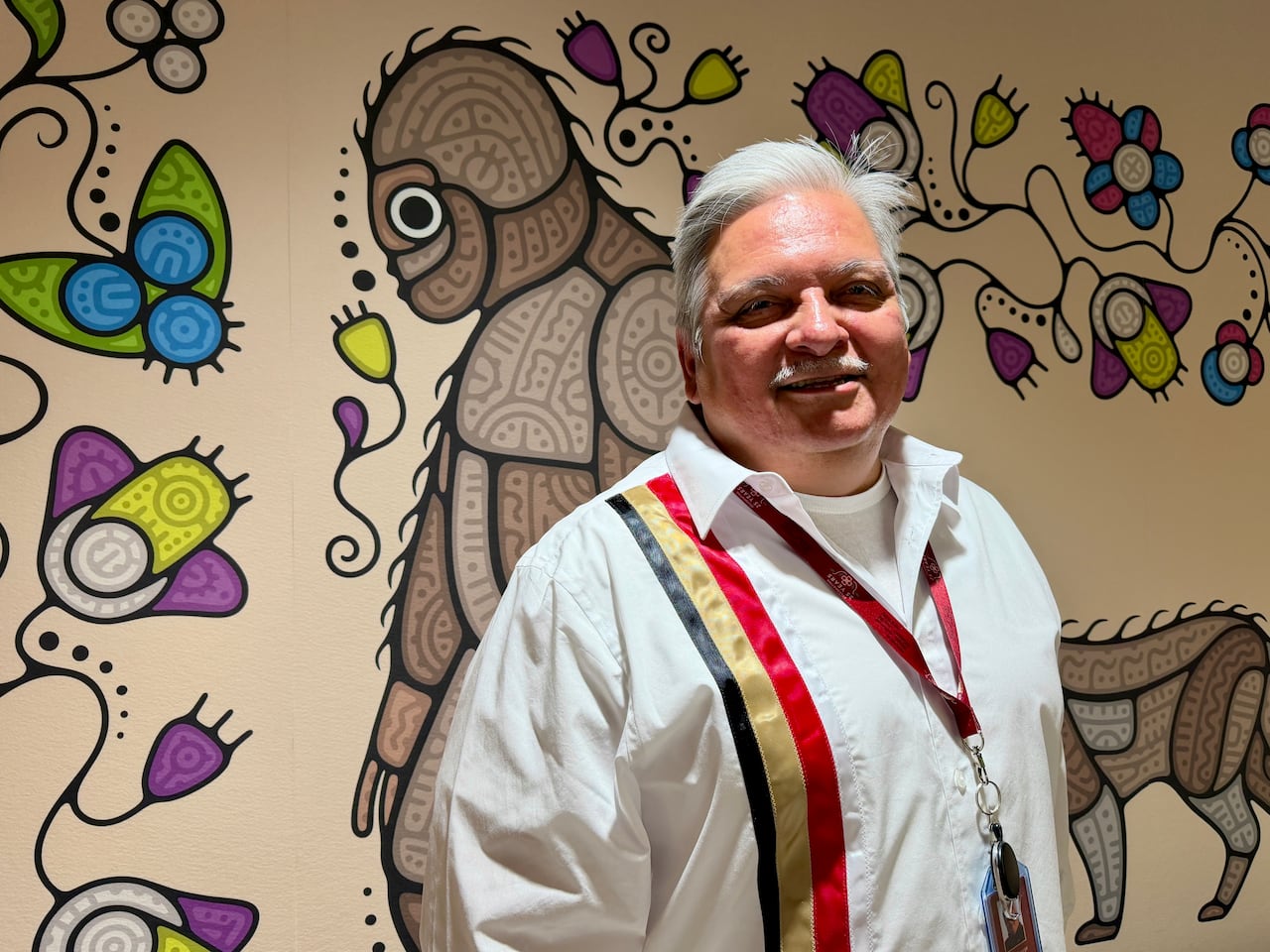 Doug George is the senior manager for traditional healing at SOAHAC, and says that the centre’s combination of primary care and traditional cultural practices makes for a more comfortable experience for people seeking healthcare. (Kendra Seguin/CBC News)
George said the centre also works to offer other programming so that people are not only coming to them for health-related needs.
“We are constantly working on helping people feel safe within the Indigenous Health Access Centre because we understand what they’ve gone through,” he said.
Need for more Indigenous doctors, nurses
George said there’s still room for SOAHAC and other Indigenous healthcare initiatives to grow in the coming years, particularly when it comes to getting more Indigenous healthcare professionals into the field.
“It would be preferable if we had our choice of Indigenous doctors coming out of university, but we’re still not there yet. It would be preferable if we had Indigenous nurses knocking down our door, but we’re still not there yet,” George said.
He said medical programs should make space for Indigenous peoples and their traditional knowledge.
“They don’t have to put that on the side in order to be accepted within that system,” he said.
Martin said SOAHAC also intends to let more Indigenous students know work is available.
“I think we need recruitment efforts of getting out to universities or getting out to job fairs, letting them know we’re here and we’re looking,” Martin said. “We have work to do on our end.”