
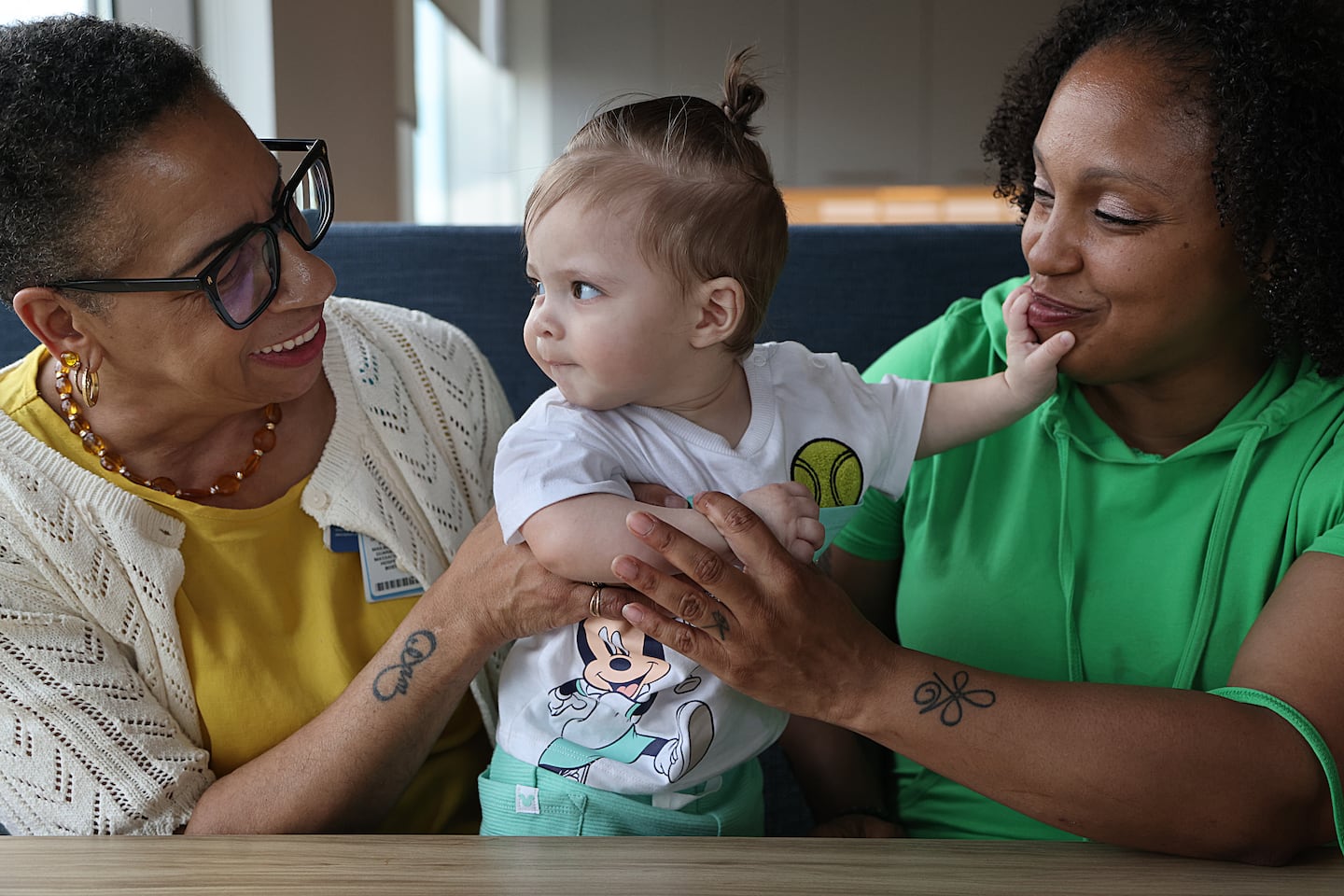
Each year, thousands of women like Martinez struggle to navigate gaps in the medical and social service systems, to the detriment of their own health and that of their babies. In Massachusetts, Black pregnant patients experience higher rates of severe maternal complications and cesarean sections than the national average, according to the Department of Public Health. At the same time, access to prenatal care is worsening, with more patients beginning care months into pregnancy. Hospitals are increasingly filling gaps that some advocates say public funding and policy have failed to address.
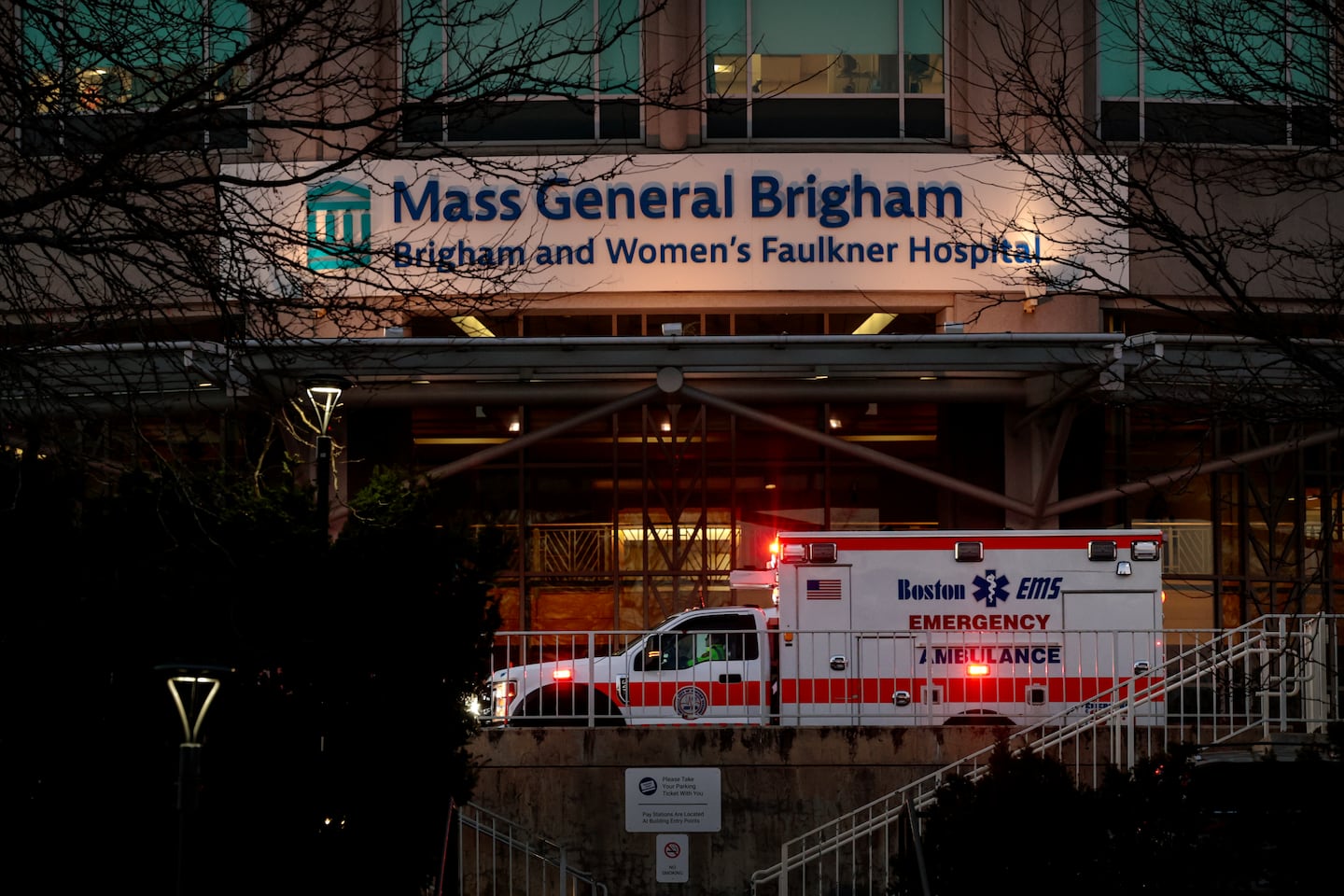 An ambulance departed Brigham and Women’s Faulkner Hospital in Jamaica Plain in Boston.Craig F. Walker/Globe Staff
Martinez credits the MGB program with helping stabilize a period of her life that could easily have spiraled into crisis.
Joyce Clark, the health worker Martinez was paired with, coordinated transportation between the Mattapan shelter and Martinez’s doctors in Brookline through MassHealth services. She arranged medically tailored meal deliveries when shopping and cooking became difficult. She helped secure baby supplies and connected Martinez with a doula, mental health services, workforce development, and education opportunities.
When Martinez gave birth in September to her son, Sincere, she had a C-section and was unable to climb stairs to their second-floor room at the shelter.
Clark helped secure Martinez a spot on the first floor of the shelter. She also advocated for Martinez to be pushed to the top of the Boston housing waitlist.
“If I didn’t get referred during my first doctor’s appointment, or met Joyce who helped me find transportation, a doula, a work program, school, and get me to today… I really don’t know where I’d be,” Martinez said. “Whatever I needed, they were on it.”
To qualify for MGB’s Family Partner Program, patients must be considered high-risk, planning to deliver at one of its four hospitals (Brigham, Mass. General, Newton-Wellesley, or Salem Hospital), and be experiencing both clinical and social risk factors such as hypertension, diabetes, mental health conditions, unstable housing, and food insecurity.
Paid for with philanthropic funds, the program accepts patients regardless of their insurance coverage or ability to pay. It has helped 160 patients and is expected to reach 500 to 600 women this year.
The period after childbirth can be a critical time. People are generally less likely to attend to their own needs as they focus on newborns, and those who have limited access to care and fewer resources are even less likely to attend appointments that screen for problems, said Dr. Amaka Onwuzurike, MGB’s associate medical director for maternal and infant health equity. The program requires patients to attend monthly coaching sessions at the hospital with their family partner and clinical team.
“What we realized is that patients need someone on the care team who understands both the clinical and social sides of health. That’s the gap Family Partners are filling,” Onwuzurike said. “Family Partners help patients understand medical issues like hypertension and preeclampsia risk, while also helping them access housing, food, and transportation. They bridge both systems.”
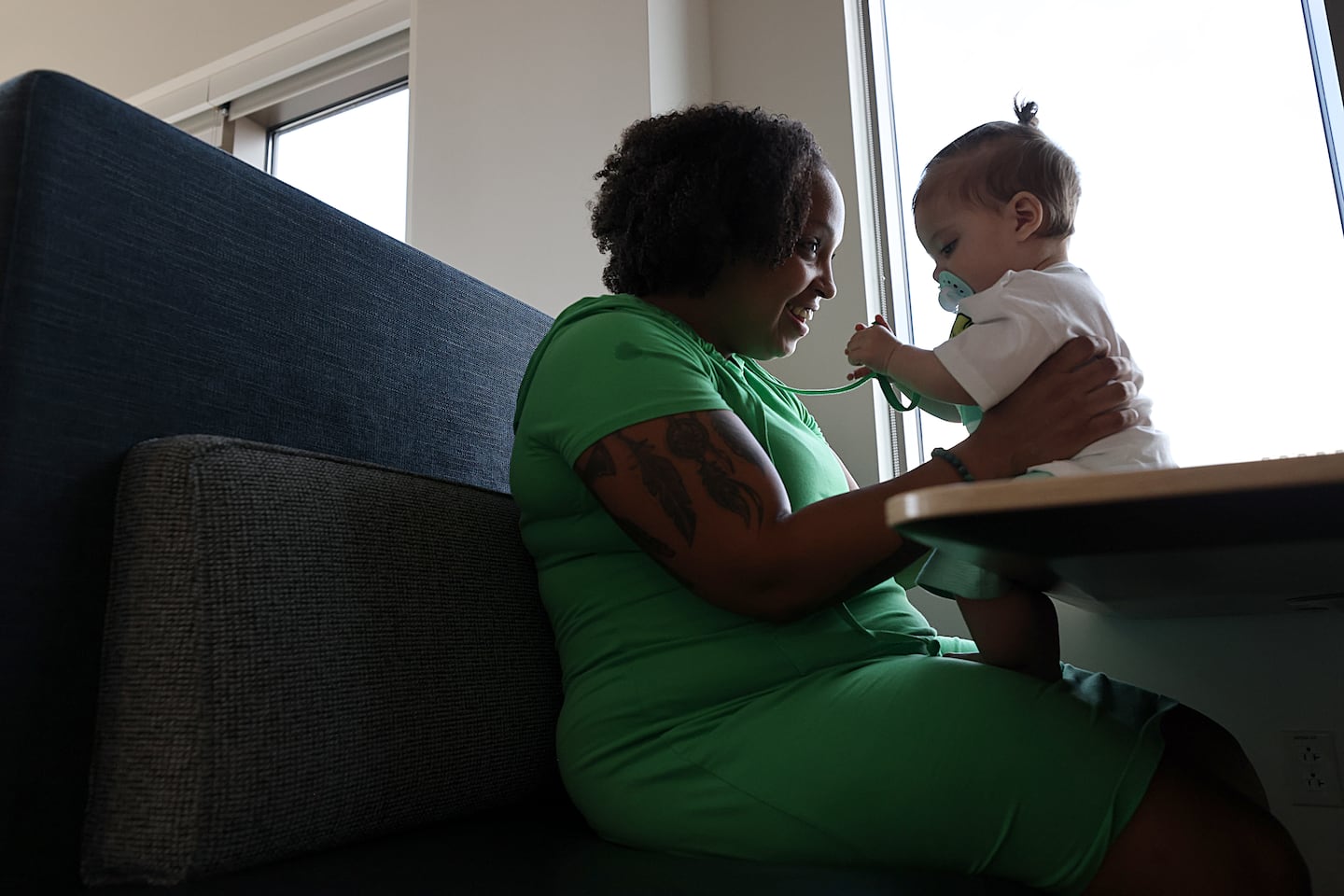 Alea Martinez with her son, Sincere.Suzanne Kreiter/Globe Staff
Growing evidence from programs like MGB’s suggests that some of the most effective interventions are simple ones, such as helping mothers stay connected to care after they leave the hospital.
“The need has been there for a long time,” said Dr. Brigid McCaw, former medical director of the Kaiser Permanente Family Violence Prevention Program in California. “The US maternal health crisis is pushing health systems to address the social conditions that affect pregnancy outcomes, including food insecurity, housing instability, domestic violence, substance use, and mental health conditions.”
McCaw said community health workers can play an important role in supporting pregnant patients, but emphasized the need for specialized training in trauma and domestic violence.
“Well-intentioned workers need to understand the dynamics of domestic violence, the effects of mental health and substance use conditions, and the long-term impact of trauma, including adverse childhood experiences,” she said.
Family Partners receive a monthlong training in trauma, mental health, empathy, self-care, and maternal support.
Clark, a former doula and a Brigham employee for the last 20 years who studied community advocacy and health care, said she started the program with 36 patients.
On a recent visit to Brigham and Women’s Hospital, Clark was still helping guide Martinez in how certain pieces of cut fruit were too big for Sincere to chew.
Most clients, Clark said, arrive carrying burdens similar to Martinez’s. Clark’s own lived experiences have helped her establish trust.
“I’m also a survivor,” Clark said. “If you don’t have the empathy or the structure of understanding of what trauma looks like, it can be very difficult.”
Now 8 months old, Sincere is a happy baby on the move around their South Boston apartment. He’s been accepted to a day care for women in need. Martinez is doing a 90-day job training program at Children’s Hospital and hopes to be a pediatric nurse.
She has less than three months left with the program.
“I’m sad the help is almost over, but I feel more like I’ve graduated,” she said. “I don’t need as much assistance and help as I did in the beginning. But we have built a relationship that doesn’t just end. I will still call her to check on her.”
Clark said, “She better!”
Sarah Rahal can be reached at sarah.rahal@globe.com. Follow her on X @SarahRahal_ or Instagram @sarah.rahal.