
Palmer and Turner | Victor Adegbite | Jože Plečnik | Archigrest | Toposcape | Atelier Wo-Land | Feilden Fowles | J&L Gibbons | Sher Maker | Peris+Toral Arquitectes
The online world is pressing up against the public realm. The spaces of the city are increasingly sites for either consuming digital content, on mobile phones or LED billboards, or creating it – taking selfies, TikTok videos or photographs of specially designed ‘Instagram moments’. ‘Increasingly, public space is a backdrop for what is happening online,’ Zach Mortice writes in this issue’s keynote. People may be physically present in public space, but they have retreated to the digital.
This latest threat to the health of public spaces joins a roster of existential issues that have long eroded urban experiences. In Hong Kong, the civic ideals embodied in 20th-century municipal buildings are losing ground against real-estate forces; Kowloon’s beloved social condenser is unlikely to escape the wrecking ball. Ljubljana, which pedestrianised its historic centre 20 years ago and ranks as one of Europe’s most liveable cities, is prone to overtourism – yet Miloš Kosec finds that Jože Plečnik’s interventions by the river exhibit ‘a curious resilience to commodification’. Certain cities have historically suffered from a dearth of public spaces; in Accra, the recent renovation of Black Star Square suggests an alternative way forward.
As cities mitigate global heating and provide habitats for different species, several landscape projects are recognised in the AR Public awards. The winner, in Warsaw, turns a historical mound into a new type of urban park, showing that frugal interventions are often ecological.
1532: AR Public
Read online Digital edition Buy now
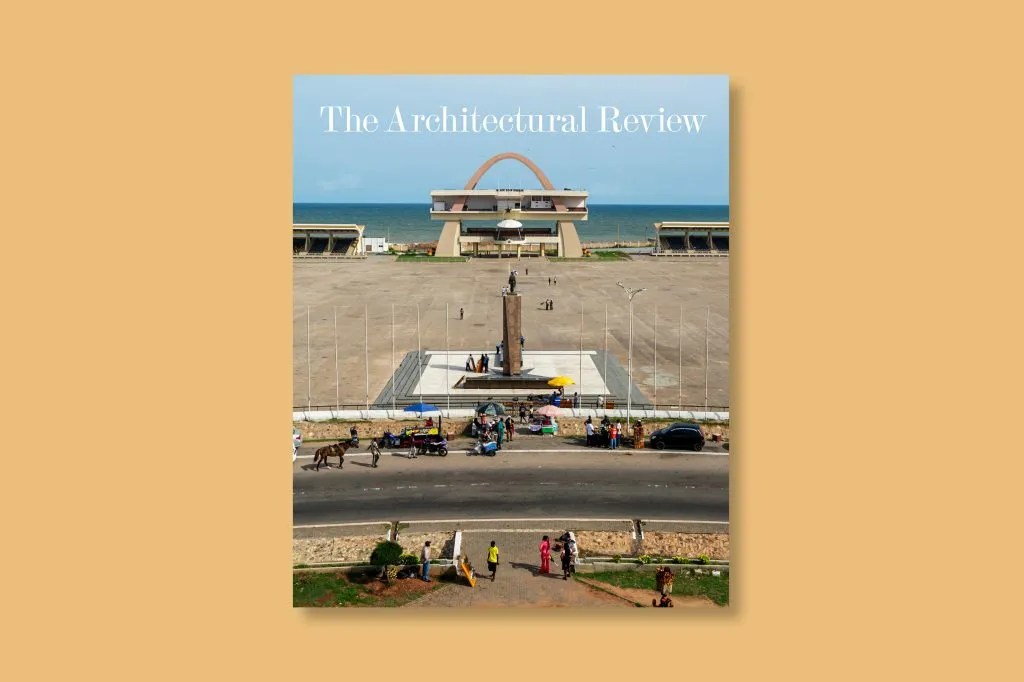
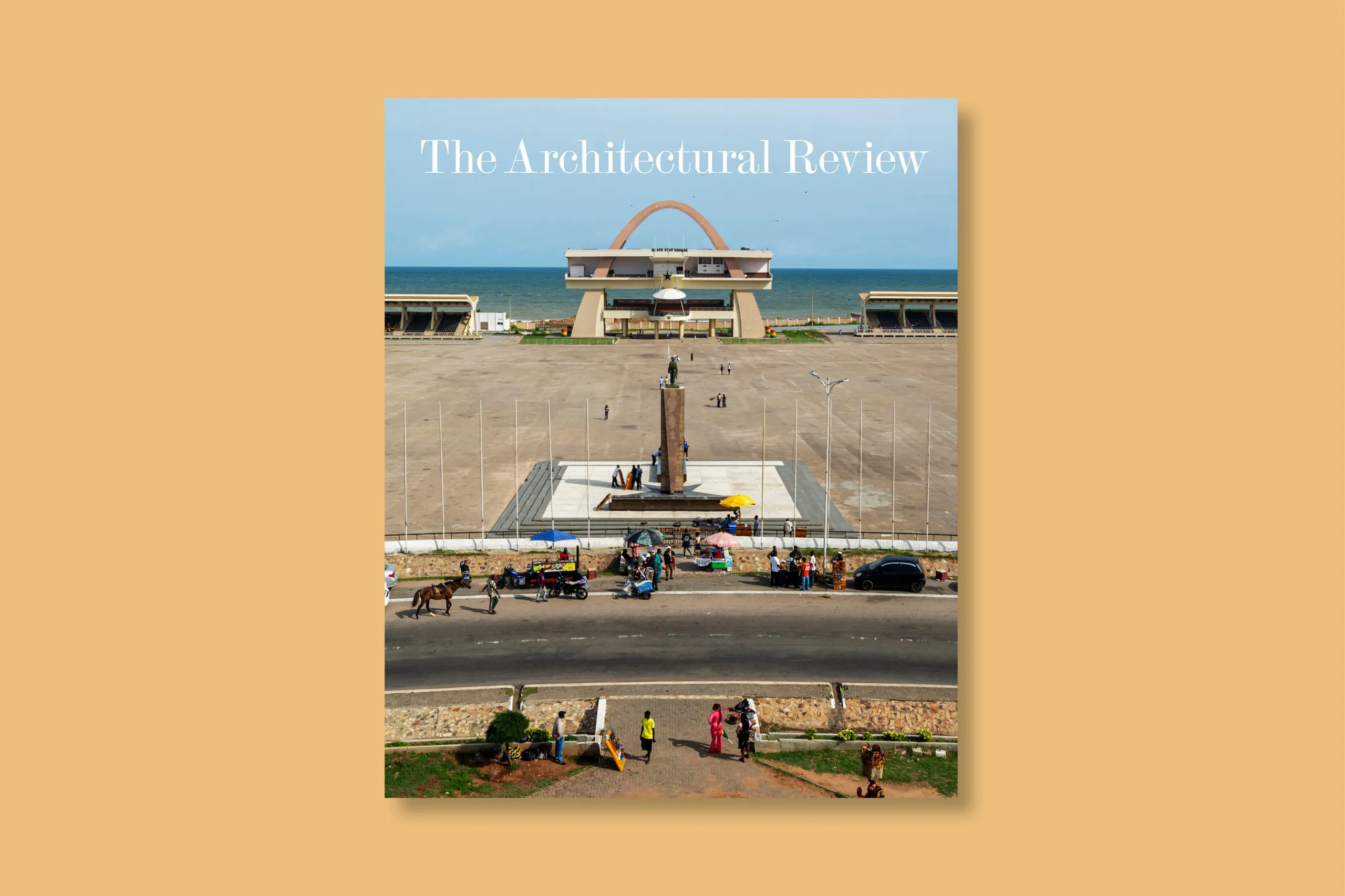
cover (above)
‘There are no parks in Accra,’ read Accra: A Plan for the Town in 1958. It is a predicament that has changed little since then. The city’s few public spaces, such as Black Star Square, are precious in the face of commercial development that threatens to deplete public access to the coast. Credit: Edem Tamakloe for The Architectural Review
folio (lead image)
Nicolas Damiens’ Tokyo No Ads series from 2015 imagines a city without advertising – a possibility being explored by cities such as Amsterdam, which has banned ads for high‑carbon products, such as cars and flights
keynote
Unsocial network
Zach Mortice
revisit
Kowloon City Municipal Services Building in Hong Kong by Palmer and Turner
Ying Zhou
revisit
Black Star Square in Accra, Ghana by Victor Adegbite
Lloyd G Adu Amoah
revisit
Ljubljanica riverbanks in Ljubljana, Slovenia by Jože Plečnik
Miloš Kosec
AR Public awards 2026
winner
Warsaw Uprising Mound in Warsaw, Poland by Archigrest and Toposcape
Maja Mozga-Górecka
highly commended
Interventions in Yangshantou in Yangshantou, China by Atelier Wo-Land
Jaime Chu
highly commended
Natural History Museum garden in London, UK by Feilden Fowles and J&L Gibbons
Laxmi Andrews
commended
Pocket music park in Chiang Mai, Thailand by Sher Maker
Pirasri Povatong
commended
Plaça del Canòdrom in Barcelona, Spain by Peris+Toral Arquitectes
Rafael Gómez-Moriana