
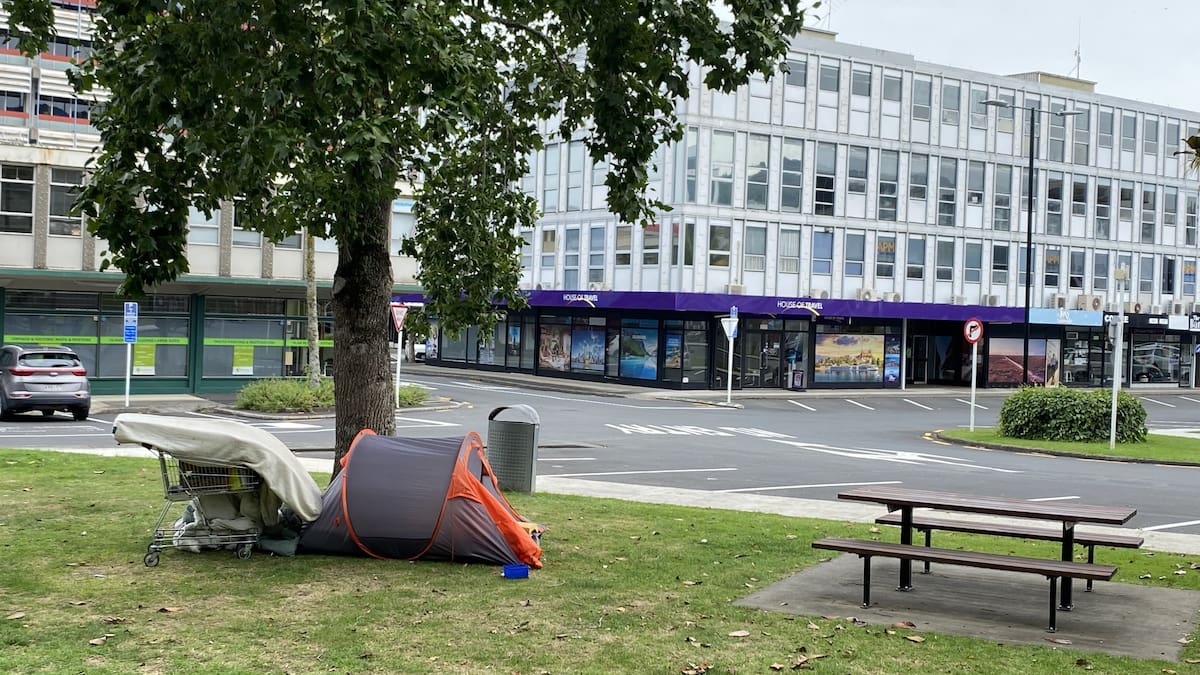
Tai Tokerau Emergency Housing Charitable Trust manager Ange Tepania said the findings are “concerning but not surprising” for Te Tai Tokerau.
The figures “reflect the reality that many local providers see every day”, she said.
“Housing insecurity can have significant short and long-term impacts on children and young people, affecting their health, wellbeing, education and sense of stability.”
The findings also show children and young people experiencing housing deprivation face “significantly higher rates of harm” in their lives.
They are nearly three times more likely to have experienced abuse, more likely to disengage from education, are more likely to interact with the justice system and have poorer health outcomes than other children.
Children under 5 are likely to experience preventable hospitalisations, including respiratory illness and preventable disease, the report says.
Wellington Homeless Women’s Trust chairwoman Dr Jo Cribb, a Coalition to End Women’s Homelessness member, said every child had a right to grow up in a safe, secure home.
“These are babies, toddlers and young people who are carrying the weight of housing insecurity at a critical stage of their development, with consequences that can shape the rest of their lives,” she said.
The Ministry of Social Development’s social housing register showed 1020 Northland families with an A or B housing priority – a serious housing need – as of March 2026.
Ngāti Hine Health Trust chief executive Tamati Shepherd-Wipiiti said 61 adults and 54 children were registered as homeless with the health trust and Ministry of Social Development, mostly in Whangārei.
“We see those numbers on our books and across Northland.
“We know from our data the heightened likelihood of health conditions like respiratory issues and skin disease, and kids not attending school.”
Shepherd-Wipiiti said the trust was “trying to get women and bubbas out of sheds and into homes” by prioritising the group.
That included the social housing development in Moerewa aimed at addressing critical housing shortages in Te Tai Tokerau, he said.
Tai Tokerau Emergency Housing Charitable Trust manager Ange Tepania says the report’s findings are concerning but not surprising.
The Marohapa project features 35 sustainable, quality rental units and a community wellness centre for vulnerable whānau.
“We have seen the benefits already where kids are attending school. Putting them in a warm dry house has worked.”
The Coalition to End Women’s Homelessness is urging the Government to improve access to gender-based data so policymakers and housing and social service providers can make better-informed investment decisions.
It also wants the Government to apply the data to homelessness responses, and to create a women’s housing strategy that better protects women and their children.
Shepherd-Wipiiti said the trust had “requested multiple times” for another 10 rental spaces under its Housing First contract, which is capped at 60 places in Whangārei.
“If we had another 10 we would get all the mums and bubs out of cars.
“We are under-resourced in Whangārei to service our young people and mums.”
Tepania said long-term solutions required greater access to affordable housing and support services that help whānau achieve lasting housing stability, “because every child deserves a secure place to call home and the opportunity to thrive”.
Jenny Ling is a senior journalist at the Northern Advocate. She has a special interest in covering human interest stories, along with finance, roading, and social issues.