
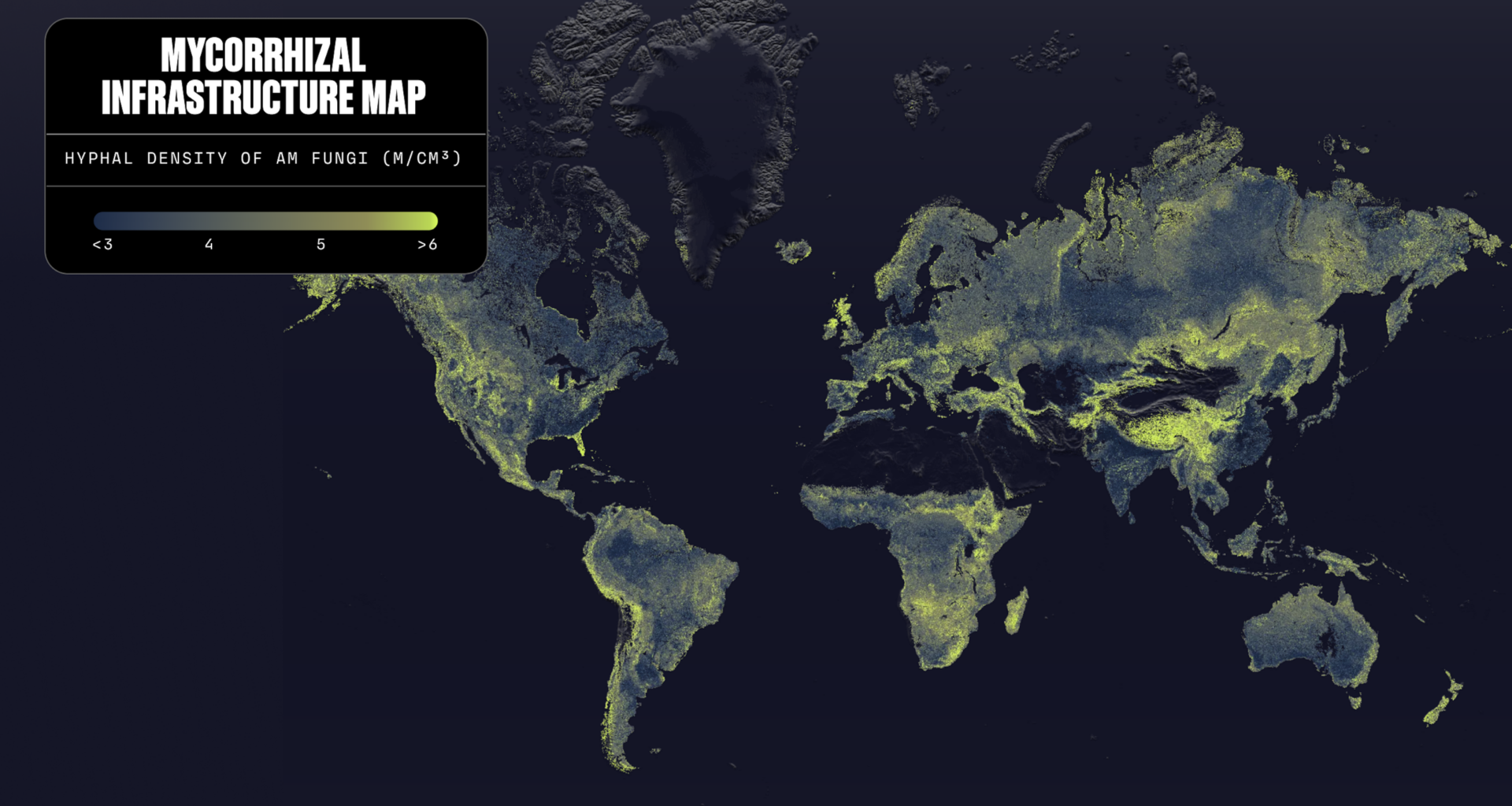
Earth’s underground fungal network is so vast that, if it were in outer space, it would span roughly 10% of the Milky Way if placed in a straight line, a new study finds.
These subterranean structures, called arbuscular mycorrhizal fungal networks, work in partnership with most of the world’s land plants, feeding plants nitrogen and phosphorus in return for their carbon. Now, the first global map of this fungal network has revealed where their intricate branching structures are most densely packed.
You may like
The hidden fungal forest
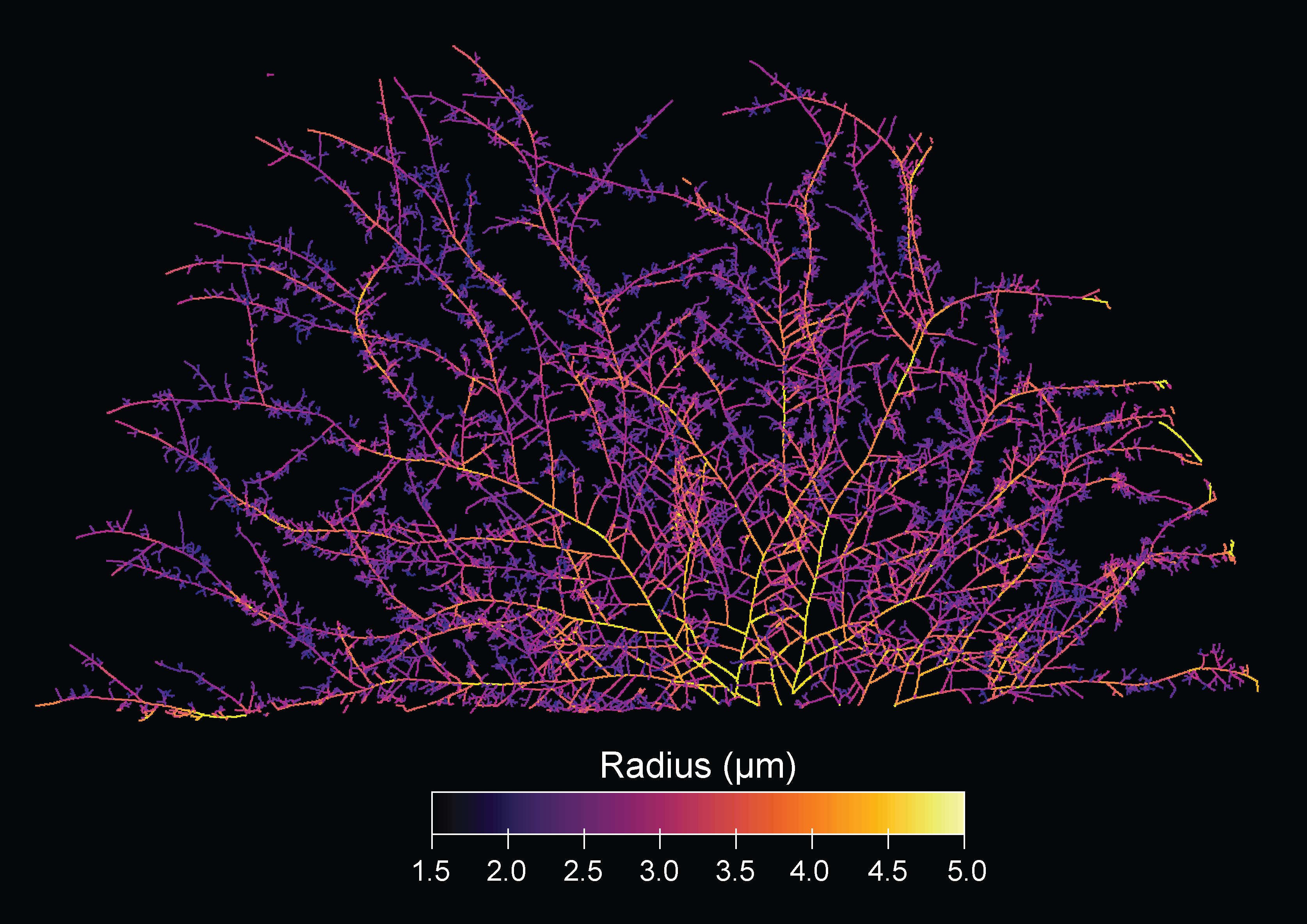
The hyphae connect with plants and channel nutrients and carbon using two-way pipes.
(Image credit: Corentin Bisot – VU Amsterdam, AMOLF Justin Stewart – SPUN)
What to read next
Stewart, J. D., Bisot, C., Cargill, R. I. M., Van Nuland, M. E., Hawkins, H.-J., Oyarte Galvez, L., Klein, M., van Son, M., Terry, V., Paré, L., Banchini, C., Stefani, F., Kahane, F., Lin, K.-K., Braghiere, R. K., Field, K. J., Soudzilovskaia, N. A., Elhance, J., Kokkoris, V. …Kiers, E. T. (2026). Global density and biomass of arbuscular mycorrhizal fungal networks. Science, 1171-1176. http://doi.org/10.1126/science.adu4373