
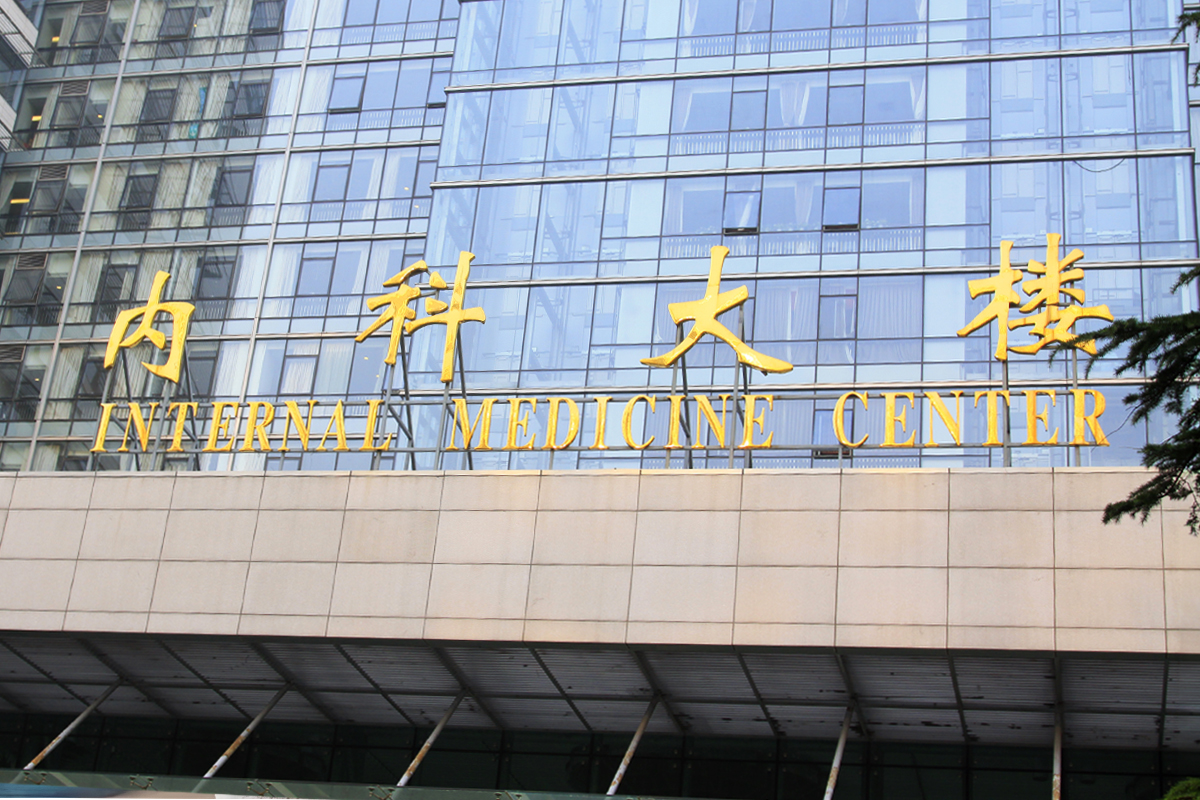
A 2,000-person study at Beijing’s renowned 301 Hospital aims to determine whether stem cells can help people maintain function as they age.
China is getting older…and fast. Walk through any major Chinese city today, and you’ll see a society in transition. Grandparents are increasingly caring for grandchildren while adult children juggle work and eldercare responsibilities. Hospitals are treating growing numbers of age-related conditions, and policymakers are grappling with a demographic reality that its people are living longer, but not always healthier.
One of China’s most prominent medical institutions is launching an ambitious effort to answer a question that has fascinated scientists, investors and longevity enthusiasts alike: can stem cells help people age better?
According to information released by the Second Medical Center of the PLA General Hospital, commonly known as 301 Hospital, researchers have begun recruiting participants for what is being described as China’s first large-scale clinical study evaluating stem cells as an antiaging intervention [1].
The trial plans to enroll 2,000 adults aged 50 and older, making it one of the most significant attempts yet to test whether stem-cell-based therapies can address the gradual decline that often accompanies aging.
Few areas of medicine generate as much excitement (and skepticism) as stem cells. For years, they have occupied a curious place in the public imagination, promoted as potential tools for repairing damaged tissue, restoring function and even reversing aspects of aging. At the same time, the field has been clouded by clinics making promises that science has struggled to verify.
Now, researchers are using a multicenter randomized controlled trial design, with the goal to separate genuine biological effects from hope, expectation and marketing. The industry is moving toward a more evidence-driven question: can we preserve function, resilience and quality of life as people grow older?
The study is targeting adults aged 50 and above who have experienced, or may be at risk of experiencing, age-related declines in physical abilities.
Traditionally, medicine has treated diseases one at a time – heart disease, diabetes, dementia and countless others. Aging research takes a different view; rather than waiting for multiple diseases to emerge, scientists are exploring whether it is possible to intervene earlier in the biological processes that contribute to many of them.
It’s like maintaining a house. Traditional medicine often arrives when the roof leaks or something breaks. Longevity science is interested in strengthening the structure before major problems appear.
Whether stem cells can play a meaningful role in that preventive approach remains an open question, one that this trial hopes to answer.
The treatment being studied is amimestrocel, marketed under the trade name Ruibosheng. Its active ingredient consists of mesenchymal stem cells derived from human umbilical cord tissue. These cells have attracted scientific interest because they appear to help regulate inflammation and support tissue repair, two processes that become increasingly important as the body ages.
Importantly, the therapy is not entering human testing for the first time. In January 2025, it became China’s first approved stem cell drug after receiving conditional approval from the National Medical Products Administration. The approval was granted for a serious complication known as acute graft-versus-host disease, which can occur following stem cell transplantation.
Since its clinical introduction in mid-2025, the treatment has reportedly been used in more than 70 transplant centers across China.
Now, researchers are exploring whether the same biological properties that make the therapy useful in disease treatment could have broader applications in aging.
Moreover, the trial’s significance extends beyond a single therapy. Its developer, Platinum Life Excellence Biotech, has already been exploring additional applications, including diabetic kidney disease and vascular aging. Together, these efforts point to a longevity trend: targeting the underlying mechanisms that drive multiple age-related conditions rather than tackling each disease in isolation.
The world’s aging populations are creating enormous pressure on healthcare systems, while also generating demand for interventions that help people remain healthier for longer. However, enthusiasm alone is no longer enough. The next phase of longevity science will likely be defined by rigorous human evidence, which is precisely what this study aims to provide. Whether the results ultimately validate stem-cell-based antiaging therapies or reveal their limitations, the findings could help move the field forward.
As China confronts the realities of an aging society, the challenge is no longer simply helping people live longer. It is helping them maintain the strength, independence and vitality that make those extra years meaningful. This new trial is, at its core, part of that larger story – one that is shaping the future of healthcare, longevity and aging itself.
Photograph: Yuangeng Zhang/Shutterstock
[1] https://www.news.cn/tech/20260603/6ee5678a34c641328350d293ae6fc7ad/c.html