
The secret behind the Philippines’ digital payments surge — it’s not an app
The country’s shift to majority digital payments was powered by shared payment infrastructure (or “rail”) linking banks and e-wallets, proving that connectivity — not a single dominant platform — can drive mass adoption.
The Philippines, an archipelago nation of 7,641 island with a large unbanked population and significant overseas worker remittances, long relied heavily on cash.
In 2013, digital payments made up just about 1% of total volume.
Progress accelerated under the BSP’s National Retail Payment System (NRPS), launched to promote “inclusion” and efficiency.
InstaPay: Real-time, low-value account-to-account transfers.
PESONet: Batch payments for larger transactions.
QR Ph: A national QR code standard enabling any wallet or bank app to pay at merchants.
These public rails emphasise “interoperability”.
The approach aligns with financial inclusion goals: Pairing payment digitisation with targets for transaction accounts.
Government payments (G2X) also lead in digital adoption.
How did the Philippines reach majority digital payments?
By prioritising “unglamorous” public infrastructure — real-time rails (InstaPay), batch systems (PESONet) and a unified QR standard (QR Ph) — that ensures interoperability.
Private wallets compete on top without owning closed ecosystems. InstaPay saw explosive growth in transactions.
What role did super apps or Central Bank Digital Currency (CBDC) play?
None for retail dominance. The country avoided anointing a single super app (“everything app”) – or issuing a retail central bank digital currency.
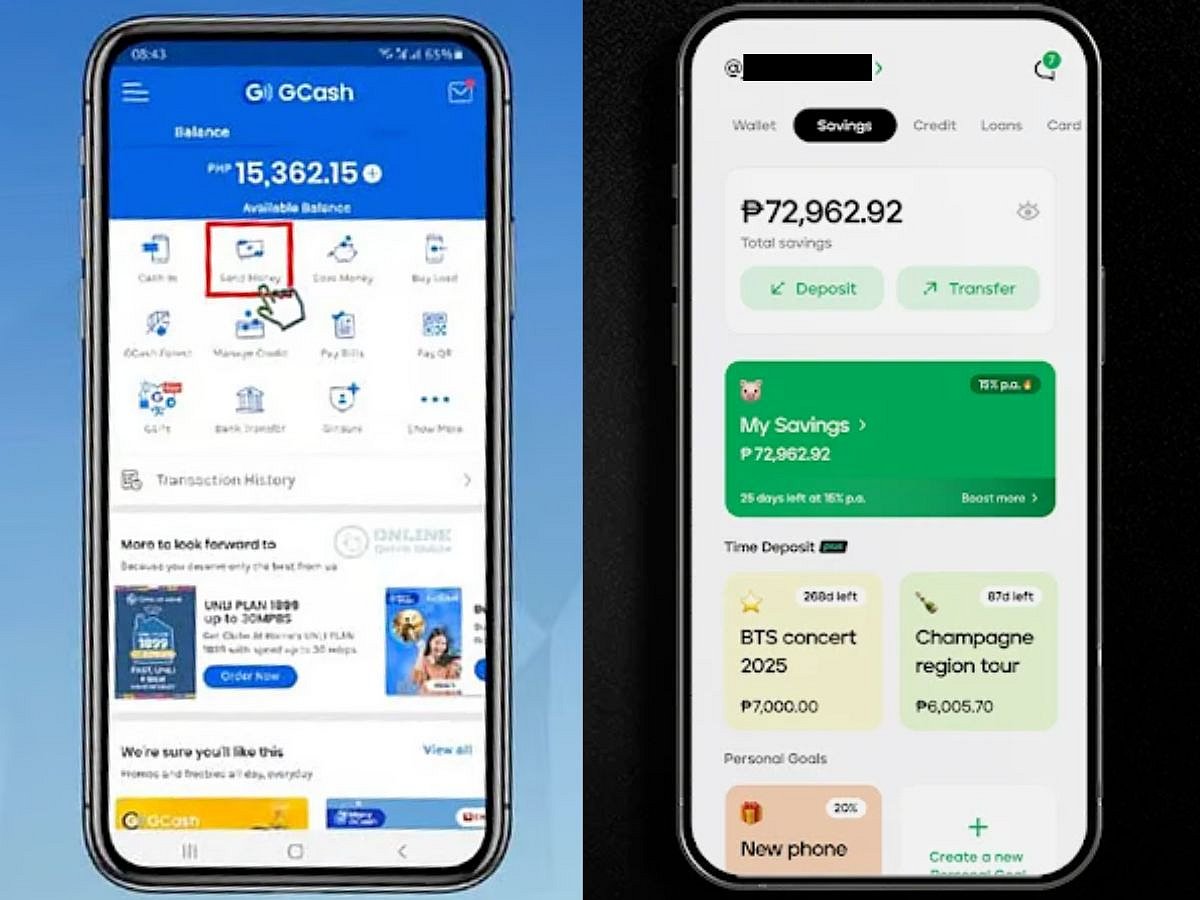
Now, competition between GCash and Maya flourished on shared rails.
What were the results?
The pandemic (2020 to 2022) helped. Then digital cash share hit 52.8% of transaction volume in 2023 and 57.4% in 2024.
Transaction volumes on the rails surged — InstaPay and PESONet together handled trillions of pesos.
BSP exceeded its 50% target early. Now the Philippine central bank eyes 60-70% by 2028.
Why does this matter for other countries?
It demonstrates a lower-cost, less centralising path to digitisation that delivers real volume in everyday person-to-person and merchant payments, according to Forbes.
Experts highlight it as a practical model for emerging markets prioritizing inclusion over novel forms of money.