

CMC MARKETS SINGAPORE2 Central Boulevard
IOI Central Boulevard Towers, #25-03
Singapore 018916
CMC Markets Singapore Pte. Ltd. (Reg. No./UEN 200605050E) is regulated by the Monetary Authority of Singapore and holds a capital markets services licence for dealing in capital market products that are over-the-counter derivatives and leveraged foreign exchange, and is an exempt financial adviser.
Contracts for difference (CFD) are leveraged products and carry a high level of risk to your capital as prices may move rapidly against you. It is possible to lose more than your initial investment and you may be required to make further payments. Countdowns carry a level of risk to your capital as you could lose all of your investment. Invest only what you can afford to lose. CFDs and Countdowns involve the risk of substantial loss and trading such products may not be suitable for all clients therefore ensure you understand the risks and seek independent advice. Please read our disclaimers, risk warning disclosures, terms of business and associated documentation here.
This website uses cookies to obtain information about your general internet usage. Removal of cookies may affect the operation of certain parts of this website. For more information about cookies and how to remove them, please read our cookie policy.
Tax treatment depends on the individual circumstances of each client. Tax law can change or may differ depending on the jurisdiction in which you are resident.
Apple, iPad, and iPhone are trademarks of Apple Inc., registered in the U.S. and other countries. App Store is a service mark of Apple Inc. © 2012 Samsung Telecommunications America, LLC. Samsung and Galaxy S are both registered trademarks of Samsung Electronics Co., Ltd. Android is a trademark of Google Inc. Android is a trademark of Google Inc. Portions of this page are reproduced from work created and shared by Google and used according to terms described in the Creative Commons 3.0 Attribution License or the Creative Commons 4.0 Attribution License (as the case may be).
This advertisement has not been reviewed by the Monetary Authority of Singapore.
US inflation above 4% puts the Fed and AI trade under pressure | CMC Markets | CMC Markets 11 Jun 2026, 13:21
US CPI has risen to 4.2%, putting pressure on the Fed as higher energy costs, bond yields and capital costs challenge AI-led equity valuations.
The 4% inflation risk has materialised
The Polish source warned that US inflation was on course to move above 4% for the first time in three years. That risk has now materialised: the latest Bureau of Labor Statistics release showed May CPI rising 0.5% on a seasonally adjusted monthly basis and 4.2% year on year.
That matters because it changes the tone of the rate debate. Markets had been hoping that inflation would keep drifting lower and eventually give the Fed room to ease policy, but a headline print above 4% makes that story much harder to defend.
Core inflation was more contained, rising 0.2% on the month and 2.9% over the year, but the source’s broader point still stands. Investors are being forced to decide whether the latest energy-driven inflation shock will fade quickly or become embedded in expectations.
Energy and wages are keeping households under pressure
Energy remains the immediate problem. The BLS release showed the energy index rising 3.9% in May, while gasoline rose 7.0% on the month and 40.5% over the past year. The source links that pressure to geopolitical tension around Iran and warns that higher energy costs can shape how households and businesses think about future inflation.
The more uncomfortable part is that wages are not keeping up with the squeeze. The Polish article notes that pay growth is running around 3.0% to 3.5% a year, below the pace of headline inflation. That weakens purchasing power and raises the risk that consumers become more sensitive to every fresh rise in fuel, transport and service costs.
For the Fed, that is a credibility problem as much as a data problem. If consumers start to believe that high inflation is becoming normal again, policy may need to stay restrictive even if parts of core inflation look less alarming.
Warsh faces an early credibility test
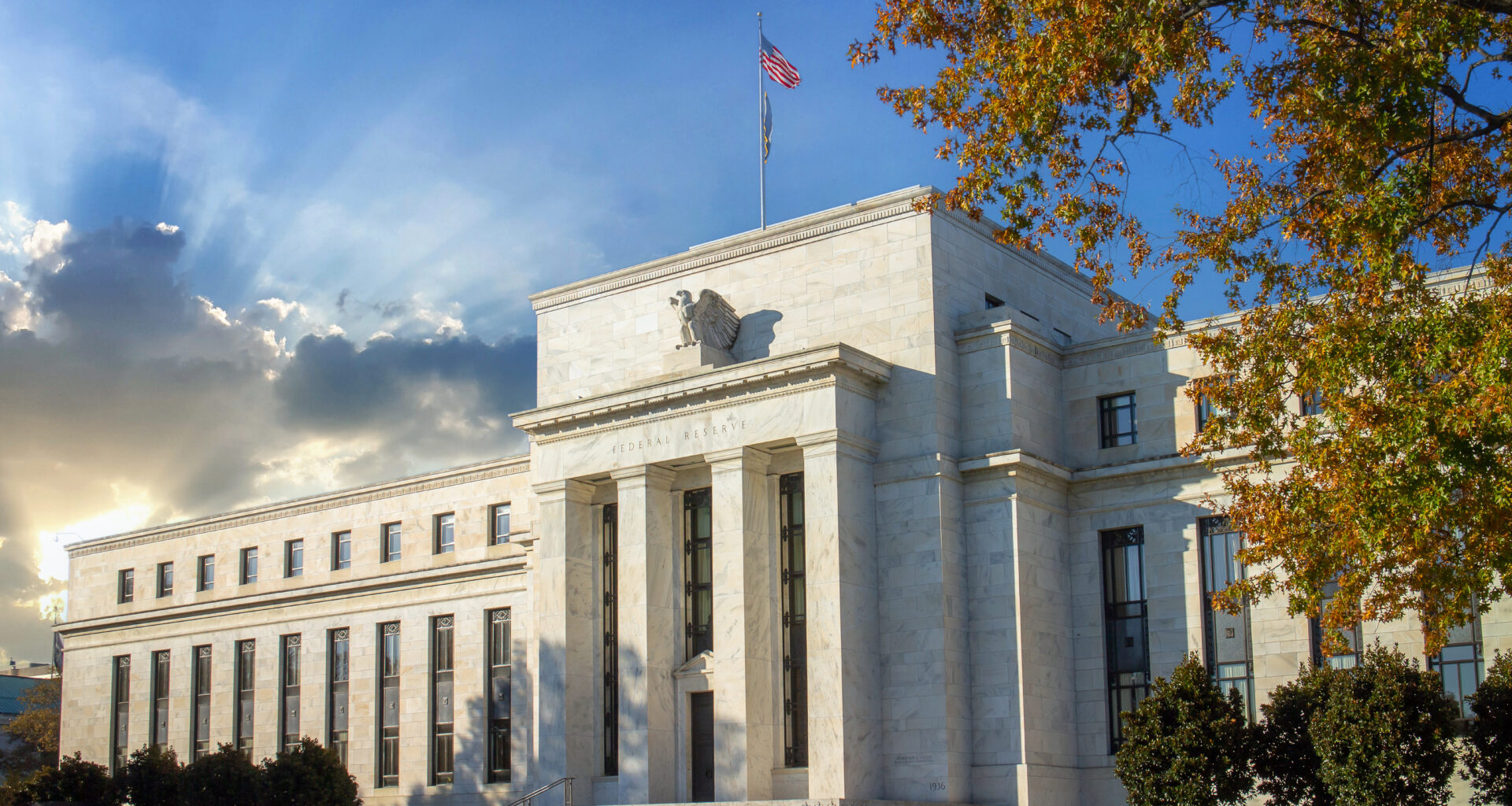
Kevin Warsh has only recently taken over as Fed chair, and the source frames this inflation shock as one of his first major tests. Donald Trump may prefer looser monetary policy and lower rates, but the bond market is sending a very different message.
The Polish source points to US two-year Treasury yields around 4.16%, above the current Fed policy rate of 3.75%. In market terms, that gap suggests traders want evidence that the new Fed leadership is willing to push back against inflation rather than lean too quickly toward cuts.
That puts the next Fed communication under a brighter spotlight. If Warsh sounds too relaxed about inflation, bond yields could stay under upward pressure. If he sounds too hawkish, risk assets may have to price a longer period of tight financial conditions.
The AI trade is more exposed to higher capital costs
The source argues that AI-related technology stocks have looked unusually resilient through recent market stress, but that resilience may become harder to sustain if inflation keeps yields elevated. Higher rates raise the cost of capital, and that matters for companies funding large data-centre, chip and infrastructure investment cycles.
That is where the pressure can reach the Nasdaq 100. If funding costs stay high, companies may need to rely more heavily on equity issuance or accept tighter margins on investment-heavy projects. Either outcome would make rich growth-stock valuations harder to justify.
The market has already started to show more caution. The source notes that the Dow Jones gained 0.17% in the latest US session, while the S&P 500 slipped 0.26% and the Nasdaq 100 fell 0.97%, leaving technology shares as the more obvious pressure point.
Risk appetite has not fully broken yet
The inflation story is not yet producing outright capitulation. The source describes investors as cautious rather than panicked, with buyers still reluctant to abandon the chance of another rebound in risk assets.
That may be why the wider market reaction remains uneven. Asian equities moved lower after Wall Street’s weaker tone, while Poland’s market still managed a modest late recovery despite the broader global tension.
The key signal from here is likely to be the US bond market. If yields keep rising, inflation anxiety may spread more deeply into equities. If they stabilise, the market may treat the CPI shock as uncomfortable but still manageable.