
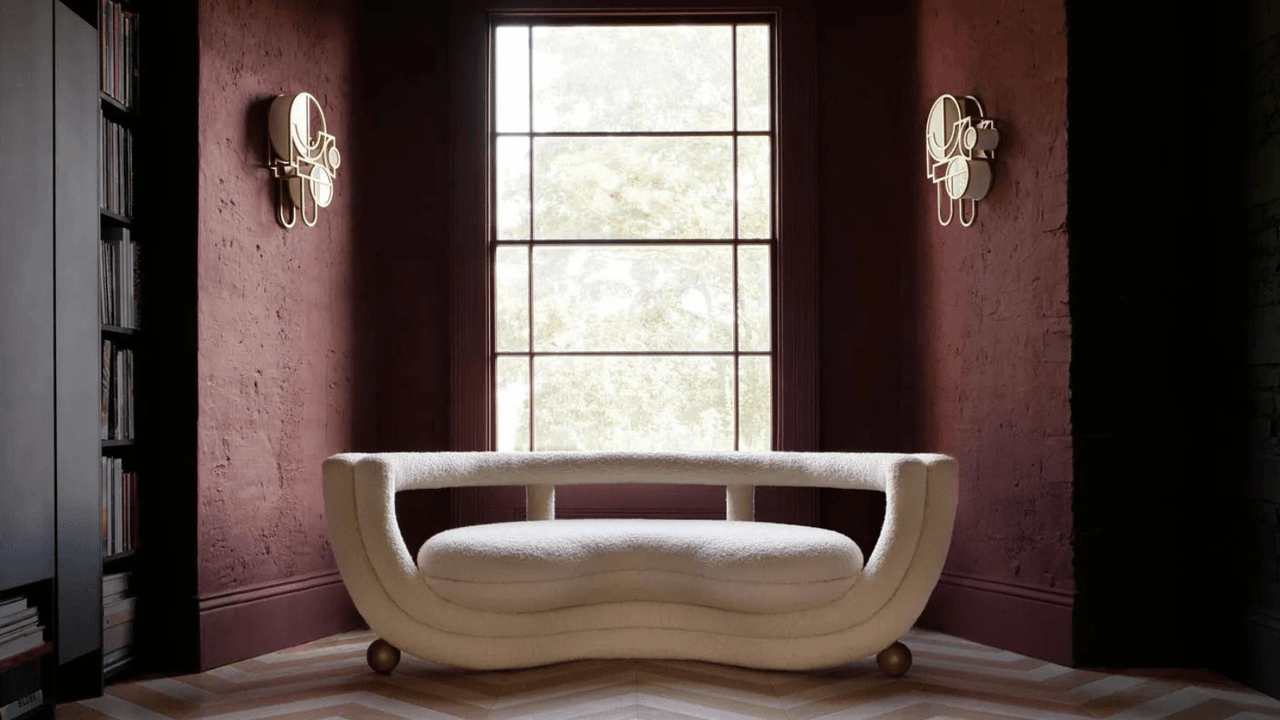
You may not have known the name for it until now, but you have almost certainly seen it. Furniture that looks gently inflated, lamps with softened, almost swollen silhouettes, chairs that feel more sculpted than structured. Known formally as “neotenic” design, or colloquially as “chubby,” this aesthetic is currently colonising interiors, fashion and even technology. And, as with most aesthetic shifts, it does not exist in isolation. There is a broader cultural softening underway, one that favours comfort, tactility and emotional resonance over rigidity and restraint.
At its core, neoteny is less a design invention and more a biological reflex. The concept actually stems from Kindchenschema, a term coined by ethologist Konrad Lorenz in the 1940s to describe the features we associate with infants, such as large eyes, rounded limbs and soft contours, which instinctively trigger a nurturing response in humans. The architectural logic is simple: we are biologically programmed to seek out the curve. The appeal of a rounded edge is visceral; we are hardwired to respond to forms that feel approachable rather than severe.
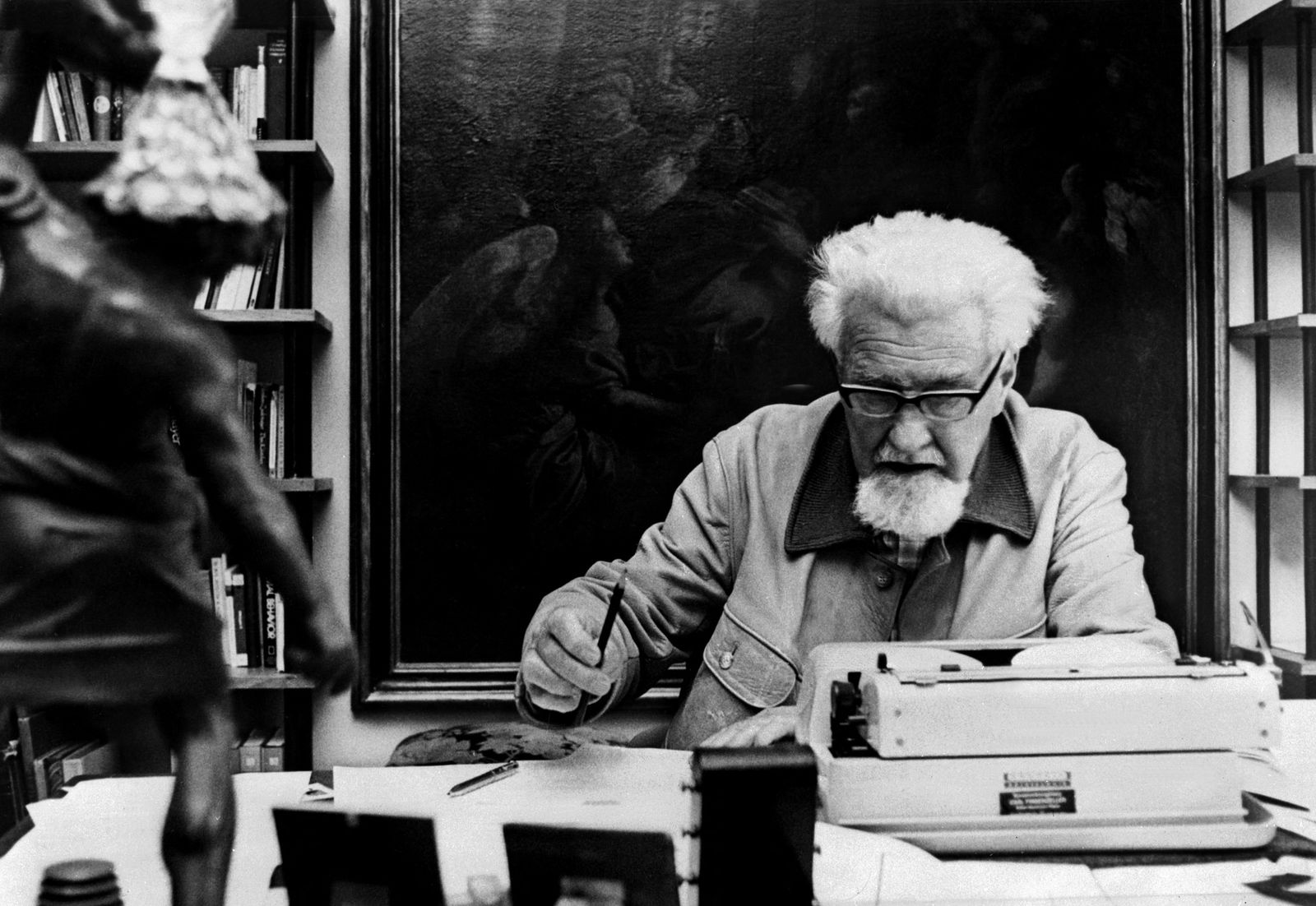
Ethologist, Konrad Lorenz.
-/Getty Images
“Rounded forms are instinctively attractive to us because they echo the language of the body,” explains Lara Bohinc, founder of Bohinc Studio, whose work often explores curving, sculptural forms. “A swollen curve, a soft volume, especially in exaggerated proportion, feels familiar in a very physical way. There is an almost biological recognition happening before we even think about it intellectually.” Bohinc’s most recent collection, Anima, explores cocooning, landscape-like forms, building on a wider body of work that includes the patisserie-inspired spheres of Afternoon Tea, the bodily, silhouettes of Peaches, and the cell-like, organic structures seen in Utopia.
.jpg)
Bohnic Studio’s Peaches chair.