
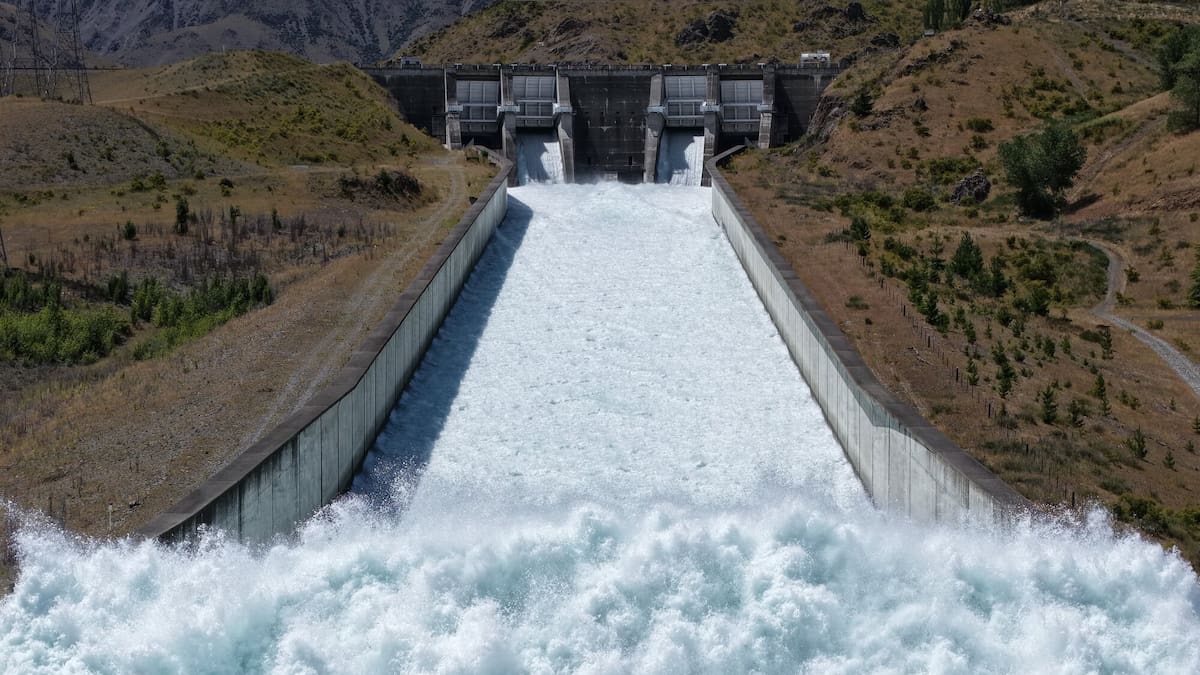
Last week, Genesis Energy said high hydro lake levels would allow it to shut its gas-powered turbine, the 400 megawatt Unit 5 at Huntly, to make gas available to commercial and industrial users over the second half of this year.
Current hydro conditions are in stark contrast to winter 2024, when low gas supplies and a dry and calm winter drove prices up to $820 a megawatt hour (MWh), forcing some factories to close and prompting calls for system changes.
Prices towards the end of last week were at around $60 to $70MWh.
Low wholesale powers rarely translate into lower power bills for retail customers because of the hedging contracts that protect customers from sharp price spikes.
Separately, power distribution prices or lines charges have risen sharply and will continue to rise to fund Transpower’s increased investment in the power grid.
Industrial contracts are guided by the ASX futures market, which shows prices easing over the next three years because of the increased investment in new power projects and last year’s deal between the big power generators to support Genesis Energy’s coal and gas-fired Huntly Power Station.
In its update, Meridian national hydro storage increased from 119% to 125% of historical average in the month to June 8.
South Island storage increased to 120% of average and North Island storage decreased to 160% of average by June 8.
National electricity demand in May 2026 was 1.7% higher than May 2025.
Excluding New Zealand Aluminium Smelters (NZAS), demand in May was 0.6% higher than in May 2025.
NZAS’s average load during May 2026 was 576MW, compared with 523MW a year ago, when Meridian and NZAS had agreed a 50MW demand response reduction deal.
Meridian’s retail sales volumes in May 2026 were 7.8% higher than May 2025.
Compared to May 2025, segment sales in residential were 20.4% higher, small medium business were 6.7% higher, large business 8.3% higher, agriculture 9.7% higher and corporate 1.2% higher.
Earlier this month, Meridian said it might soon be allowed to take more water from Lake Pūkaki for power generation after receiving a draft decision from a fast-track panel.
The company had sought approval under the Fast-track Approvals Act to allow access to water stored between 518m and 513m above sea level before the point where Transpower estimates there is a 4% risk of electricity shortage.
Jamie Gray is an Auckland-based journalist, covering the financial markets, the primary sector and energy. He joined the Herald in 2011.
Stay ahead with the latest market moves, corporate updates, and economic insights by subscribing to our Business newsletter – your essential weekly round-up of all the business news you need.