

Tony Gill is 35, and in the last two years alone, has been able to amass a pension pot worth over £60,000.
Tony is an economics and business studies teacher at an independent school, and for years, he was enrolled in a generous defined benefit (DB) pension by his employer, which provides staff with a guaranteed income for life.
But after a shake-up to the scheme in 2019 and 2024, many private schools – including Tony’s – switched to providing a defined contribution (DC) scheme where employees save into their own pension pot that they then need to make last throughout retirement.
Shorts
Scroll to previous short
Scroll to next short

How to resolve the biggest rows that can end marriages
Private school, sex and housework can be some of the biggest causes of tension between warring couples.
Mike Talbot, a psychologist, and chief executive of UK Mediation [below], reveals how to fix them.

What couples row over
Parenting and schooling
 Young couple having an argument. Woman is angry with man. – stock photo. (Photo: Getty)
Psychologist Mike Talbot says parenting can expose ideological differences in a couple. He encourages people to listen to each other, and find a “third way”, something that they come up with between themselves, rather than sticking to one person’s opinion.

OPINION
3 min read
Money (or a lifestyle)
 Caption: A mature couple sitting in bed and looking at each other angrily after a disagreement
Photographer: kupicoo
Provider: Getty Images
Source: iStockphoto
It’s common for couples to disagree on their property or finances.
Couples might have different ideas about what the best plan of action is for the future.
Dr Talbot says its important to find “common ground” on what both parties wish for, or worry about.

Agony Uncle
5 min read
Incompatibilities around sex
Dr Talbot has seen this when one person loses their sex drive. “It can happen when the couples get older, and she loses her sex drive during menopause, whereas the guy’s still as randy as he was when he was 20.”
 Caption: Young couple having relationship difficulties at home. Both about 25 years old, Caucasian people.
Photographer: GoodLifeStudio
Provider: Getty Images
Source: E+
Copyright: DAMIR MIHAJLOVIC
 Caption: Millennial black lady vacuuming floor while her husband watching TV, not helping her with household duties, cropped view. Unrecognizable young couple having problem with domestic chores
Photographer: Prostock-Studio
Provider: Getty Images/iStockphoto
Source: iStockphoto
Domestic workload
We get people disagreeing about how tidy the house should be, how neatly dressed the kids should be…
This goes back to the gender stereotypes.
The solution is to focus on value and to get the couple to think about the conflict in a different way.
Being a grandparent
is complicated

Celia Dodd, who looks after her grandchildren two days a week, says
there’s a fine line between being supportive and interfering.
Here she shares the things she’d never say or do with her own family.
What grandparents should never do
Ignore parents rules
It’s important to know what’s expected rather than second-guessing what the parents want, and possibly getting it wrong.
 (Photo: Getty)
 Caption: Parents and young child moving into a new house, unpacking belongings from cardboard boxes
Photographer: Vladimir Vladimirov
Provider: Getty Images
Source: E+
Send endless snaps
Friends understandably get irritated if you keep sending photos and long videos, especially if they’re longing for grandchildren of their own.
 I’ve made it very clear to my own daughter that if she needs full time childcare, she’s going to have to sort that out herself (Photo: PeopleImages/ Getty)
What not to say
I wouldn’t do it like that…
The golden rule for grandparents – don’t offer advice unless it’s asked for, and never interfere – is almost impossible to get right.
You might feel like – how can you not interfere when you’re doing your best to support the family? It’s a fine line, and there are times when you’re bound to get it wrong.
What grandparents should never do
 Grandchild, twilight parenting, grandparents, grandmother, baby, exhausted, tired – stock photo. (Photo: Getty)
Assume involvement
Although it’s a shock, it’s simply not on to drop in whenever you feel like it.
Beat yourself up
Being a grandparent is never 100 per cent bliss, despite what people say. Childcare can be boring as well as fulfilling.
 (Photo: Paul Bradbury/Getty).
 Naps before 1pm can lead to better cognitive performance in the following hours (Photo: Lord Henri Voton/Getty Images)
Admit tiredness
I don’t want them to stop asking me to babysit, and I certainly don’t want them suggesting I’m doing too much.
What grandparents should never do
Forget the years fly
Grandparents have to keep finding new ways to keep the connection close, by tapping into what your grandchild loves doing.
 Conflict of family two generations old mother and adult daughter – stock photo. (Photo: Getty)
 Grandparents and their young grandchildren relaxing at home – stock photo. (Photo: Getty)
Dismiss the parents
Even if you don’t agree with the way things are done – like using gentle parenting –
it’s a big help to understand why they are doing it rather than just dismiss them.
The price, size and variety of eggs differ
But which is the best value
for money and taste?
Food Editor Sophie Morris
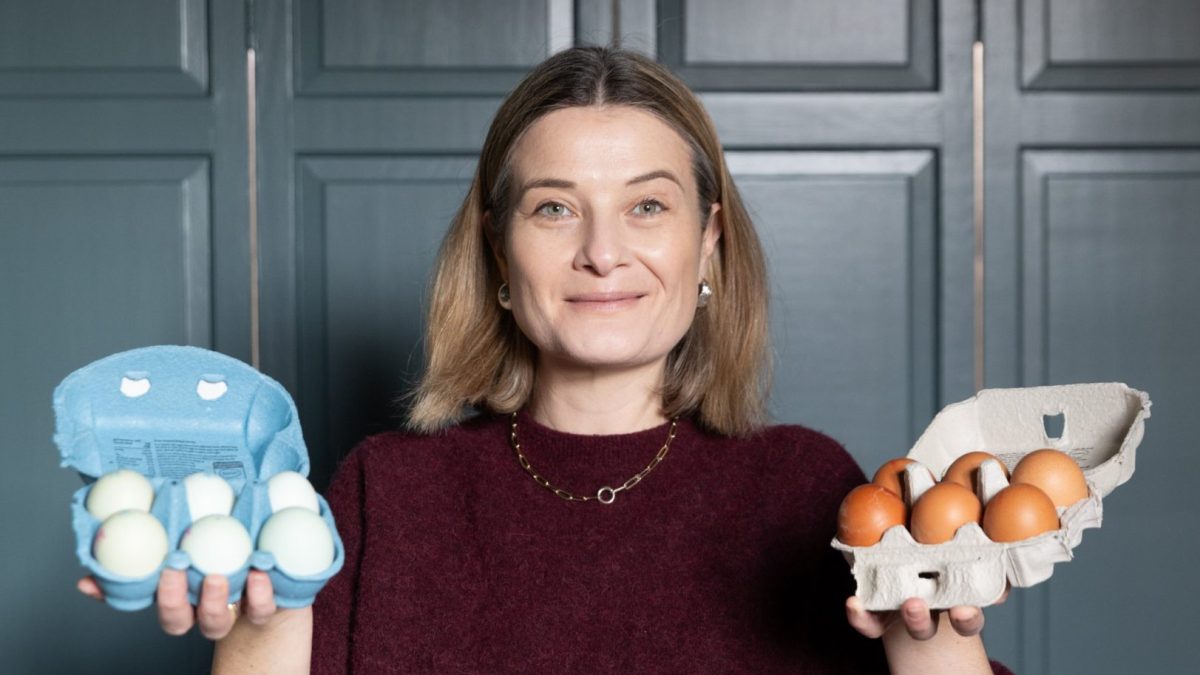
tested 15 supermarket packs, scrambled and fried.
Her findings? The most expensive wasn’t the best.
Supermarket eggs taste test
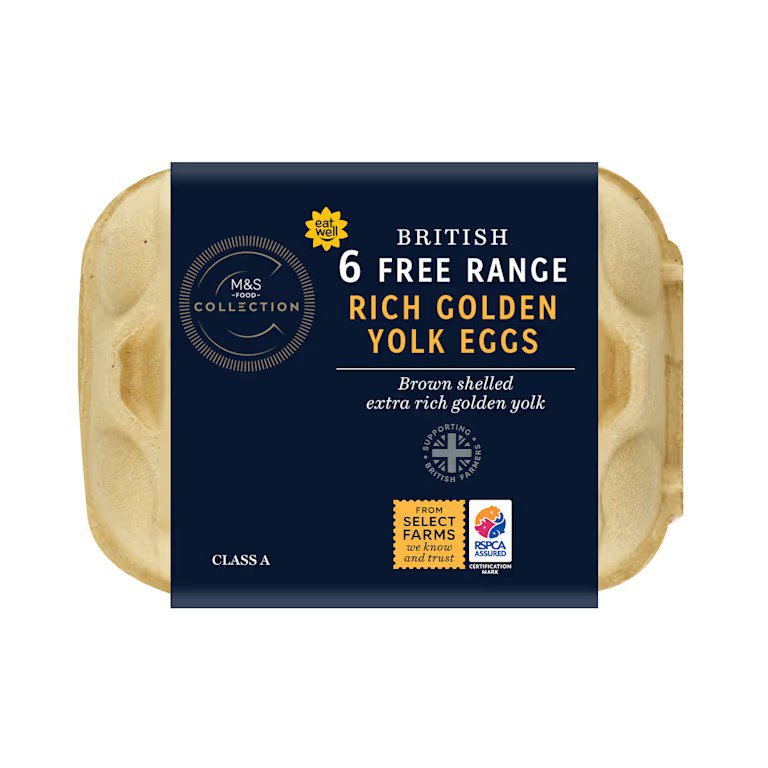
M&S Golden Yolk Eggs
These shells win the beauty contest and the yolk colour is amazing when scrambled. 4/5
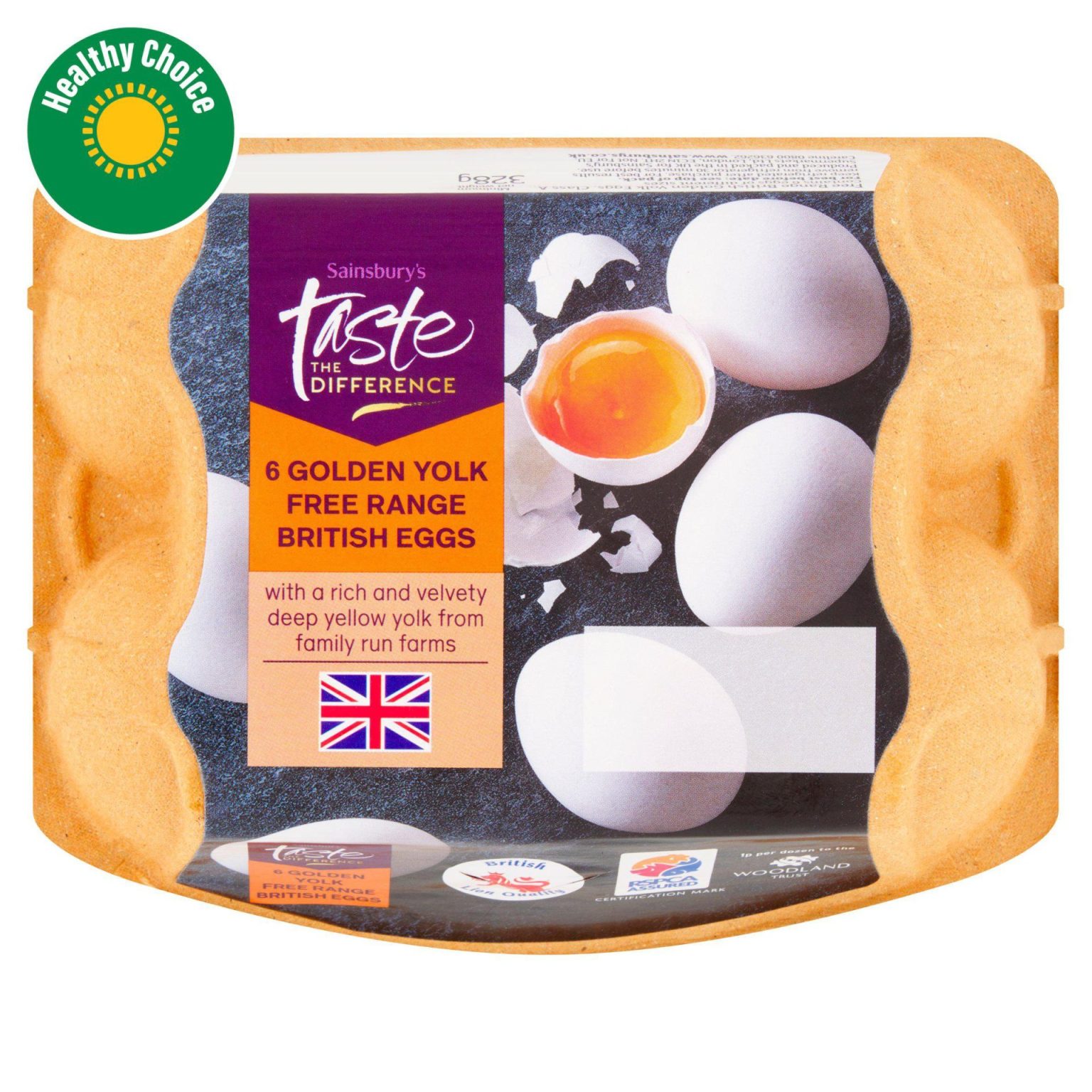
Taste the Difference
These Sainsbury’s eggs taste as good as they look with gorgeous orange middles and a rich flavour. 4/5
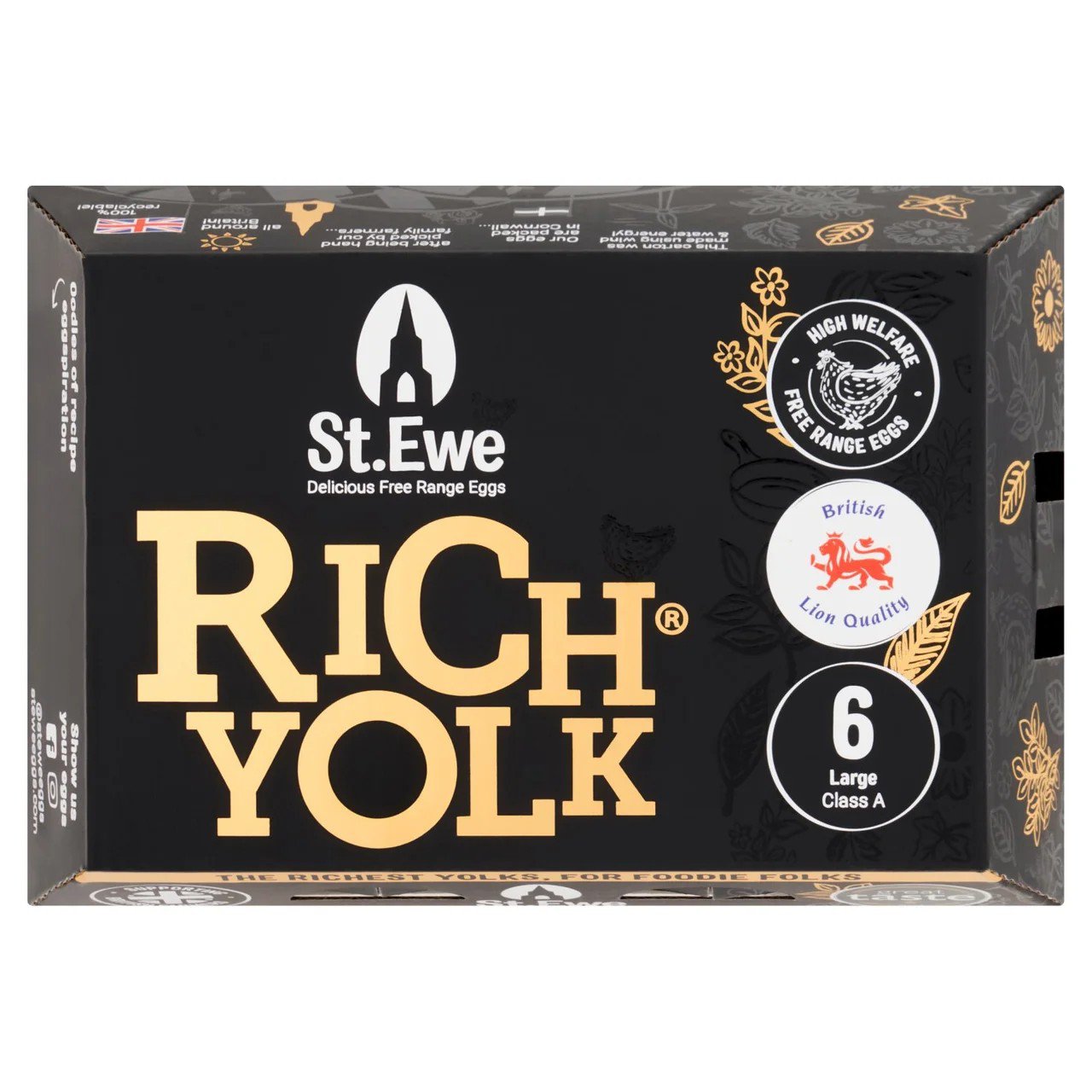
St Ewe Rich Yolk Eggs
These are “higher welfare” free-range eggs but the yolks taste no better than other high-end eggs, says Morris. 4/5
Supermarket eggs taste test
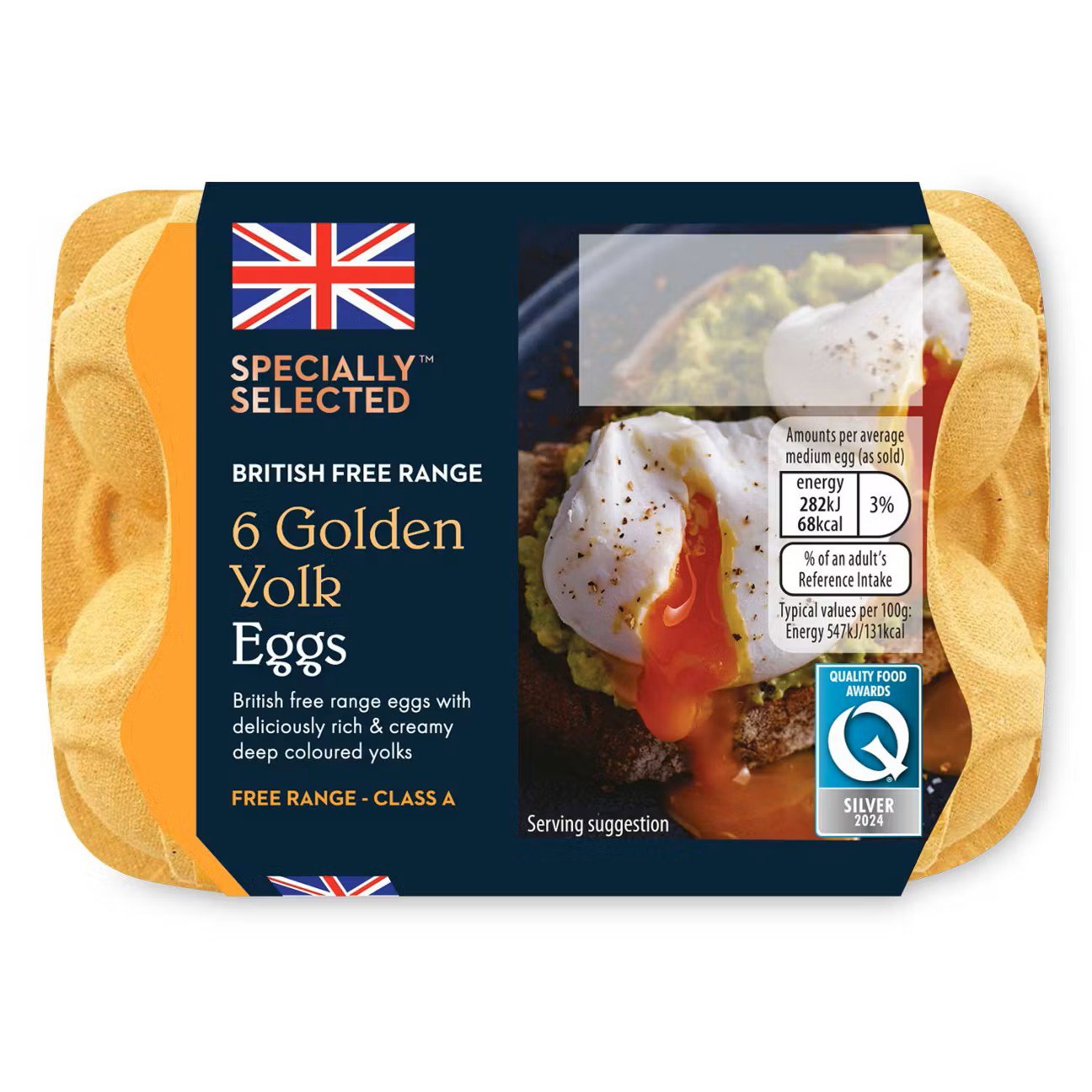
Aldi Golden Yolk Eggs
Winner! The Specially Selected eggs are a great price with a delicious yolk. 4/5
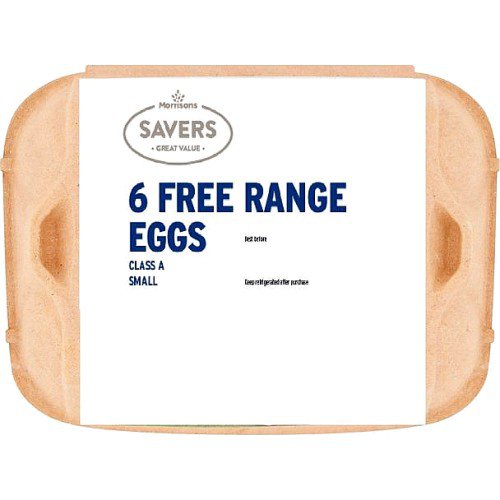
Savers Small Eggs
Morrisons Savers eggs are great for the price (£1.10) but not rich in flavour. 3/5
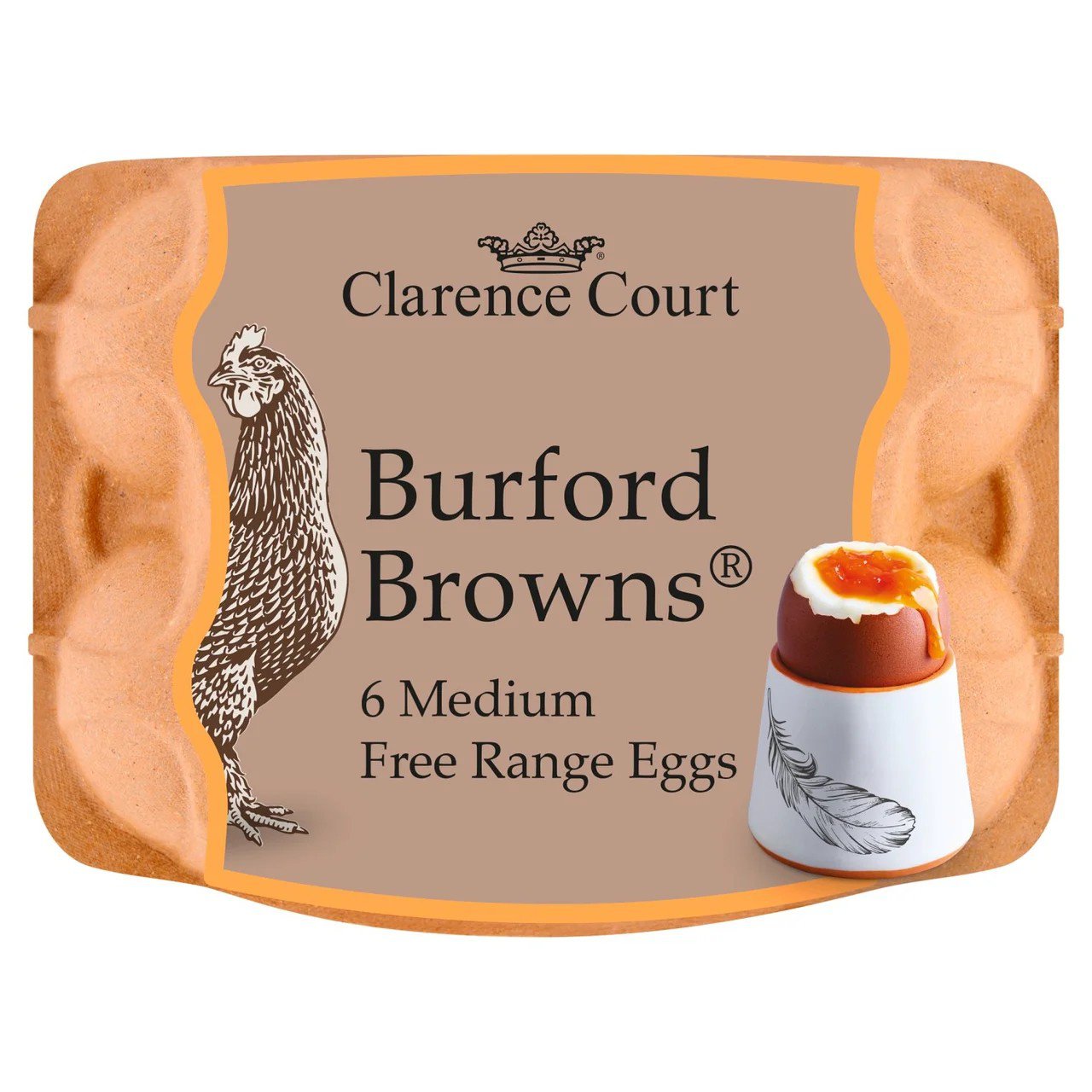
Burford Brown Eggs
They taste great, but not noticeably better than the other high-end eggs. The spend is more to do with branding. 4/5
Supermarket eggs taste test
7Tesco Finest Bluebell Aruacana
The pale blue shells won me over but the insides are just as rewarding with a rich flavour.
4/5
8Waitrose Duchy Organic Eggs
Their sunny yellow middle scrambles beautifully into light, fluffy folds.
4/5
9Lidl Deluxe Golden Yolk Eggs
They’re a great deal and the yolk is a lovely bright orange and the taste is rich and eggy.
3.5/5
Supermarket eggs taste test
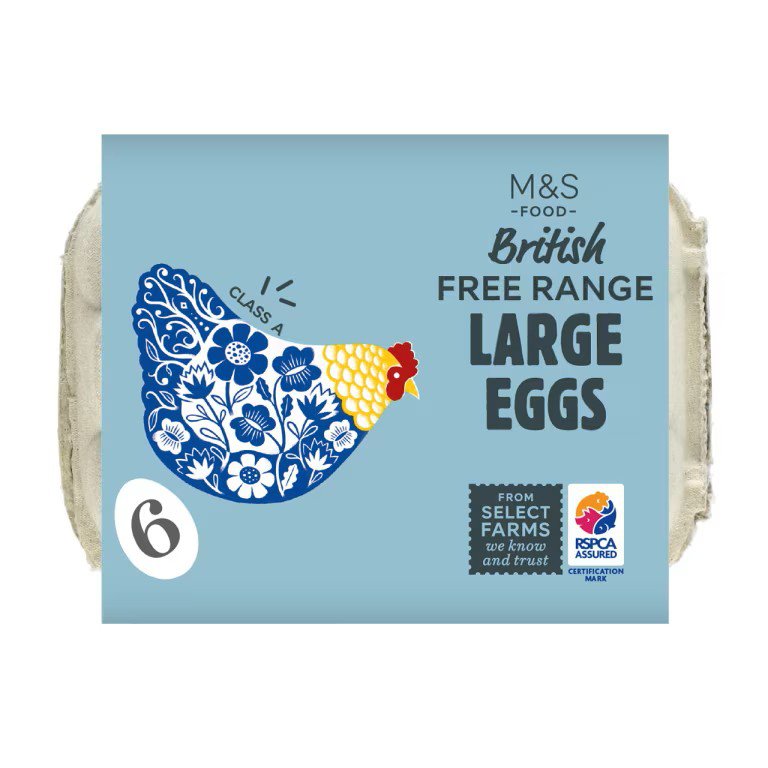
M&S British Free Range Eggs
Large eggs with brown shells and a light orange yolk and they’re a great price for high-welfare large eggs. 4/5
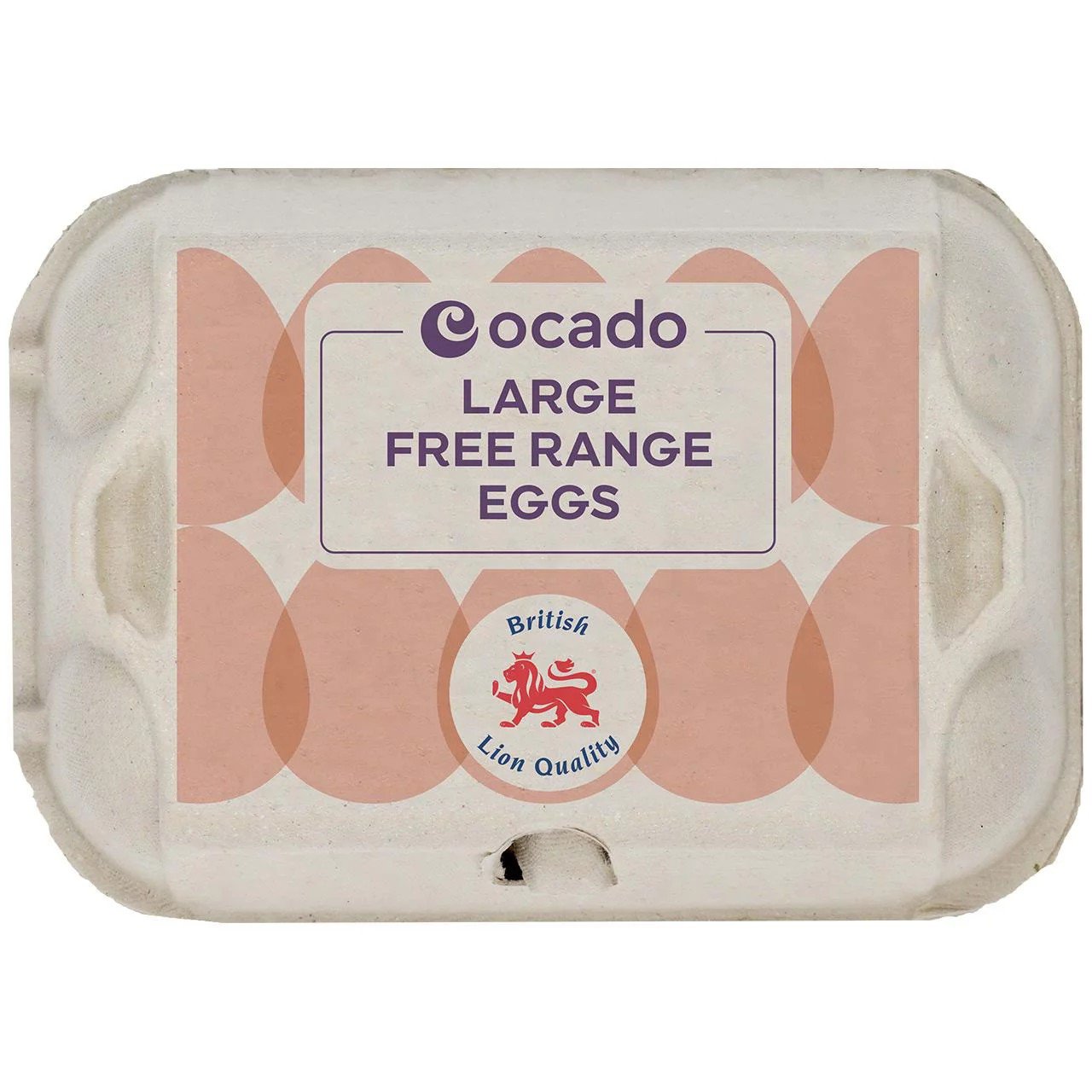
Ocado Large Free Range Eggs
These are the best value large eggs that I try. The yolks are a dark yellow and the eggs turn out a lovely rich and fluffy scramble. 4/5
Supermarket eggs taste test
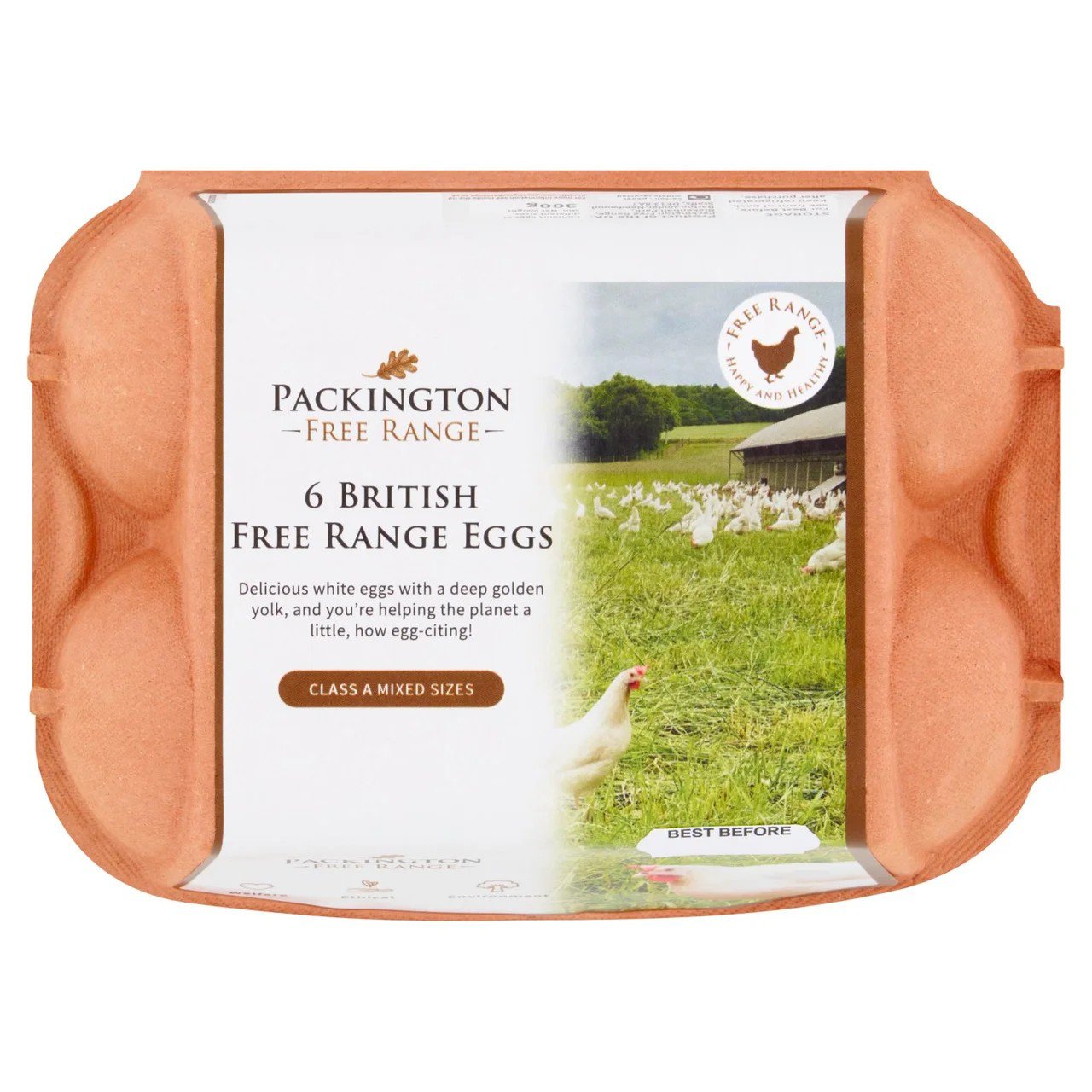
Packington British Free Range Eggs
Pretty white eggs with a yellow yolk that taste fine but, given the price, I expected a little more. 3.5/5
Supermarket eggs taste test
Waitrose No.1 Longstock Gold Eggs
They are delicious: meltingly rich, they scramble into fat folds. They have beautiful green shells, almost too pretty to eat. 4/5
 Caption: Eggs are seen in a carton on Monday, April 13, 2026, in Portland, Ore. (AP Photo/Jenny Kane)
Photographer: Jenny Kane
Provider: AP
Source: AP
 Caption: A detail of cracked egg falling into the pan as woman holds egg shells in both hands.
Photographer: SimpleImages
Provider: Getty Images
Source: Moment RF
Asda Organic Mixed Size Eggs
The yolk is a pale yellow and when scrambled the result is an unappealing yellowish grey colour. These are the most bland-tasting of the lot. 2/5
Food inflation could reach as much as 10 per cent by the end of 2026
Why you should stockpile
The modern food system is incredibly efficient – but that efficiency depends on a constant flow and just-in-time delivery. Stockpiling, at its best, isn’t panic buying. It’s creating a small buffer between us and a system that was never designed to pause.
Séamus Higgins, author of Food and Us: The incredible story of how food shapes humanity
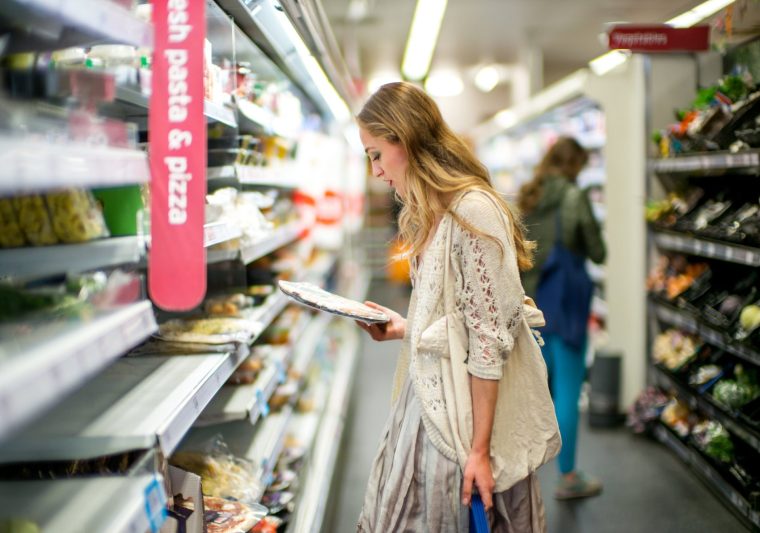 Supermarkets will find ways of holding down the price of the basics, and try to make their money on the fancy lines (Photo: Roy James Shakespeare/Getty)
What you should consider buying
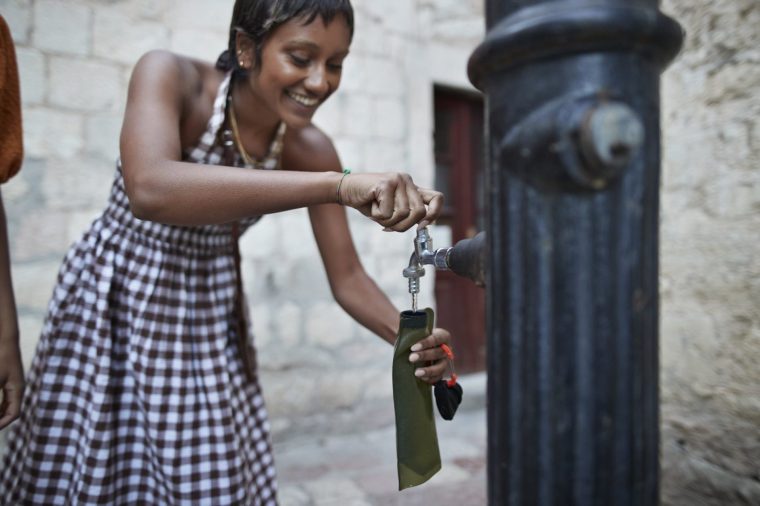 Tap water is generally safe to drink in Europe (Photo: Klaus Vedfelt/Getty)
Bottled water
While we are accustomed to free-flowing water, in recent years, supply has failed for a number of days in many areas of the UK.
Canned essentials
Morris keeps tomatoes, beans, pulses, chickpeas, lentils and fish in her cupboard.
 Chickpeas are a great source of protein (Photo: Christian Mouysset)
 Many of us like to add milk to our tea, so you may be wondering whether that affects its benefits (Photo: Maca and Naca/Getty)
Tea and coffee
As prices vary, and are increasing, it’s good to bulk buy if you can.
What you should stockpile
Dried goods
A base of dry goods, like rice, pasta, oats and flour, are the backbone of a reliable pantry. Make sure bags are stored correctly and replace them when they go out of date.
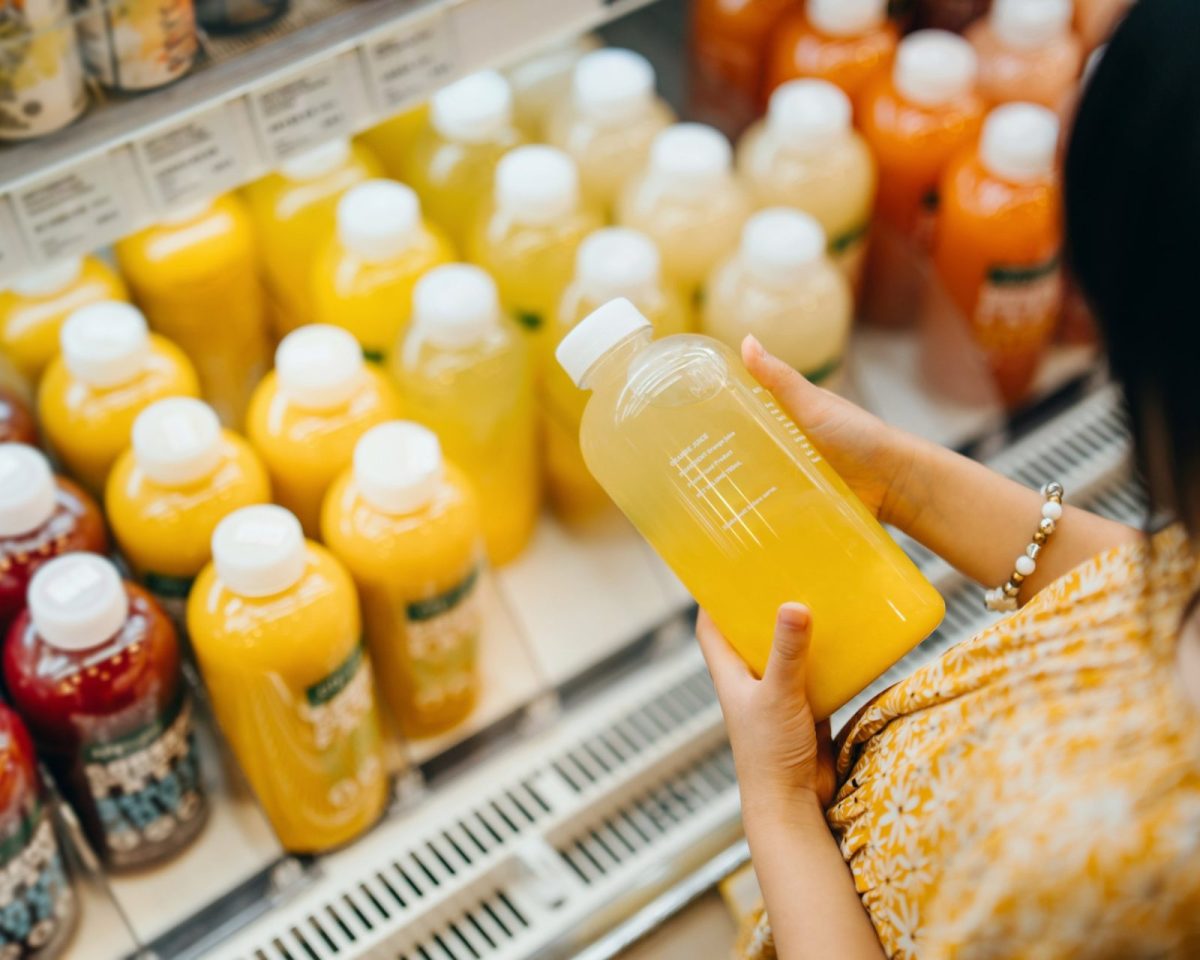 Caption: Asian girl grocery shopping in supermarket. She is choosing fresh fruit juice along the beverage aisle, reading the nutrition label and checking ingredients on the bottle. Making a healthier food choice and balanced diet. Healthy eating lifestyle
Photographer: d3sign
Provider: Getty Images
Source: Moment RF
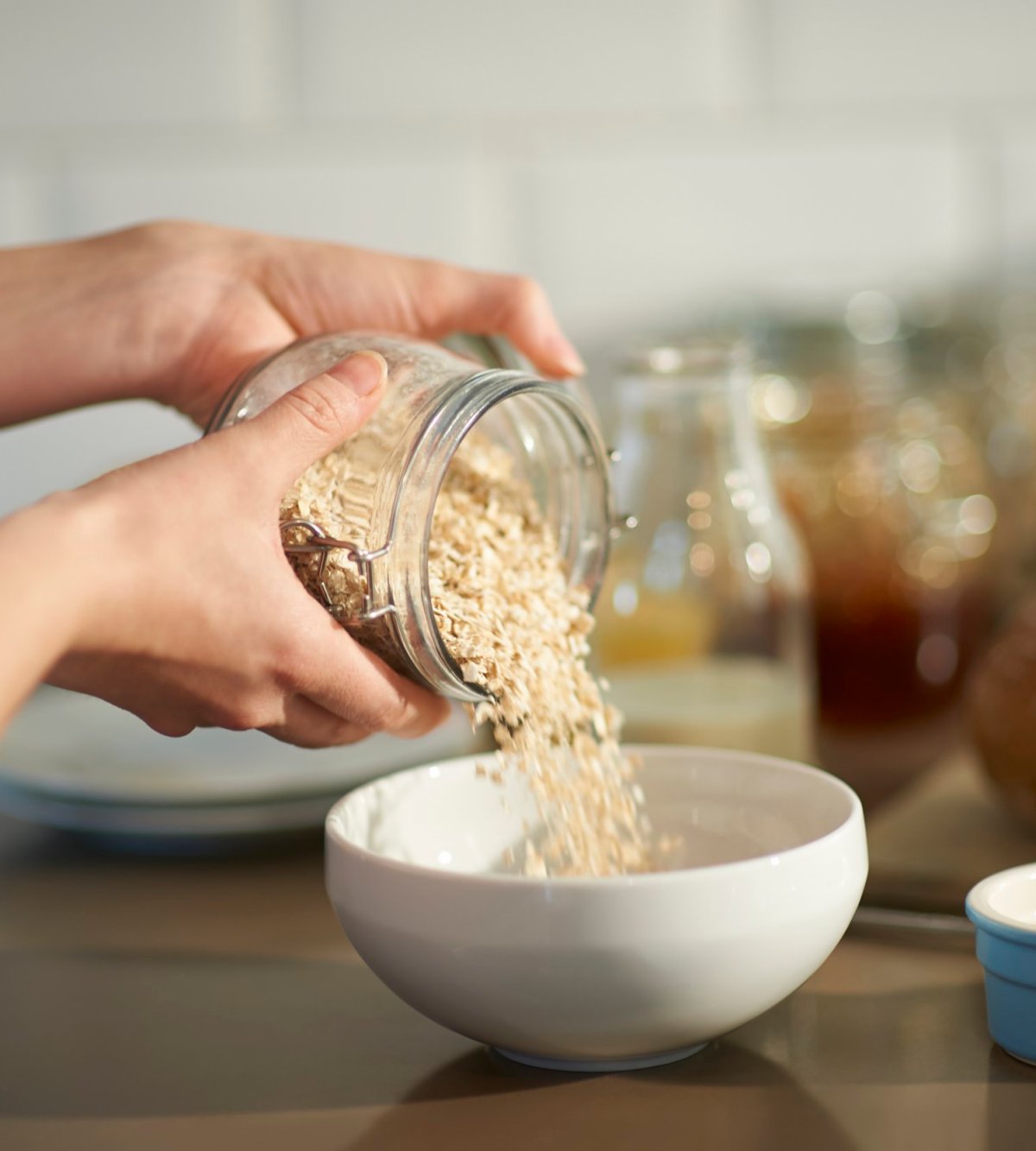 Caption: Close up of a woman preparing a wholesome breakfast by pouring oats into a bowl from a plastic free jar with fresh berries.
Photographer: Dougal Waters
Provider: Getty Images
Source: Digital Vision
Copyright: Dougal Waters Photography Ltd
UHT drinks
UHT dairy, squash and long life milks and juices are worth keeping for emergencies.
What you should stockpile
A well-stocked freezer is also important, but it doesn’t need to be a huge space.
Focus on versatility and rotation in fruit, veg, fish and bread, and buy what you’ll use.
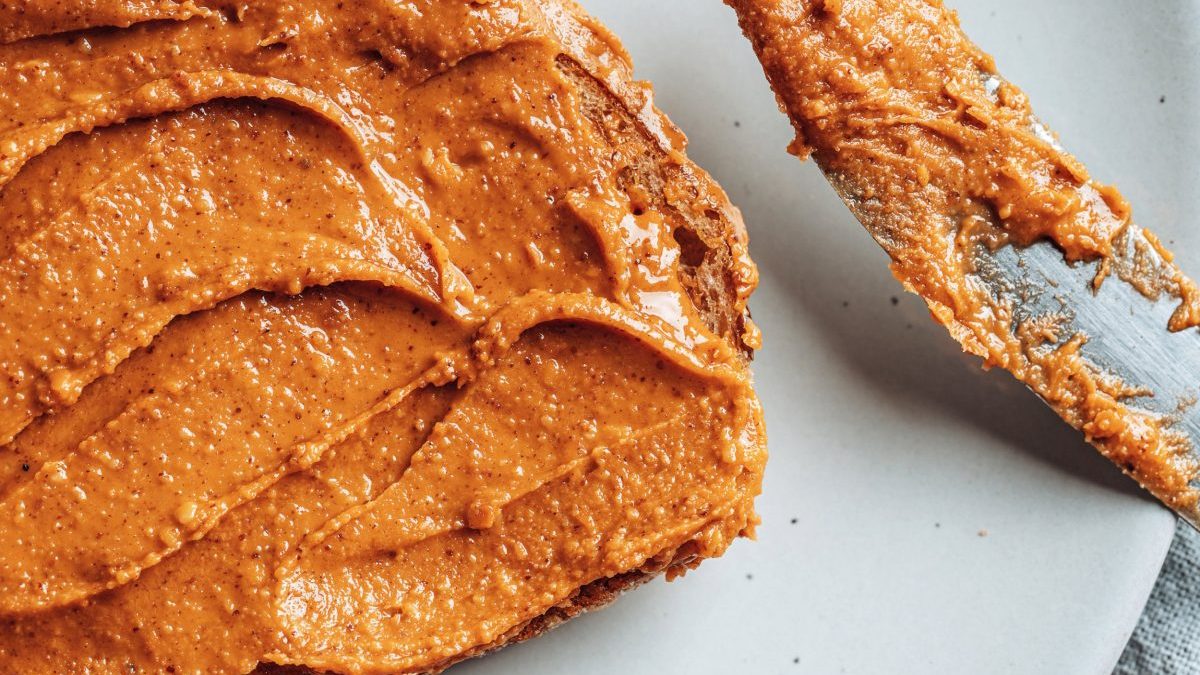 Caption: Close-up of peanut butter on toasted bread on light gray plate. Food background.
Photographer: Yuliia Zaitseva
Provider: Getty Images/iStockphoto
Source: iStockphoto
Peanut butter, or a jarred treat like jam or Nutella, is also a good idea.
Nut butters are a great source of protein, fibre, has a long shelf life and can be used on savoury and sweet foods.

Want to slow down brain ageing? Try a hobby
The hobbies that slow brain ageing
Practise a musical instrument
A study of 108 amateur musicians in the journal Annals of the New York Academy of Sciences found those with more musical experience had better attention control.
 Caucasian mid adult patient writing a diary while recovering in the hospital ward – stock photo. (Photo: Getty)
 Caption: IVANO-FRANKIVSK, UKRAINE – NOVEMBER 13, 2022 – Musicians of the NAONI Orchestra (National Academic Orchestra of Folk Instruments of Ukraine) hold a concert at the Ivan Franko Academic Regional Ukrainian Music and Drama Theatre in Ivano-Frankivsk, western Ukraine. (Photo credit should read Yurii Rylchuk / Ukrinform/Future Publishing via Getty Images)
Photographer: Future Publishing
Provider: Future Publishing via Getty Imag
Source: Future Publishing
Journal in the evening before bed
Reflecting on your day supports your memory as you’re rehearsing the things you’ve done, especially if you do it with pen and paper, says Prof Catherine Loveday, author of The Secret World of the Brain.
The hobbies that slow brain ageing
 The flowering gardens at Cawdor Castle (Photo: Dennis Barnes/Getty/Stockbyte Unreleased)
Garden for 20 minutes
Connecting with nature replenishes cognitive resources and boosts vitamin D levels, says Loveday.
Join a knitting group
Knitting improves coordination and working memory – your brain’s ability to store and use information according to the British Journal of Occupational Therapy.
 Senior female friends spending leisure time knitting while sitting at table in retirement home – stock photo. (Photo: Getty)
 As society sees the largest ever intergenerational shift of assets, younger clients will need people they can relate to, instead of relying on AI and social media for financial advice (Photo: Getty)
Learn a language
Learning a second language helps improve our ability to retrieve words.
The hobbies that slow
brain ageing
Games, like Minecraft, helps improve spatial representation, speed and reaction times.
Reading fiction twice a week stimulates the language parts
of the brain, says Loveday.
One study also found that chess players had better cognitive reflection and greater focus.

LIFESTYLE
5 min read
Why crossing your legs could be bad your health…
It’s one of those every day moves that we rarely think twice about – especially when sitting for longer periods – but it could be inadvertently contributing to your back pain, high blood pressure or even issues like infertility.

Why you shouldn’t cross your legs
The fact it’s comfortable doesn’t mean it’s good for us
62%
of people prefer to cross their right over their left leg.
While 26 per cent cross their left over the right and 12 per cent have no preference.
S shape
The natural shape of the spine when stood up is an S-shaped curve.
But when we sit in a chair with our feet flat on the ground our pelvis is rocked backwards creating a C shape.
 In some people, blood pressure stays high despite medication, and hormones may be the reason (Photo: Tatiana Maksimova/Getty Images/Moment RF)
How does it impact blood pressure?
We’re restricting venous return of blood from peripheral tissues like the foot going back to the heart.
Says Adam Taylor, Professor and Director of the Clinical Anatomy Learning Centre, at Lancaster University.
Although your blood pressure should drop once you move from the position, it can have longer term impacts if you have pre-existing conditions like diabetes.
How it can impact the nervous system
In extreme it can
lead to a phenomenon
called foot drop.
 Senior woman on sofa feeling and suffering from back pain. – stock photo. (Photo: Getty)
Over the short term crossing can give you pins and needles. If you leave it there for half an hour, an hour, or longer, you can actually interfere with the muscular function of the muscles, says Taylor.

LIFESTYLE
5 min read
How it impacts posture
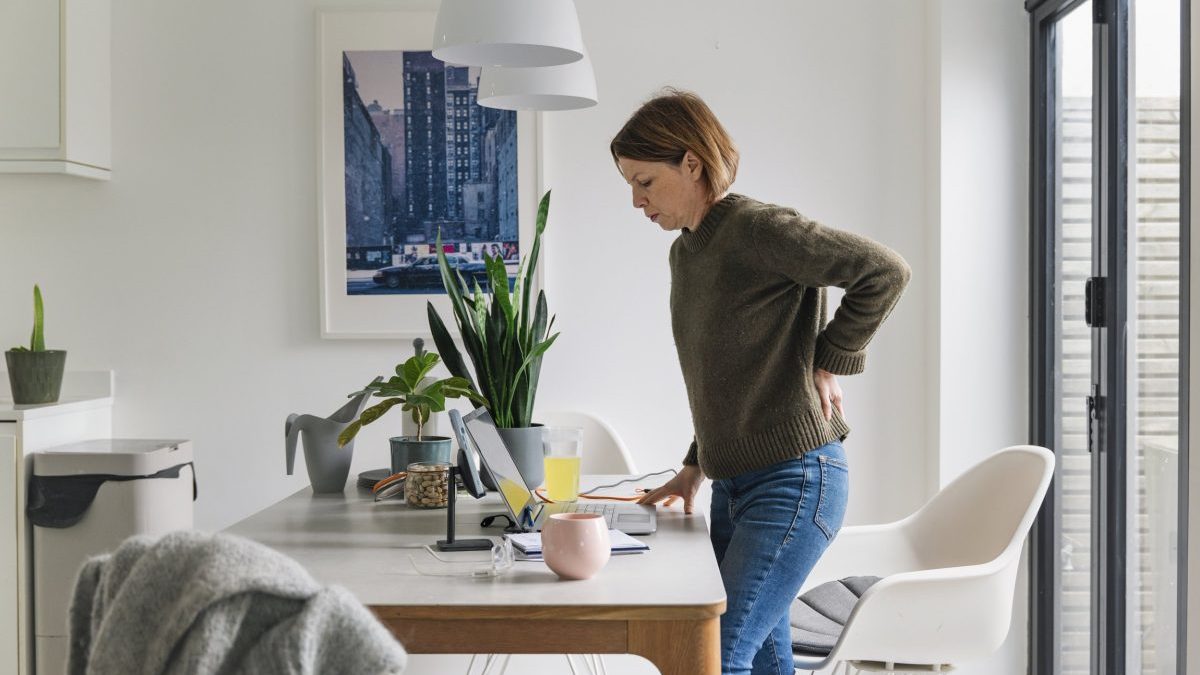 (Photo: Justin Paget/ Getty).
Sam Bhide, advanced physiotherapy practitioner, believes the main impact of sitting cross-legged is gluteal tendonitis, resulting in moderate to severe hip pain.
One study found that sitting cross-legged leads to a bent and asymmetrical posture and other research shows it increasing the misalignment of the hips.
How it impacts fertility
We know that crossing your legs warms up the groin area by somewhere in the remit of three degrees. If you are a man who sits with your legs crossed for a prolonged period of time, that is not good for sperm production.
ADAM TAYLOR, PROFESSOR AND DIRECTOR OF THE CLINICAL ANATOMY LEARNING CENTRE
 (Photo: Andrew Matthews/PA).
How to fix it
 Caption: Incorrect seated posture.
Photographer: Science Photo Library
Provider: Getty Images/Science Photo Libra
Source: Science Photo Library RF
Get out of the habit
If crossing our legs is the cause, then the obvious solution is to do it less.
Microbreaks
Take time off from sitting, and put your musculoskeletal system through a normal range of motion.
 There are many ways to improve your finances this Easter (Amr Bo Shanab/Getty Images/fStop)
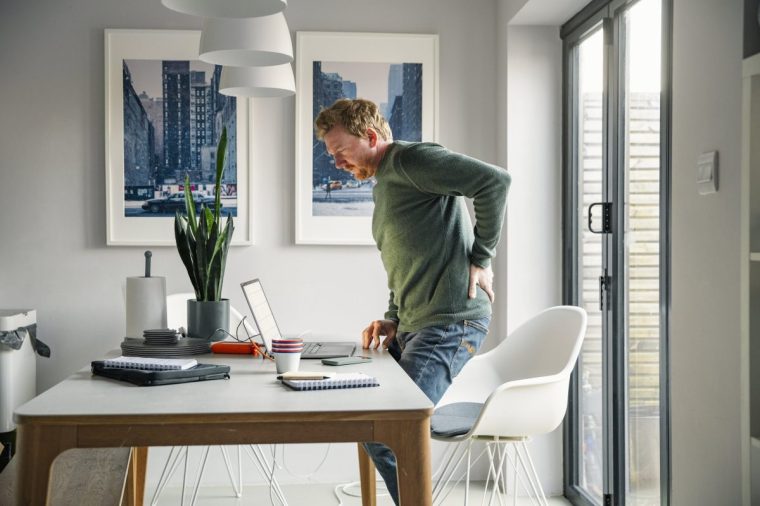 (Photo: Justin Paget/Getty).
Focus on symmetry
If you’re a right over left leg crosser, try crossing the other way, so those forces are at least going through the body equally.
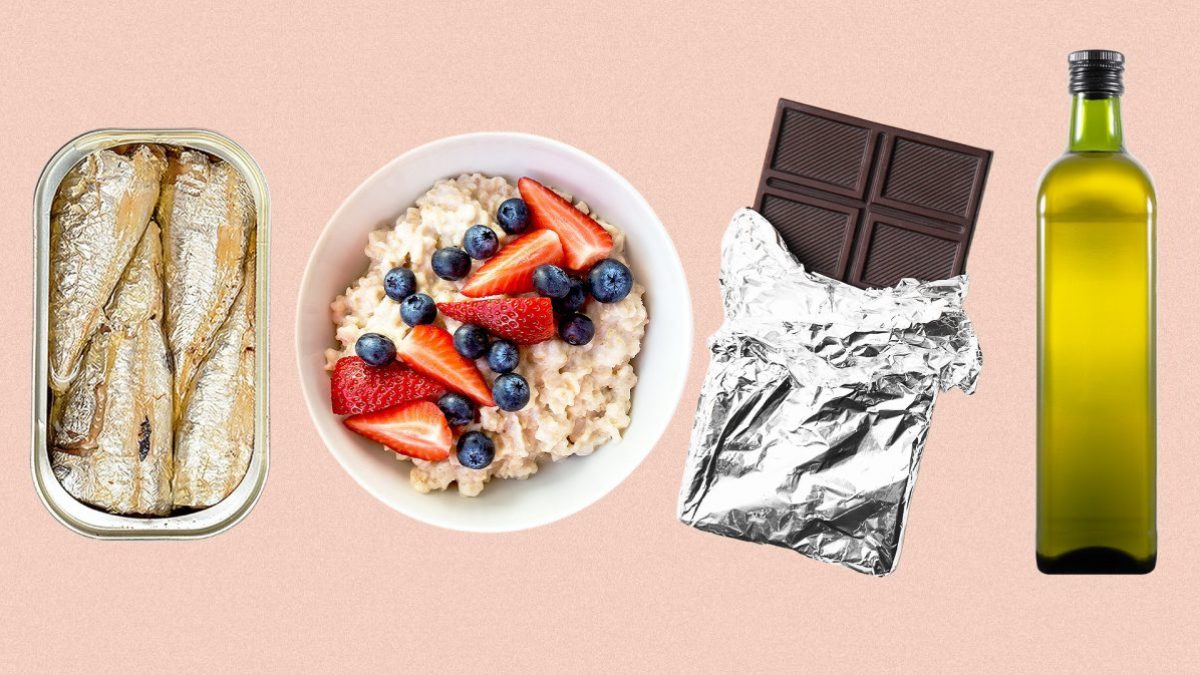
The foods the experts always have in the cupboard
Foods to keep in the cupboard
 Caption: John West tuna chunks in brine, ??1.50/125g
Copyright: John West
Tinned fish
These are a great way to get Omega-3 fats and fish with soft bones are a great source of calcium, says dietician Emma Shafqat.
Ready whole grains
Dietitian Lucy Upton recommends brown rice, quinoa and barley which are low in salt.
 Rice cooked – stock photo. (Photo: Getty)
 Photographer: HakanEliacik / 500px
Provider: Getty Images/500px Prime
Source: 500px Prime
Copyright: Hakan Eliacik – 05062142485
Olive oil
Cold-pressed extra virgin olive oil has polyphenols and antioxidants, says Dr Frankie Phillips.
Foods to keep in the cupboard
Nuts and seeds
They boast unsaturated fats, fibre, plant protein, vitamins and minerals. Raw or dry roasted should have no additives, like salt. Dr Shafqat recommends brands like Meridian, Pip & Nut and Whole Earth.
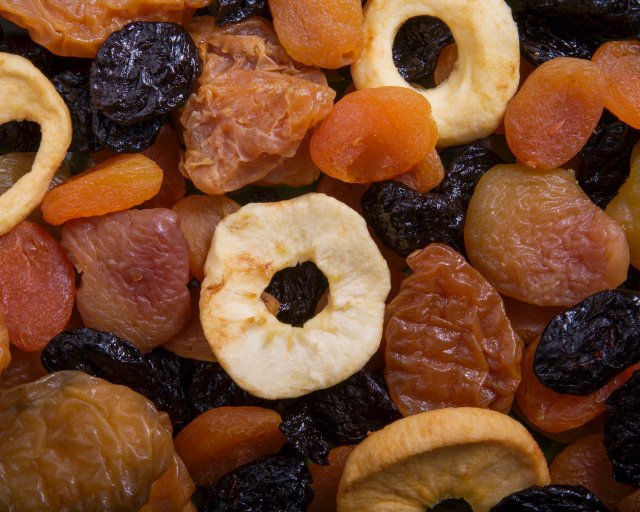 Dried fruit
(Photo: Wirestock/Getty/iStockphoto/Juergen Wiesler)
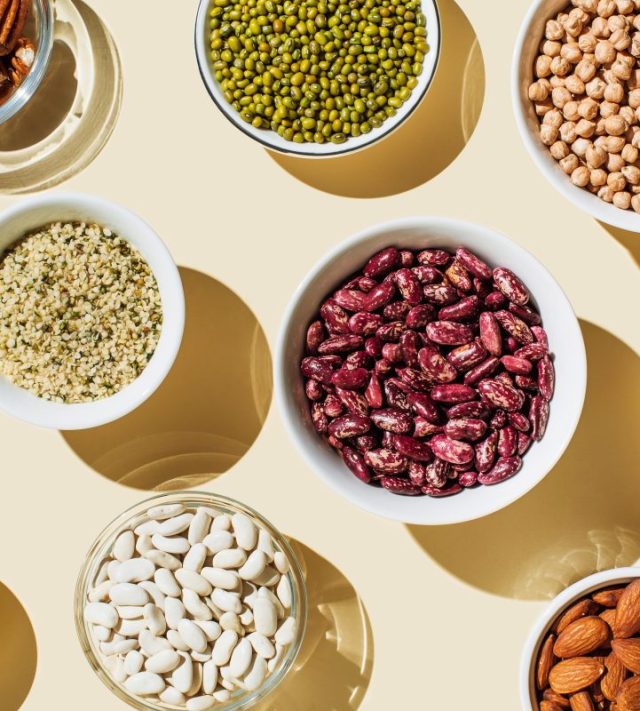
Dried fruit
If you’re mindful of the addd sugar, they can be great for fibre as part of a meal. Dr Phillips recommends dried apricots as they’re verstaile and add iron to the diet.
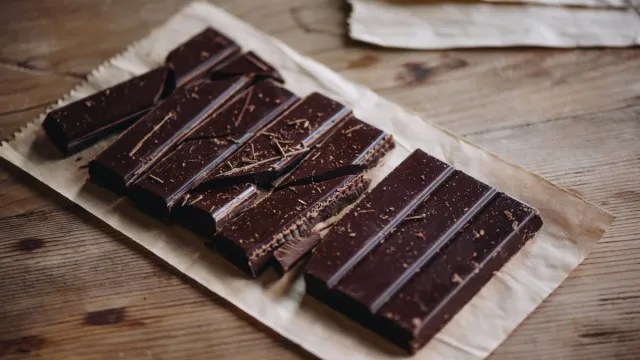
Dark chocolate
It surprises many people that dark chocolate contains fibre.
It counts as a health food thanks to its high polyphenol count.
To really optimise the health benefits, choose chocolate that is 70 per cent cocoa as it has fewer ingredients and a higher polyphenol content.
Lindt 70 to 85 per cent, Green & Black’s, Divine Fairtrade, Aldi’s Moser Roth (70 per cent) and Lidl’s own brand (85 per cent) are great, accessible options.
Foods to keep in the cupboard
Oats
Plain oats are a cheap, accessible and nutritious food that provide beta-glucan, a type of soluble fibre which helps to manage cholesterol levels.
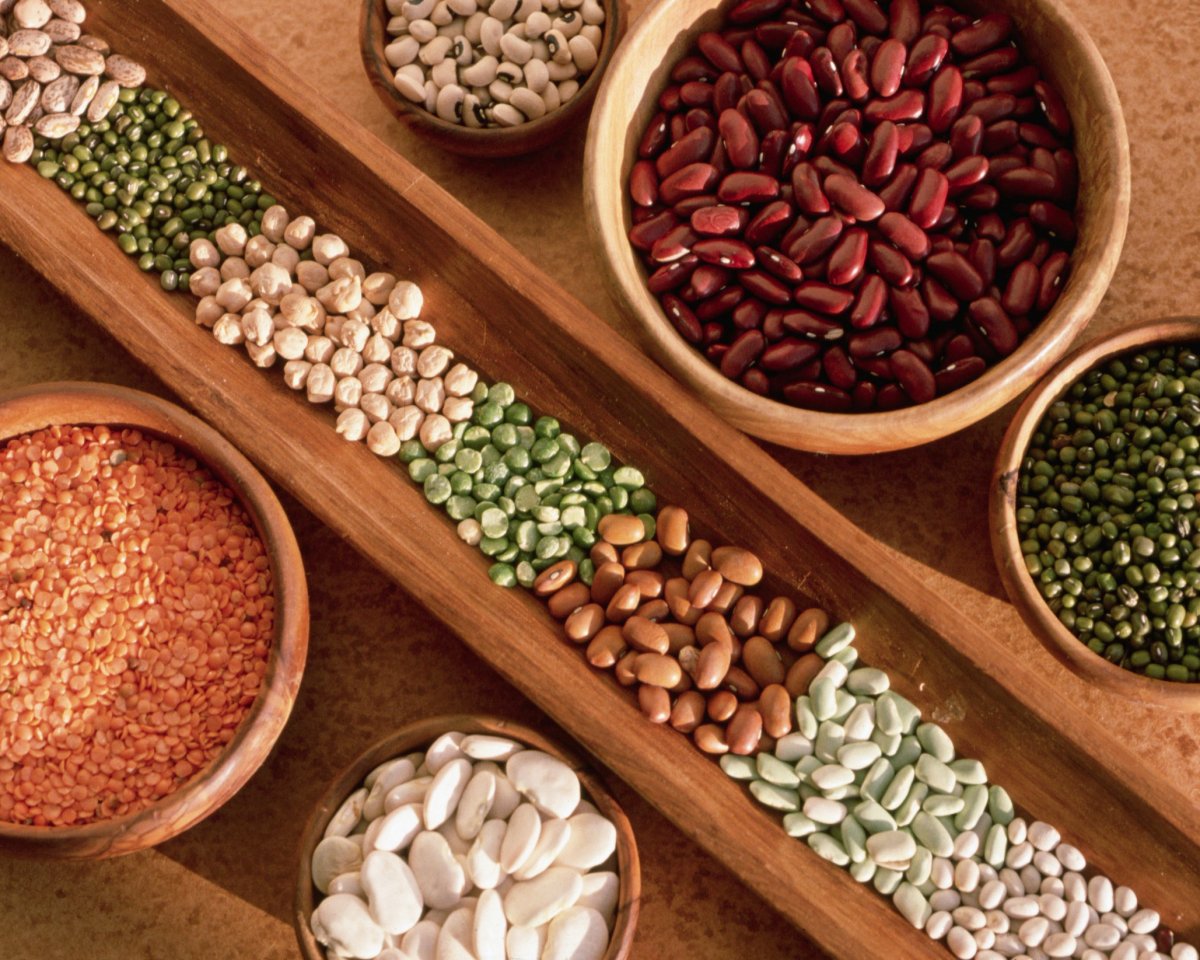 Packing out your curry with pulses (Photo: Michelle Garrett/Getty)
Caption: Close up of a woman preparing a wholesome breakfast by pouring oats into a bowl from a plastic free jar with fresh berries.
Photographer: Dougal Waters
Provider: Getty Images
Source: Digital Vision
Copyright: Dougal Waters Photography Ltd
Pulses
Dr Phillips keeps canned cannellini beans, kidney beans, chickpeas and red lentils in the cupboard, and adds them to soups, stews and savoury mince dishes.

The UK’s mild climate may be destroyed
While much of the world is set to grow hotter as a result of the climate crisis, the UK could soon face a different fate.
Climate scientists fear a ‘cold blob’ in the Atlantic Ocean may bring Arctic conditions instead of a tropical future.
Bill McGuire, a professor of geophysical and climate hazards at University College London (UCL), is one of them.
Here he shares why cold temperatures could be our reality in a few decades.
Why this could happen
At the moment, global heating is making the UK hotter. This warmth is thanks to the presence of the Atlantic Meridional Overturning Circulation (AMOC), a system of currents over the Atlantic.
Without these currents, our climate would be more akin to the much colder weather in north-eastern Canada.
And the AMOC might be set to U-turn.
One study suggests that the AMOC has weakened by 15 per cent since the mid-20th century.
There is not much we can do to stop
this decline. Emissions would need to
be cut in half within five years to have
any chance of dodging a permanent global temperature change.
How to prepare for a change
“All countries need to ensure that infrastructure, food security, services
and public engagement are robust,”
says Professor McGuire.
 Caption: Snow falls over in Middleton-in-Teesdale, County Durham. Storm Chandra brought travel disruption and flooding as strong winds and heavy rain hit much of the UK. Picture date: Tuesday January 27, 2026. PA Photo. Photo credit should read: Owen Humphreys/PA Wire
Photographer: Owen Humphreys
Provider: Owen Humphreys/PA Wire
Source: PA
Copyright: PA Wire
 A train arrives into the station in the town of Glossop in the snowy weather last week. New rail projects planned for the North of England are ‘really exciting,’ the Transport Secretary has said (Photo: Oli SCARFF / AFP via Getty Images)
One paper estimated that only seven per cent of UK land would be suitable for
arable farming in the new climate,
compared with the current 32 per cent. “Managing this looks like rationing and restricted civil liberties,” he claims.
The global impact
 Smoke billows from a fire in an area of the Amazon rainforest near Porto Velho, Rondonia State, Brazil (Photo: Bruno Kelly/Reuters)
It could cause the weakening of the African and Asian monsoons, resulting in famine.
Increased warming of the southern hemisphere could further dry out the Amazon.
Increase melting across Antarctica would accelerate sea level rise.

LIFESTYLE
5 min read
What we need to do
This is entirely the result of global heating caused by human activities. It is critical that monitoring of the AMOC is maintained, even increased. European governments really need to be planning for a future that could well be
much colder.
AUTHOR OF THE FATE OF THE WORLD: HOW OUR FUTURE IS WRITTEN IN THE PAST
 Snow covering Arlington Row in the Cotswolds village of Bibury. – stock photo. (Photo: Getty)
Tony, who lives in west London, says this was a “blessing” for him. Rather than being passive about his savings, the change meant he started digging into pensions and researching them.
He now contributes 15 per cent of his own salary into a pension pot – three times the automatic minimum – and his employer pays in 21 per cent.
Despite being 35, he has a far larger pension pot than the average for a 40-year-old, which is around £39,500, according to investment firm Fidelity. On top of the £60,000 he has saved recently, he also has funds from his previous DB pot.
Dad-of-two Tony knows this is a lot, but says his future self will thank him.
“I know old age comes quickly and I don’t want to be in a situation where I have freedom in terms of time but not in money,” he says.
“I could pull back on how much I’m contributing in the future if I need and things get tough for whatever reason, but even if that happens, I know I’ve got that amount saved that will grow and build,” he adds.
Tony saves into an Aviva pension scheme with his workplace, but he puts his money into a self invested personal pension (SIPP) because he feels this gives greater control over his investments and has allowed him to achieve high levels of growth.
“I know the state pension could get pushed further and further back in the future. I don’t want to worry about delaying retirement when I reach that age,” he adds.
Tony isn’t the only young person ploughing cash into his retirement pot.
Alicia Riley, 38, is currently on maternity leave and pays a small amount into her savings, but previously made contributions of over 30 per cent.
 Alicia Riley has paid large amounts into her pension
Alicia, who lives in Maidstone, Kent, and works for an employee benefits platform, says the reason for doing so was partly to get her salary down below £100,000 – the earnings point at which she would lose certain childcare benefits – but also to put money towards her future.
Earning over £100,000 triggers a cliff-edge. Once your adjusted net income – taxable income minus pension contributions and gift aid – goes over this limit, you completely lose eligibility for tax-free childcare and other benefits.
It can effectively mean that earning more than £100,000 costs you money.
“I realised I could put money into my pension and it was a win-win, as I got to boost my pension for the future and get money now,” she says.
She says the 30 per cent contribution was a one-off, to get her below the £100,000 threshold, but she’s had periods of paying 12 per cent into her pension, with a top-up from her employer.
“My pot is now looking amazing which is a great outcome,” she says.
It’s now over £60,000, and she says she is watching it grow.
The high contributions have allowed her to scale back her pension payments; now she is on maternity leave with her third child and is receiving a reduced income.
Is front-loading your pension a good idea?
Paying large amounts into your pension in the first half of your career can have benefits further down the line.
You will have far longer for your money to stay invested and compound in growth.
Calculations by wealth management firm Quilter looked at how much someone who starts saving at 22 on a salary of £25,000 – and gets pay rises of 5 per cent a year – could make by front-loading their pension contributions in the first part of their working life.
The calculations compared someone who contributes 15 per cent of their salary from age 22 to 32, then drops back to 8 per cent until retirement at 66, to a back loader paying 8 per cent of salary from age 22 to 56, who increases contributions to 15 per cent from age 56 to 66.
The front loader would contribute £324,297 to their pension, whereas the back loader would contribute £93,622 more – £417,919 – because their high contributions come later in their career when salaries are generally higher.
Still, Quilter’s calculations found that if investment growth is over 5 per cent or more, the person who front-loads their pension would amass a bigger pot – even though they actually contribute a smaller amount.
If investment growth is high at around 8 per cent, the front loader ends up with a pot worth £272,023 more, despite paying in £93,622 less.
If investment growth is very low, a front loader may end up with a smaller pot, but Quilter said that overall, the modelling shows that front loading is more efficient because contributions have longer to compound.
Adam Cole, retirement specialist at Quilter, said: “If people are only prompted to think seriously about pensions in their 40s or 50s, they may already have lost decades of valuable compounding.
“Better financial education, starting early and continuing into the workplace, would help people understand not just that they are saving, but whether they are saving enough and how small changes early on can have a meaningful impact over time.
“The real opportunity now is to build on the success of automatic enrolment by moving from passive participation to active engagement.
“If we want people to have a greater chance of achieving the retirement they aspire to, they need the tools, education and prompts to understand their pension from day one, not decades later when the scope to change the outcome is much narrower.”