
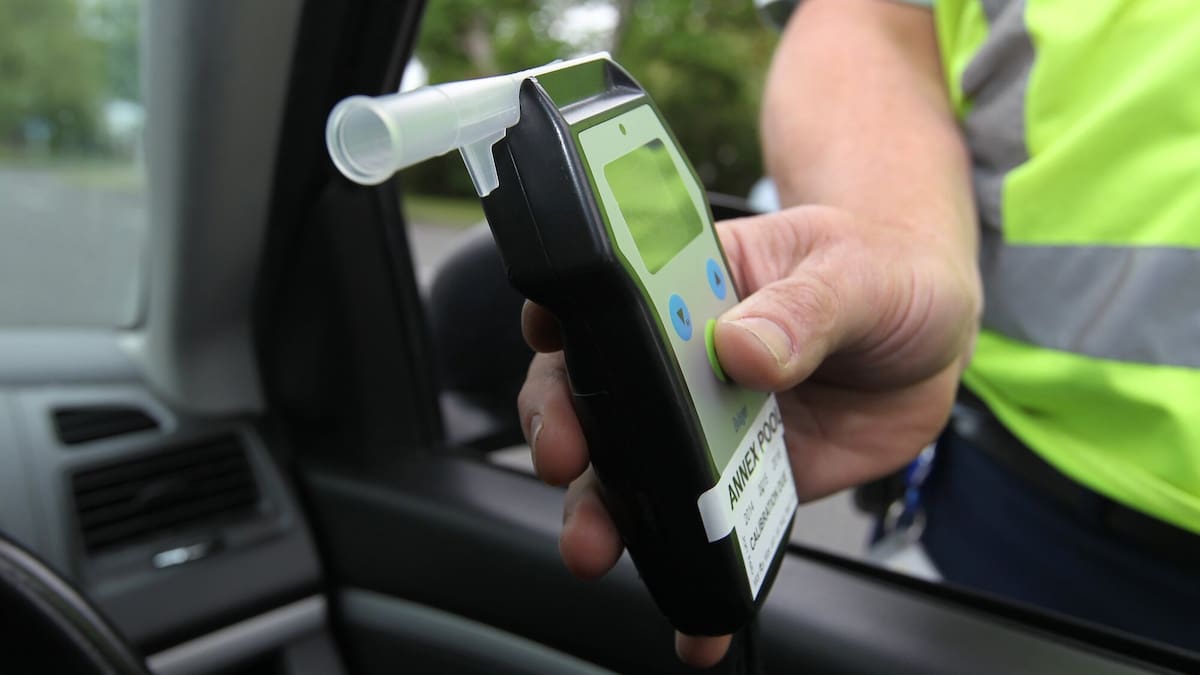
The charge arose following a situation last July that the police described as “morning-after driving”.
After Ubering home from a function the night before, the man slept. But when he got up and drove the next morning, he was stopped at a routine traffic stop.
The man gave a blood sample, which returned a blood alcohol level of 135mg of alcohol per 100ml of blood. The legal limit is no more than 50mg of alcohol per 100ml of blood.
His lawyer, Lucie Scott, made lengthy submissions, outlining the efforts her client had made since the incident and the impact a conviction would have on him and his family.
His efforts included alcohol counselling, a letter of remorse, voluntary community work, and donations to two charities.
“He’s done three million times more than a person who appears on a charge of this nature.”
In granting the discharge, Judge Ian Carter said the consequences of a conviction were out of proportion with the gravity of the offending.
Referring to the defence lawyer’s submissions, the judge said it was difficult to see what more the sportsman could possibly have done, and the steps he had taken were significant mitigating factors that reduced the level of culpability or seriousness of the offending.
Given the sportsman had a 28-day disqualification from driving at the time of the offending the judge declined to further disqualify him, saying he was at a low risk of offending.
But Judge Carter ordered the man to pay costs of $444 to the police for the blood alcohol analysis.
He also ordered the man’s name to be permanently suppressed, saying the grounds of extreme hardship had been made out.
The judge said he had read the affidavits from both the man and his partner, which gave compelling reasons for making the order and showed that not granting it would have a significant impact on their health.
Catherine Hutton is an Open Justice reporter, based in Wellington. She has worked as a journalist at the Waikato Times and RNZ. Most recently, she was working as a media adviser at the Ministry of Justice.