
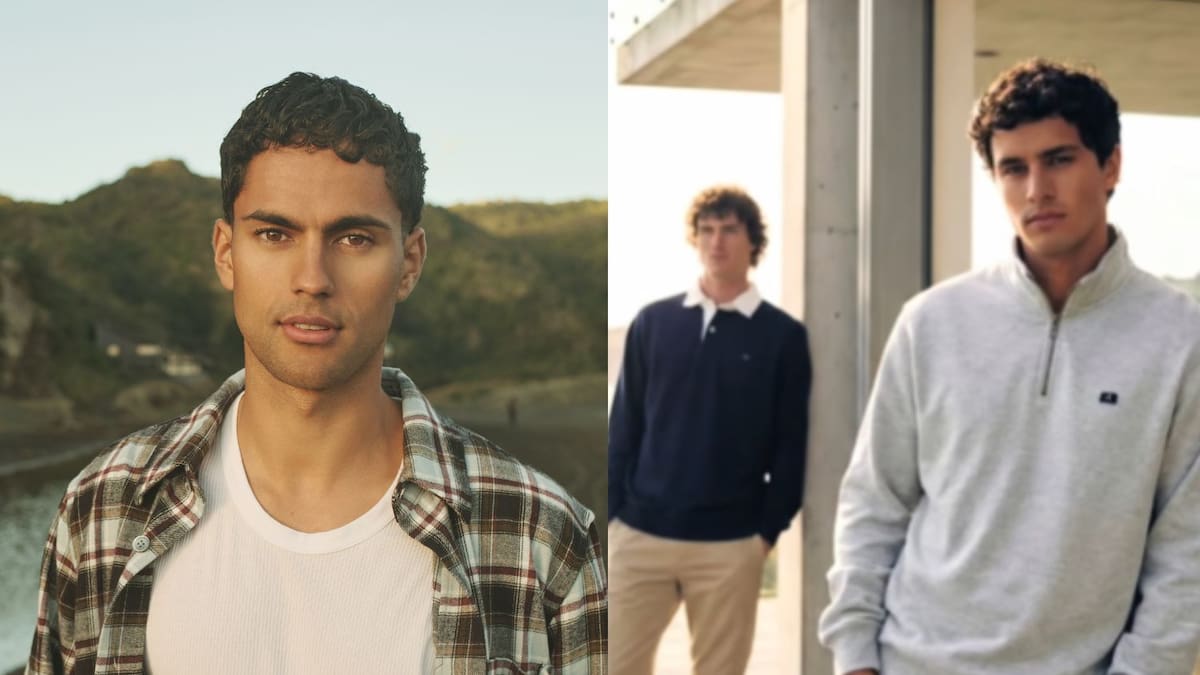
Huffer said it uses AI tools across many parts of the business, including rostering, budgeting, administration, marketing and advertising.
“Around the specific imagery being discussed, we want to be clear. We did not use this individual’s face to create an AI model.
“We did generate the new image using an AI design tool – but the image was not engineered to resemble any specific person.”
The company said it was “genuinely sorry” to hear how upsetting the incident had been for those involved.
“Our community creators and models are a hugely important part of our brand. While we stand by our position, it was never our intention to make anyone feel that their identity, creativity, or contribution had been appropriated.”
Huffer said it had removed the image from circulation as a result.
“We remain committed to using NZ models and photographers to create imagery as well as our UGC contributor content”, they wrote. “This is not going away.”
The Auckland-founded brand said the scandal had sparked a broader conversation about how AI tools can be used in a “thoughtful, responsible and respectful” way, adding that they would continue to “learn”.
Asked about the statement, Timmins-Scanlon told the Herald Huffer had blocked his account after he commented on the post questioning the image.
Huffer managing director Kate Berry previously claimed he had been blocked for breaking the brand’s community standards.
Following reports that Huffer has since threatened Timmins-Scanlon with legal action under the Harmful Digital Communications Act 2015, the issue has drawn the attention of the Free Speech Union.
Union chief executive Jillaine Heather said it was concerned Huffer had allegedly demanded the model “immediately remove, or amend” posts it claimed breached the act.
Free Speech Union chief executive Jillaine Heather says it has written to Huffer after the brand reportedly threatened legal action against Elijah Timmins-Scanlon. Photo / Free Speech Union
She said the legislation was designed to protect individuals from serious online harm and did not give companies standing to shut down “awkward questions”.
“Huffer is free to deny Elijah’s claims, and it has. What it is not free to do is threaten a model with legal proceedings it has no standing to bring.”
She said the union has asked Huffer to explain what authority it believed it had to invoke the act and which posts it considered problematic.
“We take no position on whether Elijah is right about the image. Either the image was AI-generated or it wasn’t. Threatening the person asking the question doesn’t change the answer.”
Huffer declined to comment when approached by the Herald.