
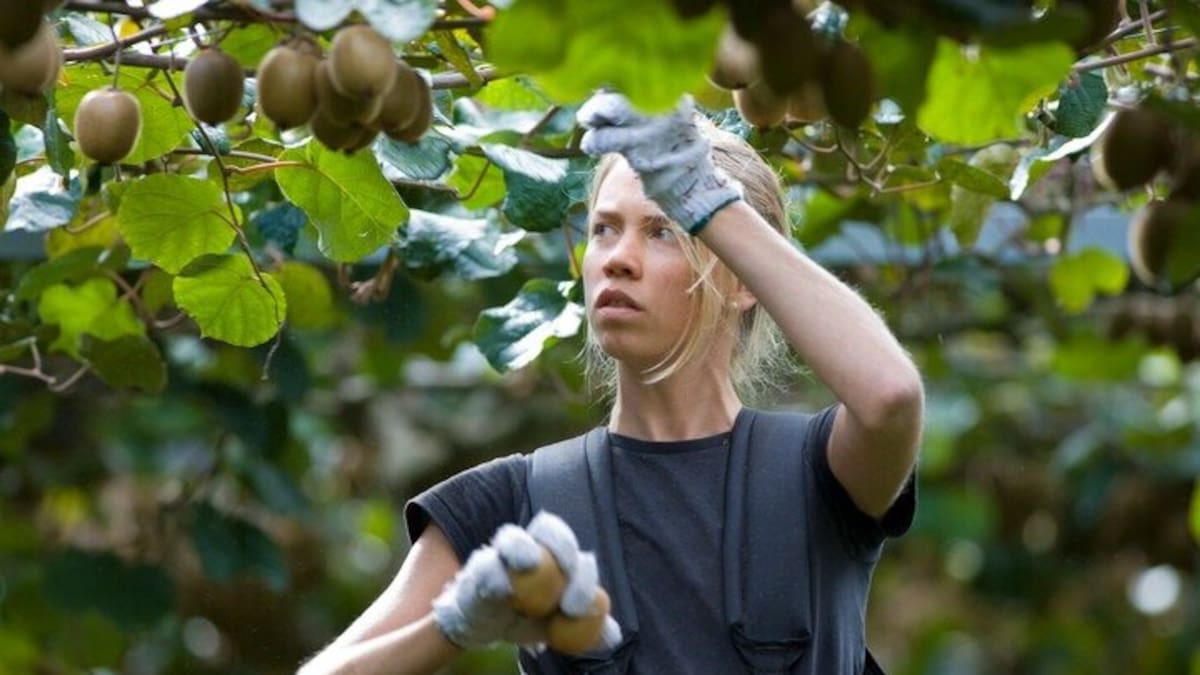
Around 58 million trays were picked, but yields were more than 14% lower than last year.
Delayed maturity on vines also slowed the harvest and constrained early-season supply.
New Zealand Kiwifruit Growers Inc chief executive Colin Bond acknowledged the scale of the season, thanking orchard and packhouse workers for managing what he described as an “exceptionally large crop”.
NZKGI CEO Colin Bond says the programme is an important step forward for grower confidence and industry growth. Photo / NZKGI
Growers are now closely watching how the record volumes perform in offshore markets. While early indicators suggest fruit quality is strong, questions remain over whether recent quality challenges have been fully resolved.
Returns for the 2026 crop are expected to become clearer in September, as sales data from international markets continues to come in.
Looking ahead, the industry remains optimistic, with further production growth expected as global demand continues to rise.
Parallel forecasts from Zespri point to a positive start to the 2026/27 season.
Chief executive Jason Te Brake said returns per tray are expected to be comparable to the previous season, underpinned by strong demand in Europe and North America and steady sales in Asia, although pricing pressure persists in China’s premium segment.
Zespri chief executive Jason Te Brake.
Kiwifruit remains New Zealand’s top horticultural export, with total revenue forecast to climb to about $4.8 billion.
Meanwhile, post-harvest operator Seeka has also completed its 2026 harvest across New Zealand and Australia, reporting solid operational results despite a slight drop in production.
The company packed 45.4 million class one trays in New Zealand, down from 47.1 million last year, reflecting lower Hayward green volumes. In Australia, Seeka harvested 2.25 million kilograms, down 14 per cent due to a hotter, drier growing season.
Seeka is forecasting net profit before tax of between $38 million and $42 million for the 2026 financial year, compared to $47.5 million last year.
Michael Franks. Photo / Supplied
Chief executive Michael Franks said the result would represent the company’s second-highest earnings on record, and credited ongoing investment in automation and packhouse technology for improving efficiency and delivering a timely harvest.