
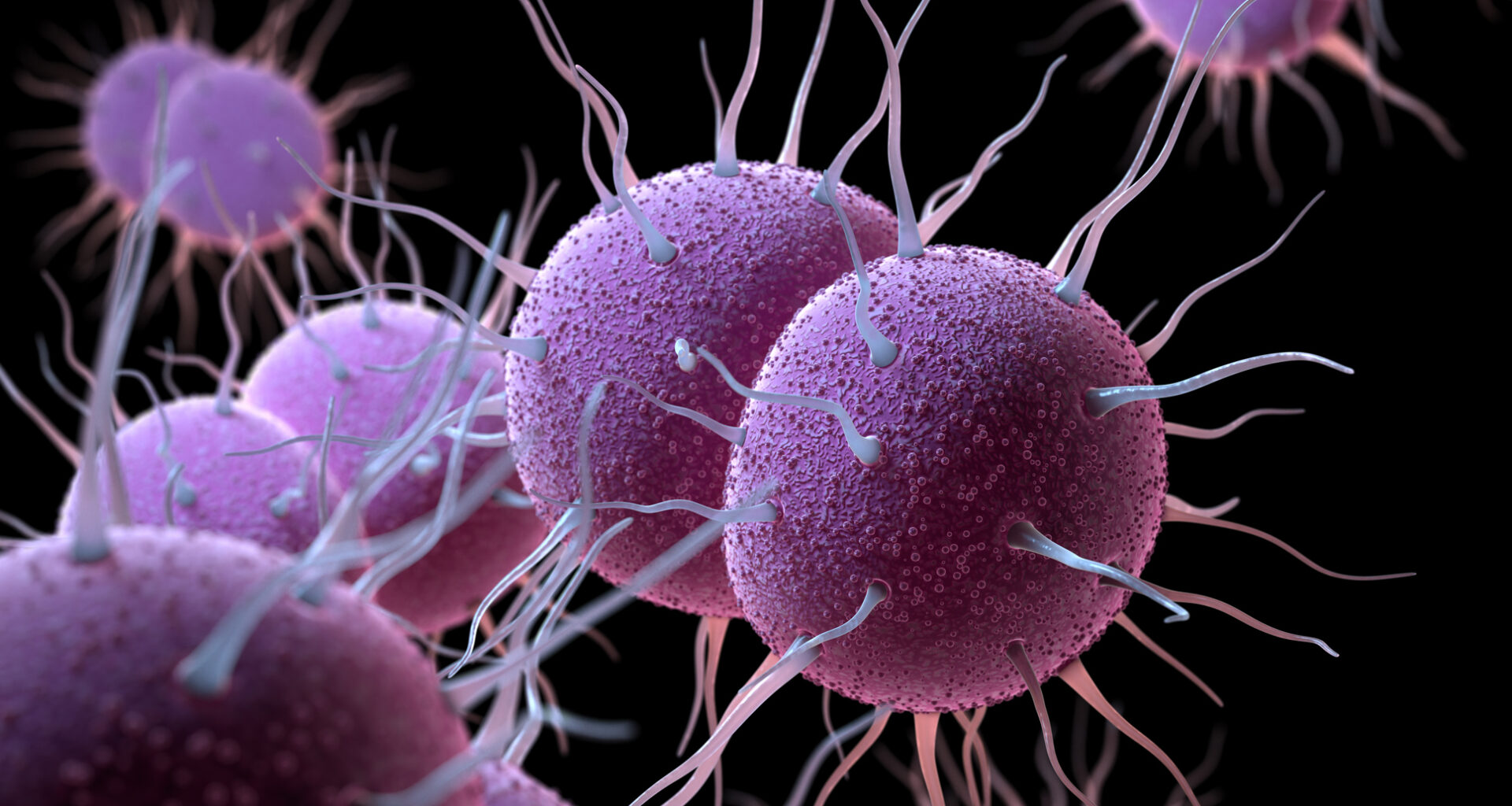
 image: ©iLexx | iStock
Researchers from the Wyss Institute at Harvard University, MIT, and the Broad Institute have developed a deep learning-guided antibiotic discovery approach to address the escalating crisis of multidrug-resistant gonorrhoea
The study, published in Science Translational Medicine, successfully deployed artificial intelligence to screen millions of compounds, identifying entirely new chemical structures capable of killing the pathogen through novel cellular pathways.
The cycle of antimicrobial resistance
Gonorrhoea is the second most frequently reported sexually transmitted infection (STI) globally, with over 600,000 cases reported annually in the United States alone. If left untreated, the infection caused by the bacterium Neisseria gonorrhoeae can lead to pelvic inflammatory disease, infertility in both men and women, increased risk of HIV transmission, and life-threatening systemic complications like meningitis and sepsis.
While two new oral antibiotics—zoliflodacin and gepotidacin—were recently approved to treat urogenital gonorrhoea, marking the first entirely new antibiotic classes for the infection in over thirty years, history shows that N. gonorrhoeae rapidly adapts. Significant resistance typically emerges within five to ten years of first-line rollout. To break this continuous arms race, scientists need to discover chemical structures that target uncommon biological pathways, lowering the statistical frequency of pathogen resistance.
Building the AI discovery pipeline
To uncover these “hidden gems” of antimicrobial activity, the research team engineered a multi-stage machine learning workflow:
Training the model:
The researchers manually tested 38,650 small molecules in laboratory assays against N. gonorrhoeae. They used this empirical dataset to train a predictive deep learning model to recognise patterns linked to anti-gonococcal activity.
Virtual screening:
The trained AI model was used to virtually screen a massive compound library containing approximately 6 million small molecules.
Filtering and isolation:
The computational screening yielded 213 promising candidates. Through successive biological growth assays, resistance tracking, and toxicity filters to protect human cells, the team isolated two highly potent compounds with exceptionally low resistance frequencies.
A novel cellular target
Using proteomic analysis, the researchers identified the exact biological mechanism for their frontrunner aminothiazole compound, named A1.
A1 specifically binds to and inhibits an enzyme called alanine racemase, which N. gonorrhoeae requires to synthesise and repair its protective bacterial cell wall. While various existing antibiotics target cell wall biosynthesis, selectively neutralising alanine racemase with a small molecule constitutes a completely novel mechanism of action in the treatment of gonorrhoea.
Validation via organ chips and animal models
To ensure the compounds could function outside a simulated environment, the team tested their discoveries in complex physiological tissue environments.
Collaborating with the Wyss Institute’s Vagina Chip team, researchers introduced the first compound, MP20, into a microfluidic model lined with living human vaginal epithelial cells. The treatment successfully lowered the pathogen titers within the device.
Furthermore, they tested the second compound, A1, in a live mouse vaginal infection model. Applying five topical treatments of A1 over a 24-hour window significantly reduced the concentration of N. gonorrhoeae compared to untreated controls.
While the A1 compound requires further medicinal chemistry optimisation and hit-to-lead development before transitioning into clinical human trials, the success of the pipeline demonstrates that combining high-quality biological data with artificial intelligence can rapidly reveal therapeutic compounds that would otherwise remain out of scientific reach.