
Design
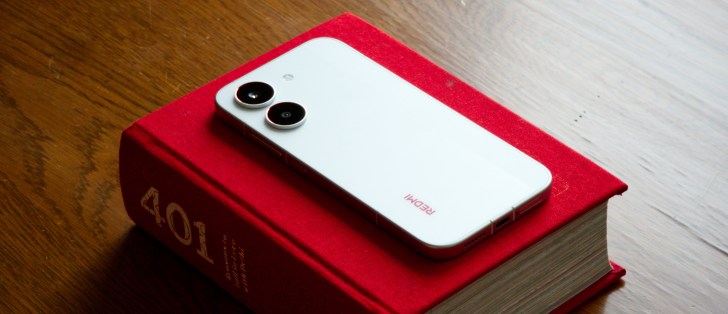
The design of the Redmi Turbo 5 is identical to that of the Poco X8 Pro, down to the color schemes. The variant we have here is in the Turbo White shade, which features a two-tone back with a visual texture on one side and stripes around the camera. There is now a Redmi logo on the back in red, which matches the existing red highlights around the camera rings and the power buttons. Aside from that, the phone has the typical flat sides and rounded corners of modern smartphones. Overall, it’s a pretty smart design, and one that also isn’t overly big.
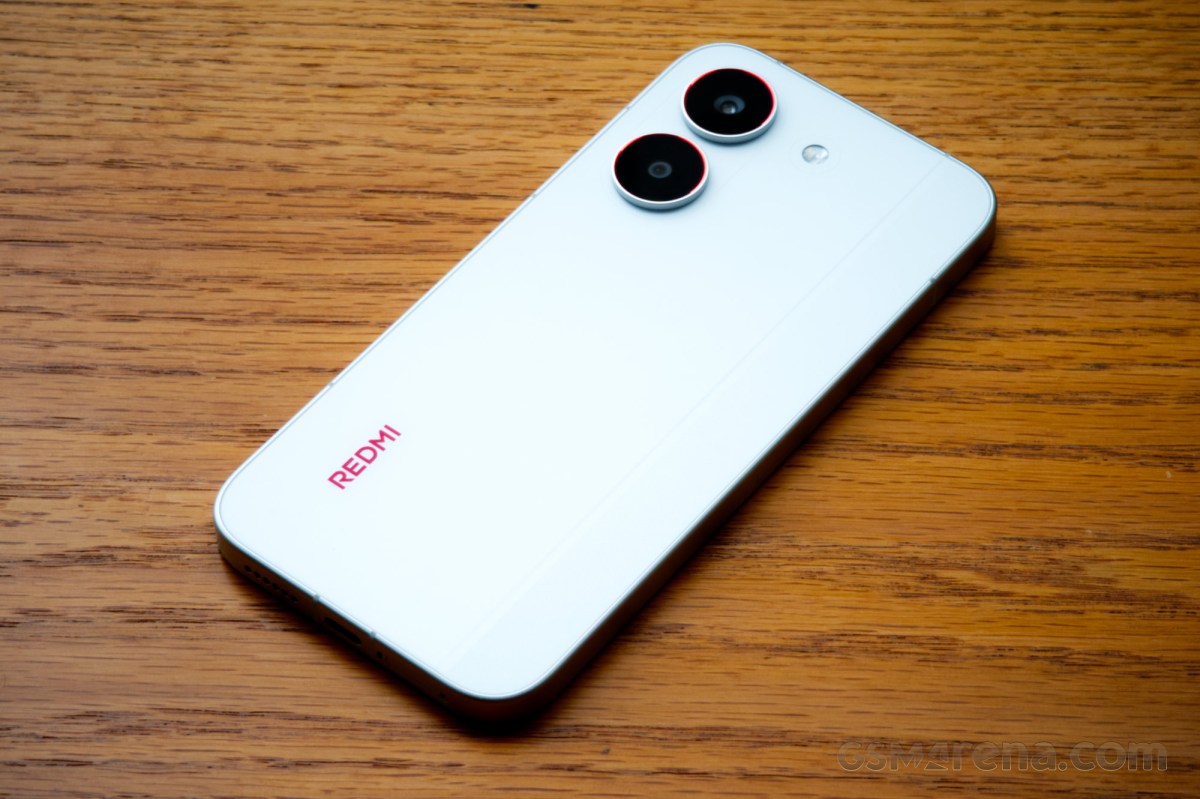
The Redmi Turbo 5 is also well built. You get glass on both front and back as well as an aluminum frame around the side. The phone is also rated for IP66, IP68, IP69, and IP69K for dust and water resistance, making it very well armed against the elements.
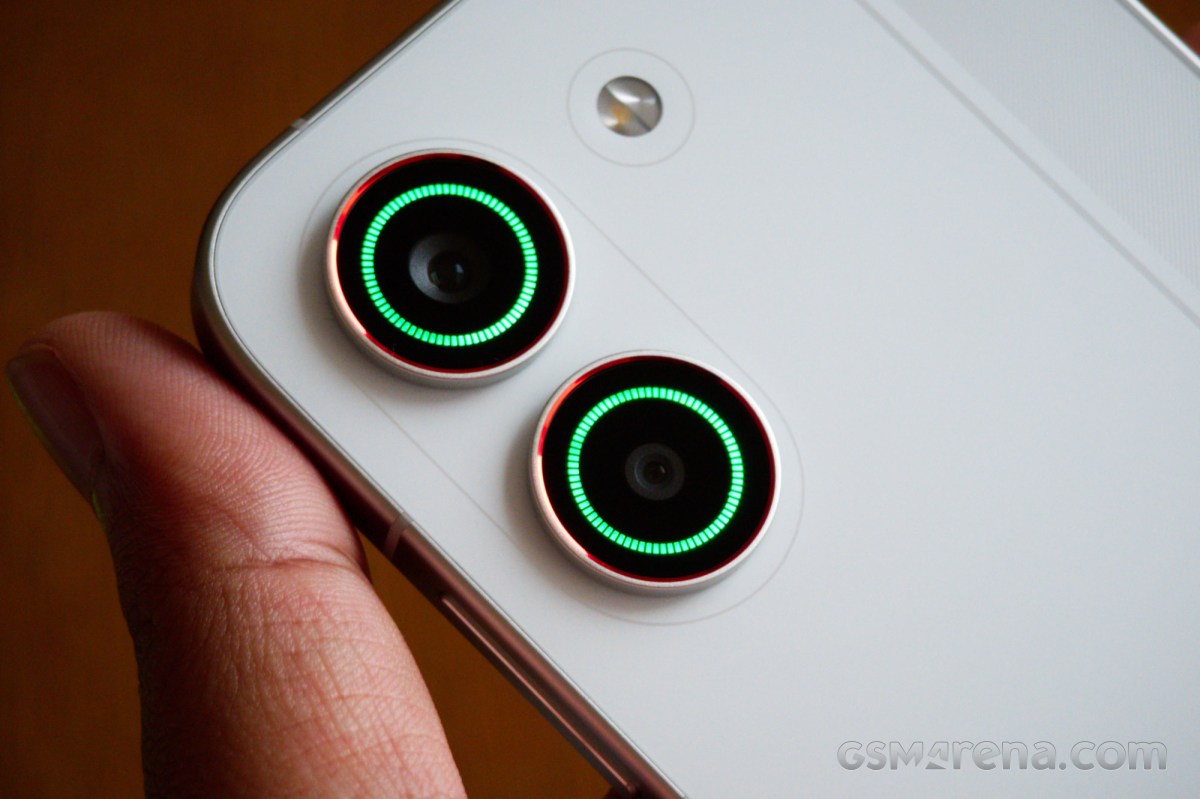
Like the Poco X8 Pro, the Redmi Turbo 5 also has the LED rings around both cameras on the back. These segmented rings can be made to flash for various functions, such as call reminders, game effects, and music playback. You can change their colors, or turn them off entirely. As we have seen with lighting on other devices, they are only really relevant when the phone is face down and not in use, as otherwise you can’t really see them in action. As such, their usefulness is limited, but they can still be nice to have.
Overall, the Redmi Turbo 5 impresses with its refined aesthetics and well-built design, and should find takers across demographics, despite the gamer-centric branding.
Display
The Redmi Turbo 5 has a 6.59-inch, 2756×1268 resolution AMOLED display, capable of refreshing up to 120Hz. The panel supports 12-bit color depth, P3 wide color gamut, and up to 3500nits measured across a 25% area. You also get full HDR support, including HDR10, HDR10+, and Dolby Vision.
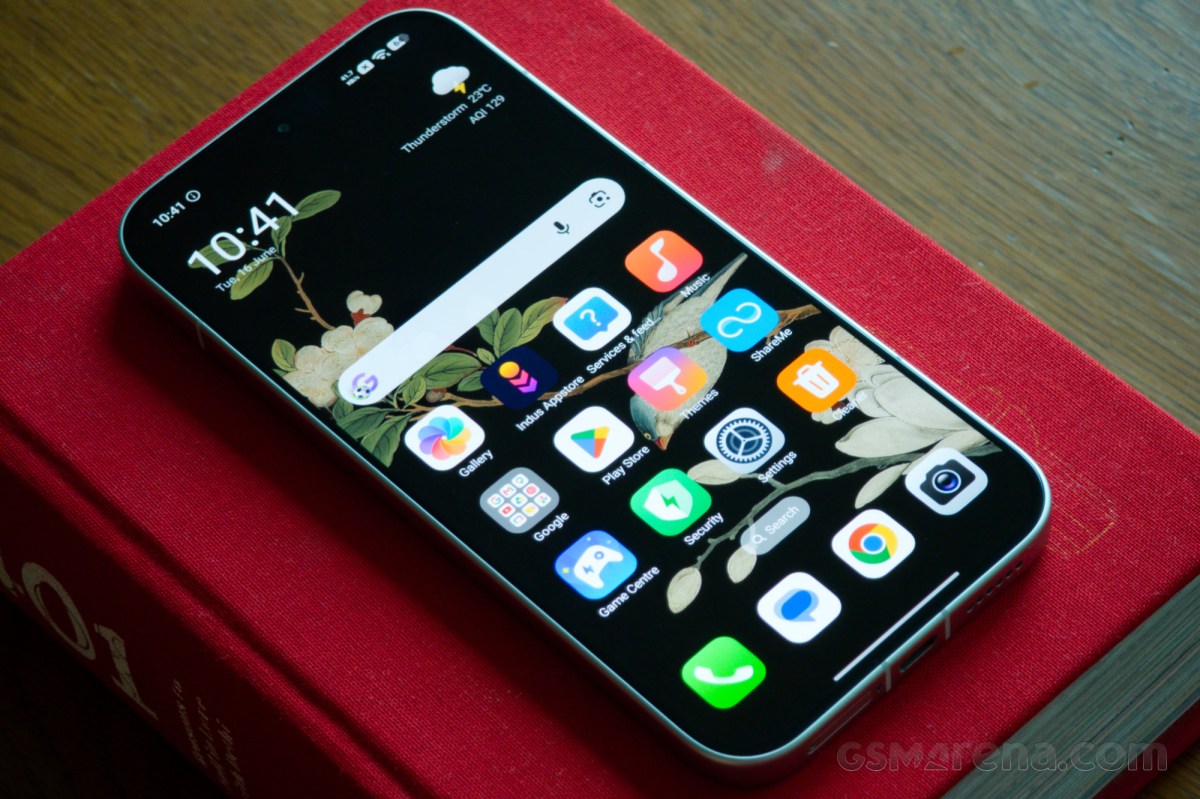
The display on the Redmi Turbo 5 is excellent. You get a sharp, clear image with impressive color accuracy out of the box. It can also get quite bright, especially outdoors, thanks to the Sunlight Display feature. It’s also great at working with wet hands. HDR also works well. It’s also worth noting that the phone has fairly thin, almost uniform bezels all around, which makes the screen look even more impressive.
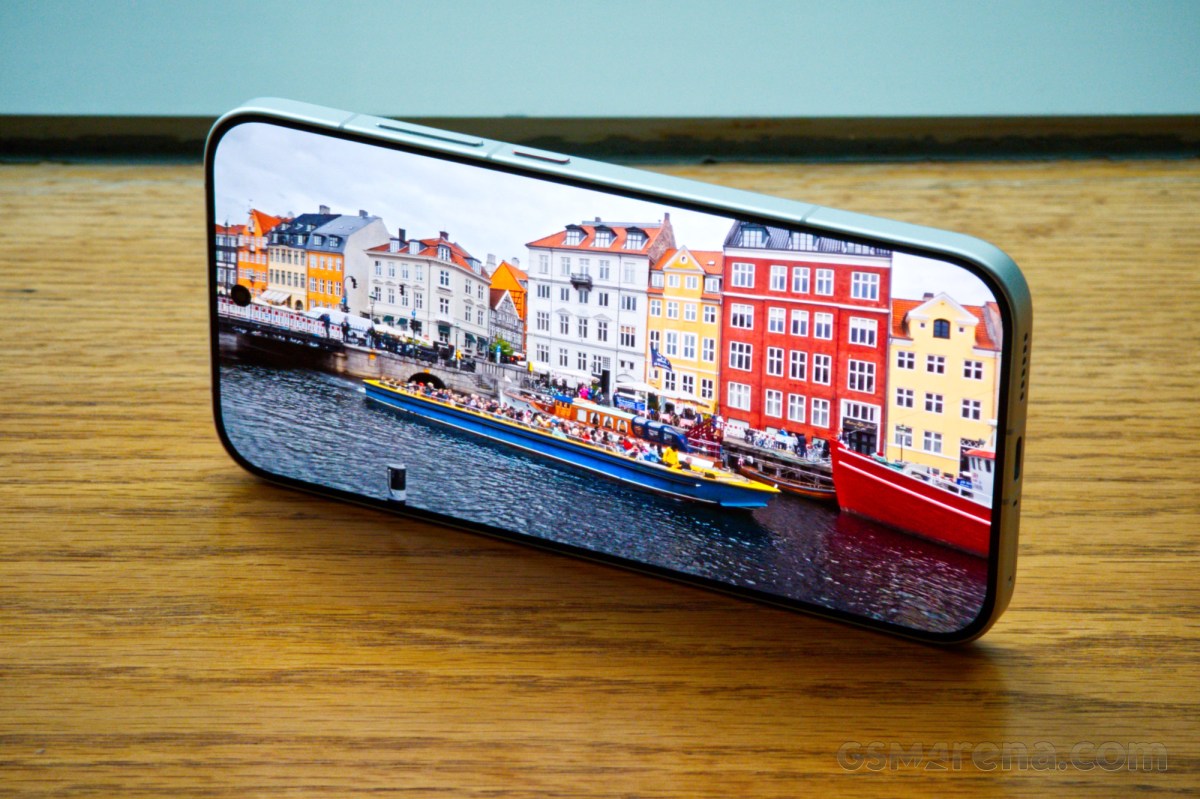
The phone has a 120Hz display, but the software is conservative by default regarding which apps get to go above 60Hz. Thankfully, you can change this in the settings, but you can only really switch between 60Hz and 120Hz with the toggle for each app.
The display has a built-in optical fingerprint sensor, which works really well. It is located a bit low on the screen, but the phone isn’t especially big, so it’s not difficult to reach.
Finally, the phone has an always-on display mode, but as we have seen on the Poco X8 Pro, as well as several other devices in this price range, this mode doesn’t really do what it’s supposed to do. The display can only stay on for ten seconds after you turn it off or if you tap it, but there’s no way to keep it permanently enabled. It’s not clear why this feature routinely gets nerfed on non-flagship devices, especially since they all have OLED displays and massive batteries these days.
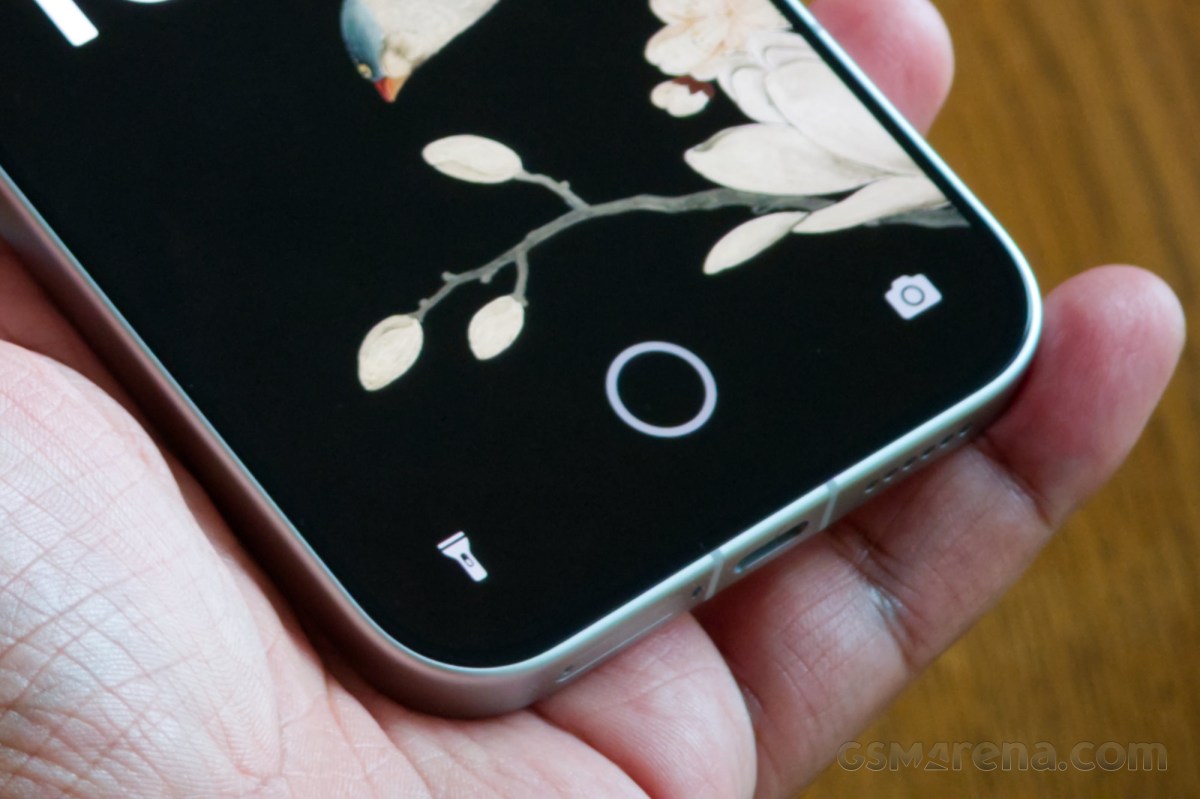
On a side note, the Redmi Turbo 5 also has haptic feedback for touch inputs. The haptics are generally okay on this device, and you don’t quite get the stronger, more pronounced taps from more premium devices.
All things considered, the display on the Redmi Turbo 5 is quite impressive.
Battery and charging
The Redmi Turbo 5 has a 7540mAh battery, a 16% increase over the Poco X8 Pro. We got excellent results with that phone’s battery in our review, so you can imagine a 16% bigger battery to be even better in that regard.
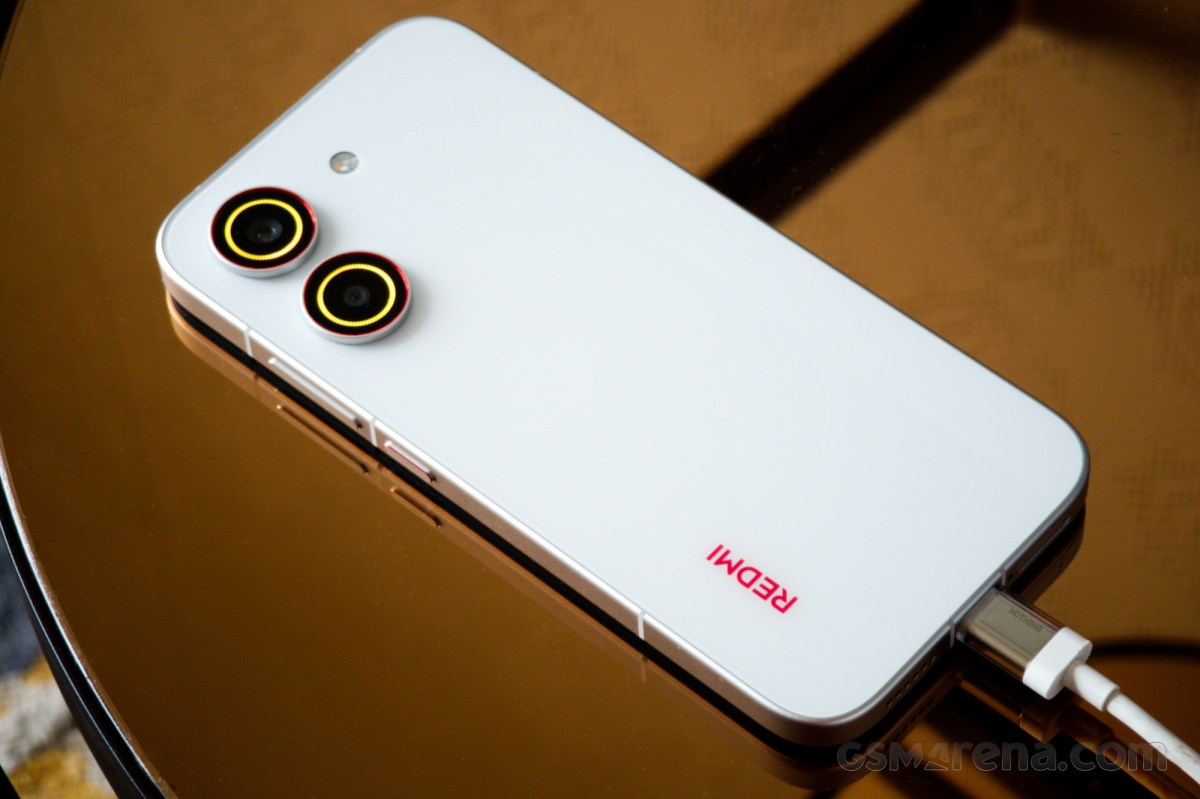
For charging, the Redmi Turbo 5 supports 100W wired charging using Xiaomi’s HyperCharge protocol, and can also provide up to 27W wired reverse charging.
In our charging tests, the Redmi Turbo 5 performed very well, being only slightly slower than the Poco X8 Pro with its 6500mAh battery. The phone still manages to finish in under an hour, which is very impressive.
Speakers
The Redmi Turbo 5 comes with a pair of stereo speakers. The audio quality is okay; there isn’t much bass or high treble, but the overall sound is still pleasing. Most importantly, the sound remains mostly the same as you increase the volume, all the way to the highest level. It’s not the loudest phone we have come across, but we prefer the phone not to sacrifice audio performance for the sake of loudness.