
In the mid-2000s, nostalgia gained a particularly indie-rock cool. Established in 2005, the All Tomorrow’s Parties Don’t Look Back concert series saw artists including Dirty Three, Sonic Youth and Low revisit back-catalogue albums in full, either at one-off shows or on tour, when the concept was still a novelty. The relatively high-brow status of the artists involved positioned these concerts – at first – as a kind of happening, as though the transference of a solitary, focused experience (listening to an album) to a communal, rowdy one (going to a concert) held at least the idea of artistic transformation.
Twenty years on, everyone is at it, from pop stars to rock juggernauts. Just this year, The Streets, Cat Power and Primal Scream are doing the rounds for front-to-back performances of classic albums. Fans likely do not expect innovation at these shows, which are now firmly concerned with commerce rather than artistic merit; a now-accepted format of nostalgia delivery along with mid-size joint headline tours.
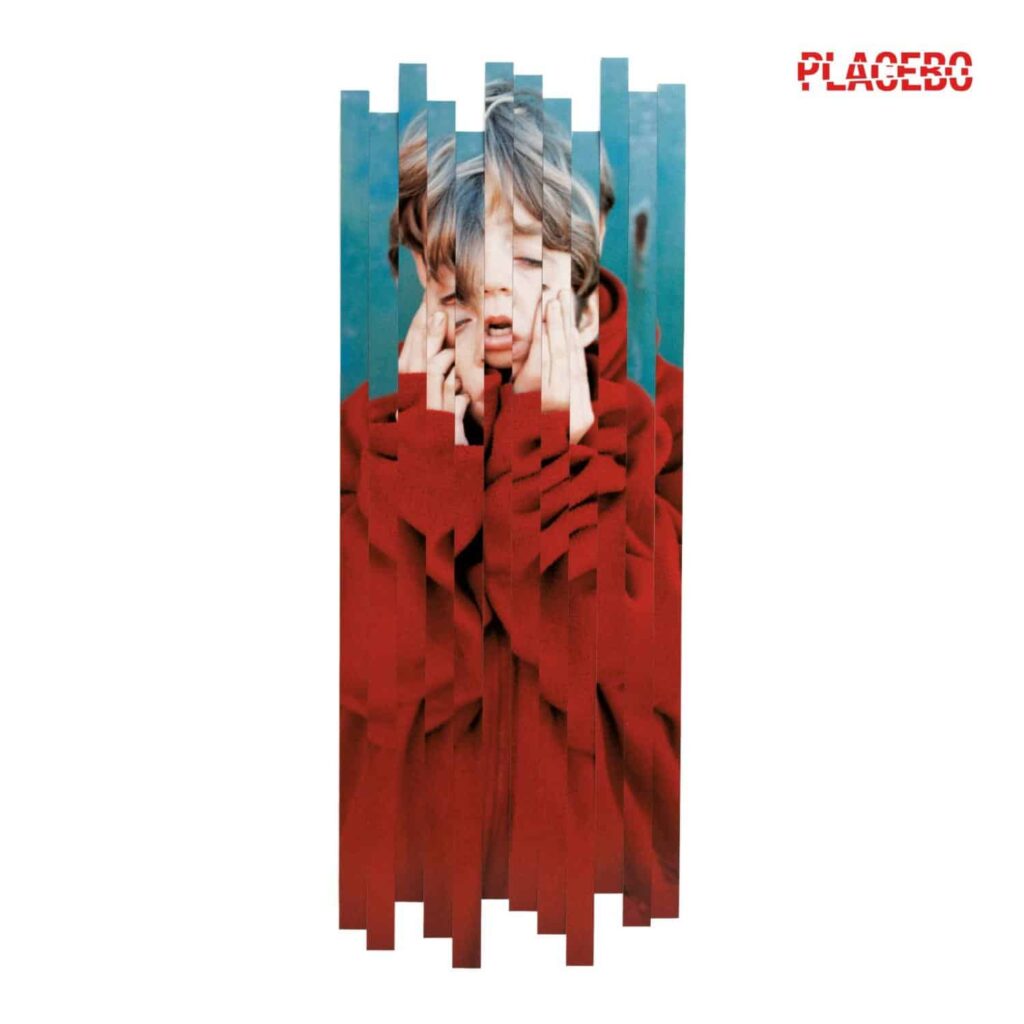
In their 30 years as a band, Placebo have never played an album front-to-back, or limited themselves to a specific time period for their set lists – until later this year, when they are due to tour songs from their first two albums to mark three decades together. This tour is preceded by Placebo RE:CREATED, a ‘director’s cut’ of their 1996 debut album which sees remaining founding members Brian Molko and Stefan Olsdal – joined throughout the band’s history by a rotating roster of drummers – return to the original masters, reworking the sound of the songs to better match their essential biting ferocity. This ‘reimagining’ approach is becoming increasingly popular with alternative artists looking to revisit back-catalogue material with more creativity than the now-standard anniversary tour route. This can range from Bright Eyes’ recent series of ‘companion’ EPs for each of their studio albums, to full-on conceptual projects like Car Seat Headrest’s Teen of Denial (Joe’s Story), a ten year anniversary re-recording of Teens of Denial that tells the album’s story from a different protagonist’s POV. Placebo RE:CREATED is more aligned with the likes of My Chemical Romance’s 2025 re-release of Three Cheers For Sweet Revenge, a remaster that goes beyond technical sheen to reimagine the meaning of the original work.
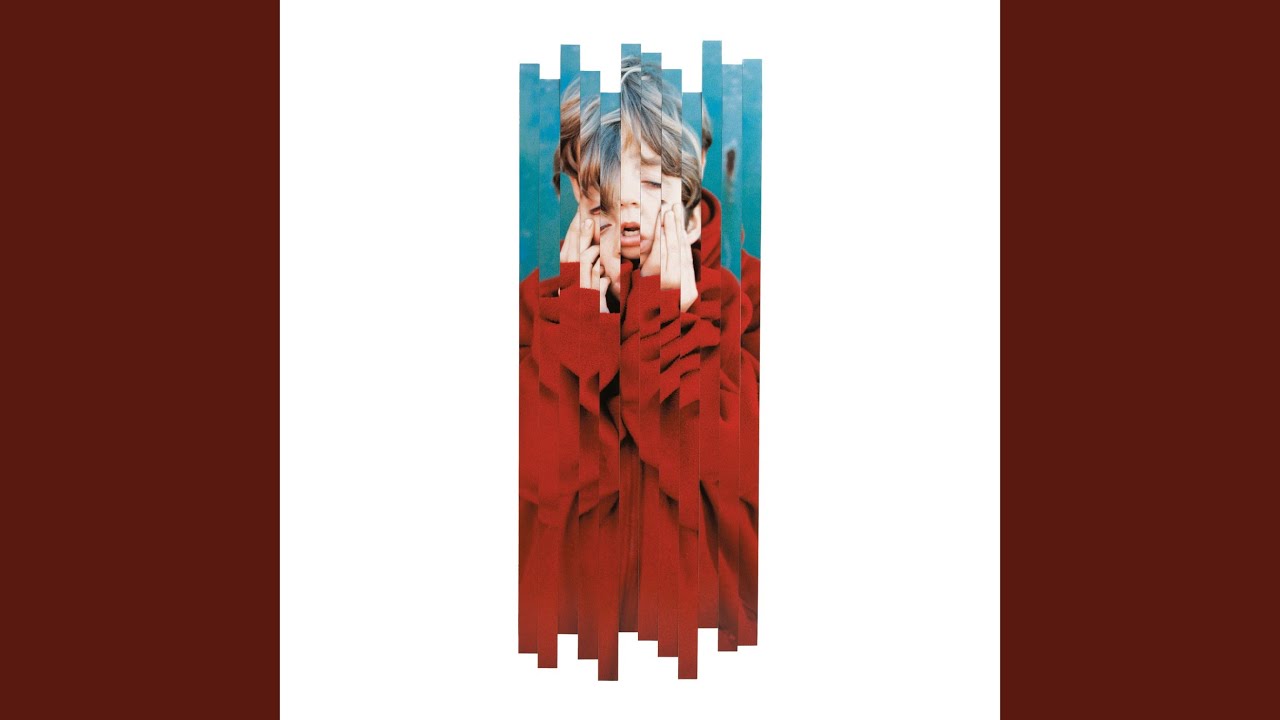
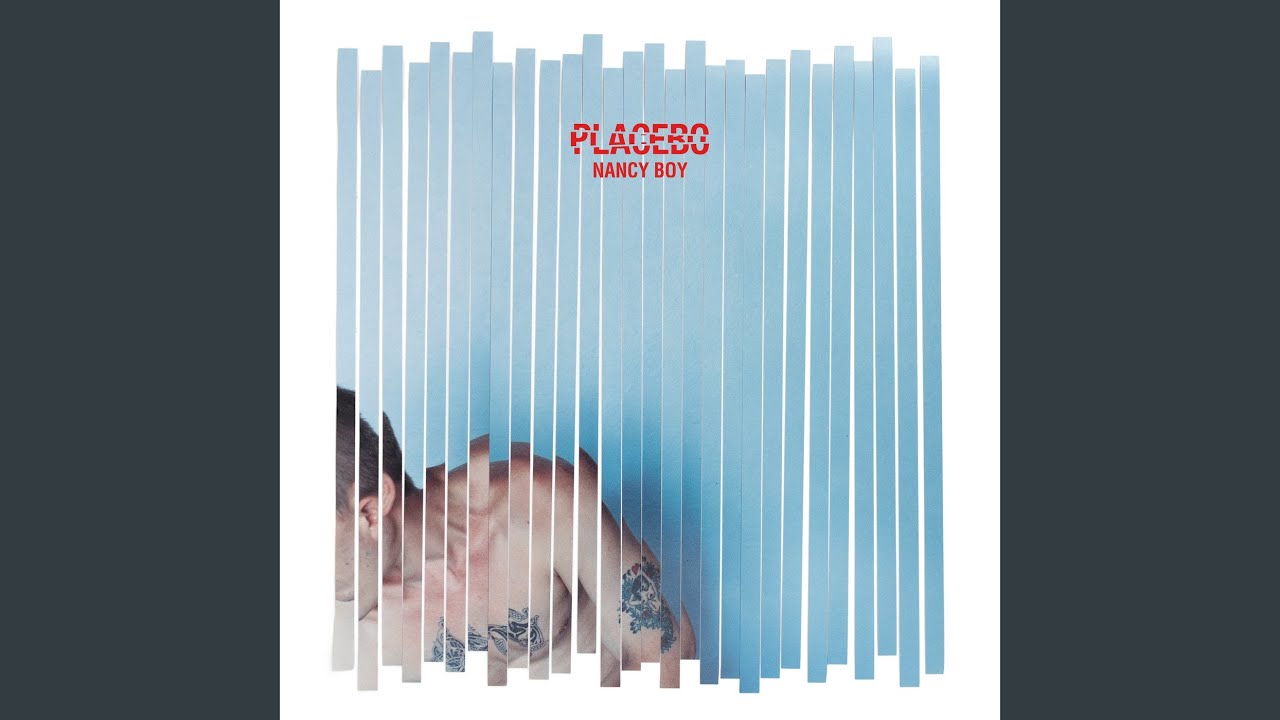
According to the band, these versions are now more reflective of how the songs have developed over three decades of live shows – and this record is much, much louder than the original mix, which was at times constraining and timid. The heavier songs sound like they are consciously levelling up to the harder, more confrontational “Sex Mix” of ‘Nancy Boy’, itself a re-record intended for the original single release, which is significantly more muscular than the album’s slower, demo-like version. Here ‘Bruise Pristine’ and the b-side ‘Drowning by Numbers’ are equally muscular. ‘Lady of the Flowers’ feels moodier, with more prominent bass in the drum mix. The propulsive opener ‘Come Home’ is granted permission to be more anthemic, albeit in a Placebo-esque way, with its chorus wider in scope and its edges sharpened. So is the case with ‘Bionic’, its wrenching intro somehow more organic and spontaneous than the original even though it’s worked over. Only ‘Teenage Angst’ sounds muddy, with Molko’s plaintive vocals gliding somewhat anchorless over a dense block of instrumentation.
The best creative approaches to back catalogue albums show maturity gained over time; an acceptance of the complexity and contradiction in past work, and an interest in pushing this further. The harder songs on Placebo RE:CREATED may be noticeably punchier, but the album’s quieter moments are the most revelatory, allowing more space for all the elements to breathe, like a demonstration of fresh understanding. The tricksy detours of ‘Hang On To Your IQ’ are more dynamic, and the shifting guitar tones more narratively compelling. The enigmatic original closing track ‘Swallow’ becomes even more textural.
‘I Know’ is treated with less care. The switches into heaviness are too sudden and sharp, jarring rather than satisfyingly dramatic. The quieter parts are drowned in reverb, turning the song’s light-touch melodrama into full-on goth pastiche. This has the odd effect of making it sound more ‘90s than the original, like Smashing Pumpkins by way of Meatloaf, and with none of the campy appeal of the latter. It will be interesting to see how this works live, and if Placebo can overcome their self-serious tendencies to wring out any knowing humour from their material – like the live re-workings of former tour mates My Chemical Romance, which strike an admirable balance of theatrical humour and emotional earnestness.
Hidden track ‘H.K. Farewell’ is arguably the most effective rework on the record. This wordless, abstract snapshot of piano, drums, guitar is made even more impressionistic and poignant with increased sonic space. Then the space is filled, as the delicate elements converge into a woozy, dream-like haze, an elongated shoegaze outro. The whole thing is grounded by a prominent rumbling bass note, a reassuring presence, and a poetic representation of the grounding that comes with age. Placebo RE:CREATED isn’t a perfect re-work, and some of its more subtle changes will only be spotted by those of us who have been playing the original album for decades. But the new version of ‘H.K. Farewell’ alone shows that Molko and Olsdal are interested in their older work as a site for new ideas, not just a tool for making money.