
Many people tend to think of Social Security in the context of their retirement plans. But Social Security doesn’t only pay retirement benefits. The program also provides benefits to people with little income or financial resources through Supplemental Security Income (SSI).
Congress created the SSI program in 1972, with the first benefit payments issued in January 1974 to provide financial support to low-income seniors and people with disabilities. As of April 2026, about 7.34 million people were receiving SSI payments. Among them, the majority were under age 65.
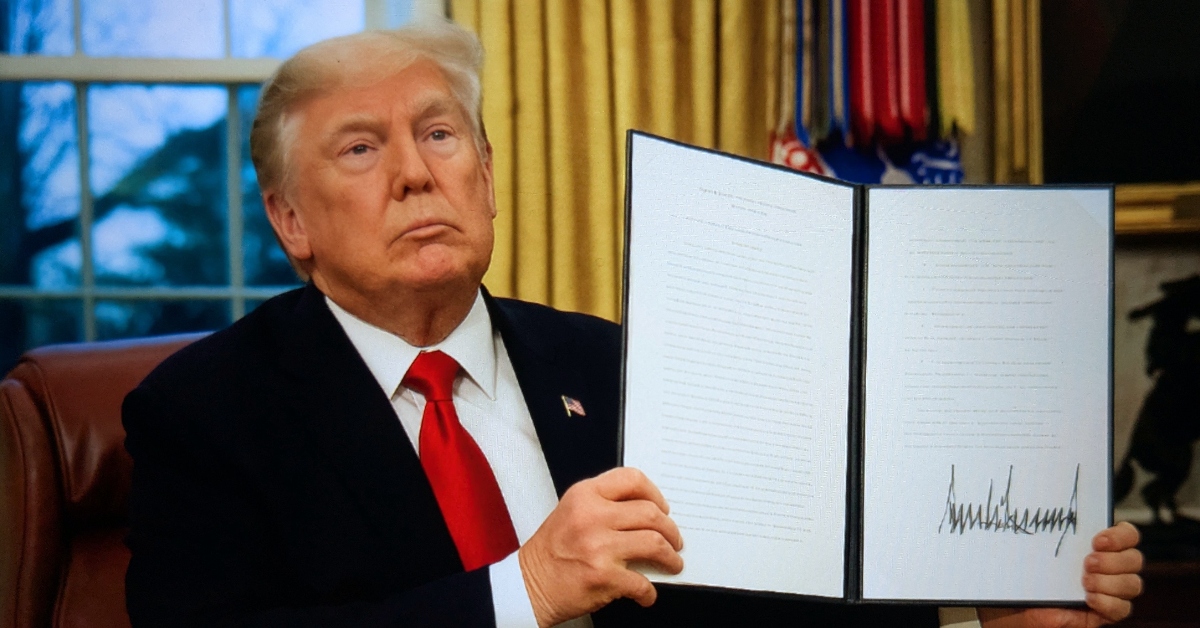
But now, a new proposal from the Trump administration could significantly reduce monthly benefits for hundreds of thousands of low-income Americans who rely on SSI, and the consequences could be horrendous if the proposed rule becomes a law.
What the proposed rule would change
The Trump administration has proposed a rule that would reverse a Biden-era protection for SSI recipients.
Under the proposal, benefits from the Supplemental Nutrition Assistance Program (SNAP) would no longer count toward the definition of a public assistance household. As a result, many disabled adults and older adults who live with family members could lose a safeguard that currently helps prevent reductions in their SSI benefits.
In 2024, the Social Security Administration (SSA) estimated that the expanded definition of a public assistance household to include SNA would result in a total increase in federal SSI payments of $15 billion between fiscal years 2024 through 2033. Reducing access to benefits by changing that definition could save the program a lot of money.
Shopping for cheaper auto insurance? Enter your zip code here to get started.
Some beneficiaries could see smaller checks
Under the Biden administration’s expanded definition of a public assistance household, households qualified even if only one member was eligible for a qualifying public benefit, including SNAP. Trump’s proposal seeks to remove SNAP from the list of eligible programs and revert to a stricter policy in which every member of a household must receive public assistance to qualify.
For SSI beneficiaries living with family, this change could have severe consequences. If the new rule goes into effect, any assistance an SSI recipient gets from family, such as shelter or shared meals, could be counted as unearned income. That unearned income could be used to reduce SSI payments, even if the family’s income is low enough to qualify for food benefits.
Some payments could drop by $300 a month
Right now, the maximum federal SSI benefit stands at $994 per month for an eligible individual. According to estimates tied to the proposal, some beneficiaries could see their monthly checks reduced by roughly one-third. That would lower a maximum monthly payment from $994 to approximately $663 – a decrease of about $331 per month.
For people already living near or below the federal poverty line, losing that amount could make it significantly harder to pay for necessities such as rent, utilities, transportation, medications, and food.
The SSA has estimated that around 275,000 beneficiaries would experience reduced payments if the proposal goes through. Worse yet, over 100,000 additional individuals could lose SSI eligibility entirely under the revised rules.
The SSA has argued that the proposal is necessary to maintain consistency within the SSI program and protect its long-term viability.
Why SSI recipients shouldn’t panic yet
SSI recipients may be inclined to panic in light of the aforementioned proposal. But the important thing to remember is that as of now, it is just a proposal, and not an official law.
Before any federal regulation can take effect, it must go through the formal rulemaking process established under federal law. That includes the public comment period, where advocacy groups and policy experts can submit feedback in support of or opposition to the proposed change.
Current SSI payment rules should remain in effect until a final rule is issued and an effective date is announced. Those looking to monitor the situation can check the Federal Register or the SSA’s website.
Bottom line
Critics of looser SSI guidelines say they disincentivize recipients from trying to go out and make extra money. But the reality is that many SSI recipients are limited in their ability to work. In 2024, for example, 84% of people receiving SSI payments qualified for them because of a disability or blindness.
Losing a large chunk of SSI payments could be extremely detrimental to the people who rely on that income. And the new rule could put an additional financial strain on vulnerable Americans who rely on family assistance.
However, the proposal is still only a proposal. If critics and policymakers voice their concerns, Trump’s new rule may not go any further. In fact, if there’s enough backlash, the proposal could be withdrawn completely. That could spare hundreds of thousands of people from seeing their critical SSI checks reduced.
Subscribe Today
Unlock the Best Banking Deals and Bonuses
From high-yield savings accounts to cashback checking and sign-up bonuses, we bring you the best banking offers to grow your money smarter.