
“Bowel cancer is one of the most treatable cancers when found early, with around 90% of cases curable,” he said.
“But far too many New Zealanders still don’t know what symptoms to look for or assume they’re too young to be at risk.
“The most dangerous myth about bowel cancer is that you’re too young to get it.”
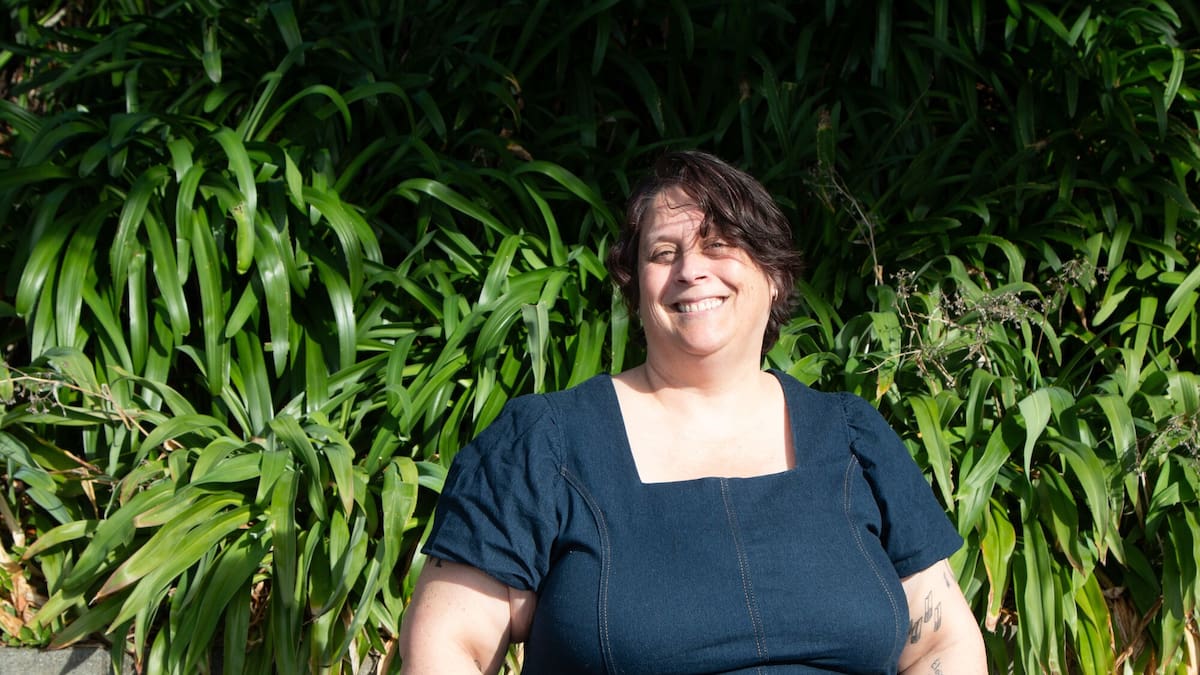
Former Whanganui, now Feilding, resident Masson was 44 when she was diagnosed with bowel cancer.
In late 2021 she noticed blood when she went to the toilet.
“I thought, ‘Hang on, this is happening a few times a week and a lot, so that’s not right’.”
She saw her GP and scheduled a colonoscopy, which revealed a tumour – a moderately differentiated adenocarcinoma – growing in her bowel.
Masson is mother to two children and a stepdaughter.
“I remember when we told the kids the first time, and they asked if my butt was going to glow in the dark after radiation treatment.”
Humour was key for all of them throughout her cancer journey, she said.
“I like to say, I beat butt cancer’s butt twice.”
The tumour disappeared after five weeks of chemotherapy but about a year later a second tumour in the same area was found.
She had surgery to remove the cancer in March 2023. A planned four-hour keyhole surgery turned into an extensive open operation, she said.
“They cut me open from below my breast all the way down to my C-section scar, basically.”
She spent a week in intensive care and the next several in and out of hospital with infections and Covid-19.
“[The first day after surgery] I had so many drain bags … it took 20 minutes to get me off the bed.”
She now lives with a permanent colostomy bag, nerve damage and bladder complications from radiation, and requires regular pain management.
“At the end of the day, I’ll put up with that because I get to be around and see my children live very independent, happy lives, and I’m very proud of them, and I’m there for that.”
She is cancer-free as of this month.
Masson’s lack of embarrassment and quick action to have her symptoms checked may have saved her life, she said. She is below the typical screening age of 58 for bowel cancer in New Zealand.
If she had waited a year until her next scheduled GP visit, it would have been “a whole different” story, she said.
“People don’t like to talk about bodily fluids in any shape or form.”
Masson, originally from France, lived in Whanganui from 2004 and moved to Feilding in 2025. She said she had never felt shy talking about these things because they were part of being human – “maybe it’s because I’m French”.
She uses her openness about her cancer story to combat stigma and advocate for awareness, including pushing for better disability toilets and sharing her experience changing a colostomy bag.
“[Bowel cancer is] not something you hear about very much, and it affects so many people.”
More people needed to move past their embarrassment and be open about bowel cancer symptoms, she said.
“It does happen to people younger, and there needs to be an awareness that if there is something concerning you, you should definitely go see your doctor about it and keep pushing until you get answers.”
Early bowel cancer symptoms include:
Blood found in stool or from the rectumA persistent change in bowel habitsOngoing or severe abdominal painUnexplained fatigue or weight lossA lump or swelling in the abdomenBowel Cancer New Zealand patient support and community engagement team lead Victoria Thompson encourages people to get any symptoms checked. Photo / Erin Smith
Whanganui-based Bowel Cancer New Zealand patient support and community engagement team lead Victoria Thompson said fear and embarrassment were often why people shied away from getting symptoms checked.
“Your doctor’s heard it before. It’s not going to be anything new to them to be talking about.”
Many symptoms could also be indicators of less serious conditions, such as anaemia, which still required medical care, she said.
One symptom is enough to warrant a GP visit, and waiting for more can waste critical time.
Later detection of bowel cancer increased the risk of recurrence, spreading and more extensive treatment, Thompson said.
“If it’s causing you concern … go and have a chat. If you’ve got more than one, absolutely go and have a chat with your GP.
“Sometimes it is just being brave enough to start the conversation.”
A visit to a GP is the first step recommended by Bowel Cancer New Zealand.
Its website advises patients whose doctor says they are “too young” to be at risk to seek a second opinion. The site offers services and further advice.
Patients should mention any symptoms and any family history of cancer, Thompson said.
“Don’t die of embarrassment.”
Free testing every two years is available through the National Bowel Screening Programme for people aged 58 to 74 who are eligible for publicly funded healthcare. Eligible people receive an invitation letter, consent form and a free test kit by mail.
The screening age will drop to 56 in September.
June is New Zealand’s bowel cancer awareness month.
Erin Smith is a multimedia journalist based in Whanganui.