
Poll finds strong opposition to selling conservation land
Morning Report
The majority of New Zealand voters oppose selling public conservation land, a new poll has found, and politicians who support it could lose votes.
The government’s Conservation Amendment Bill could make up to 60 percent of public conservation land eligible for sale or exchange.
The Curia Market Research poll was commissioned by Forest & Bird and surveyed 1000 voters from across the political spectrum.
It found two-thirds of voters are opposed to selling public conservation land, while only 25 percent back it.
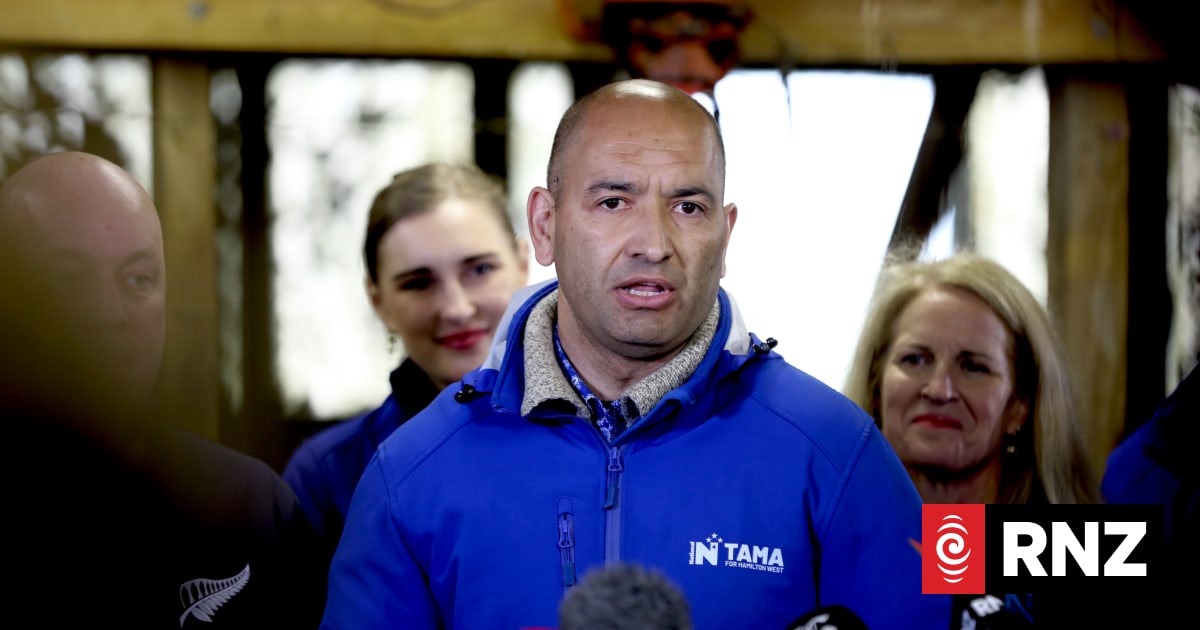
Conservation Minister Tama Potaka has previously said it was not accurate to say the government was preparing to sell large areas of public conservation land.
Instead, he said the bill would make it clearer when considering possible sales or exchanges if doing so would improve conservation outcomes.
Close to half of survey respondents said they would be less likely to vote for a party that supported allowing the sale of public conservation land.
Forest & Bird chief advisor Richard Capie said New Zealanders had sent a clear message to politicians: public conservation land was not for sale.
“If those politicians come out and say that this is something they support, they will lose votes,” Capie said.
“Political parties should be paying close attention. The voters that every political party needs to win this election do not want conservation land up for sale.”
Opposition was visible across rural and city voters, he said, and above 50 percent of coalition voters.
Capie said the proposed changes would also open up public conservation land to new types of development, and require the Department of Conservation (DOC) to factor in economic development in its decision-making.
“They’re some of the headline concerns that exist around this legislation – 100 percent economic development, 60 percent at risk of sale, and changing the very purpose of DOC,” he said.
He was not opposed to economic activities, but said they needed to make sure they did not interfere with conserving precious, biodiverse places.
“New Zealanders are telling us loud and clear in an election year that selling conservation land is something they will not support,” he said.
“These are the places people tramp, swim, camp, climb, hunt, fish, and take their kids. They are the wild places that we treasure.”
Capie said New Zealand had a responsibility to look after the conservation land that remained, as it is where native species live, forests grow and freshwater came from.
The bill is currently open for public submissions.
Forest & Bird called on political parties to oppose the amendments that would make selling conservation land easier.
‘No plan or programme around sales’ – minister
Speaking to Morning Report on Monday, Potaka said previously told RNZ that DOC was not embarking on a programme to sell and the bill did not direct or require any land to be sold.
“New Zealanders need to know the facts – we’re protecting the estate, not selling it. The bill doesn’t set up a plan or programme to sell 60 percent of the conservation land. That’s just scaremongering and mischievous.”
Potaka said DOC could already sell land and did so regularly, “but the process to go through it is very clunky. It can take up to 10 years.”
He called himself the “biggest fan of conservation and kaitiakitanga in Parliament”.
“What we’ve said in the bill is that there’s a whole bunch of land that can never be disposed of, and that includes national parks and wilderness reserves and nature reserves.
“And then there’s other types of land that we should consider. However, there’s no way in the world that we’re going to consider selling off even 6 percent of the land, probably even 1 percent of the land.”
He declined to comment on a map of land activists said would be up for sale under the bill.
“There’s no plan or programme around sales. What we’re saying is there are national parks and a whole range of other pieces of land classifications.”
Asked if requiring more economic development on DOC land was a shift away from conservation, Potaka told host Ingrid Hipkiss she was “starting to mix up the kombucha with the coffee”.
“That particular provision sits within the overarching purpose of the Conservation Bill and Conservation Act, which is conservation.”
Potaka insisted the chances would only affect “small parcels” of DOC land. Asked if the proposed bill would allow larger areas such as the Tararuas – mountain range in the lower North Island – to be sold, Potaka said “no one’s talking about the Tararua Range” and there was “no programme, there’s no plan”, but did not directly deny it could happen.
“What we’re talking about are things like, and adjacent to the Tararua Range, the Levin boys’ borstal home that has an asbestos-ridden building and has no connection to mine… There may be something like a borstal home on a recreation reserve, it’s not the whole reserve. We’re not talking about that.”
Trampers say new conservation bill deeply problematic
Morning Report
Federated Mountain Clubs said proposed changes to the Conservation Act would radically change DOC’s role.
“The whole purpose of the Department of Conservation changes, instead of just managing conservation land, they have to enable the economic use and development of it to the greatest extent possible, ” spokesperson Robin McNeill said.
They added that the bill places all decision-making on conservation land with the minister.