
When I worked at McDonald’s, we’d see queues out the door. Burgers, chips and a drink were a cheap feed that Kiwis couldn’t get enough of. Today, there are 177 McDonald’s restaurants around the country.
Last week, Burger Burger announced it was in receivership and $1.8 million in the red.
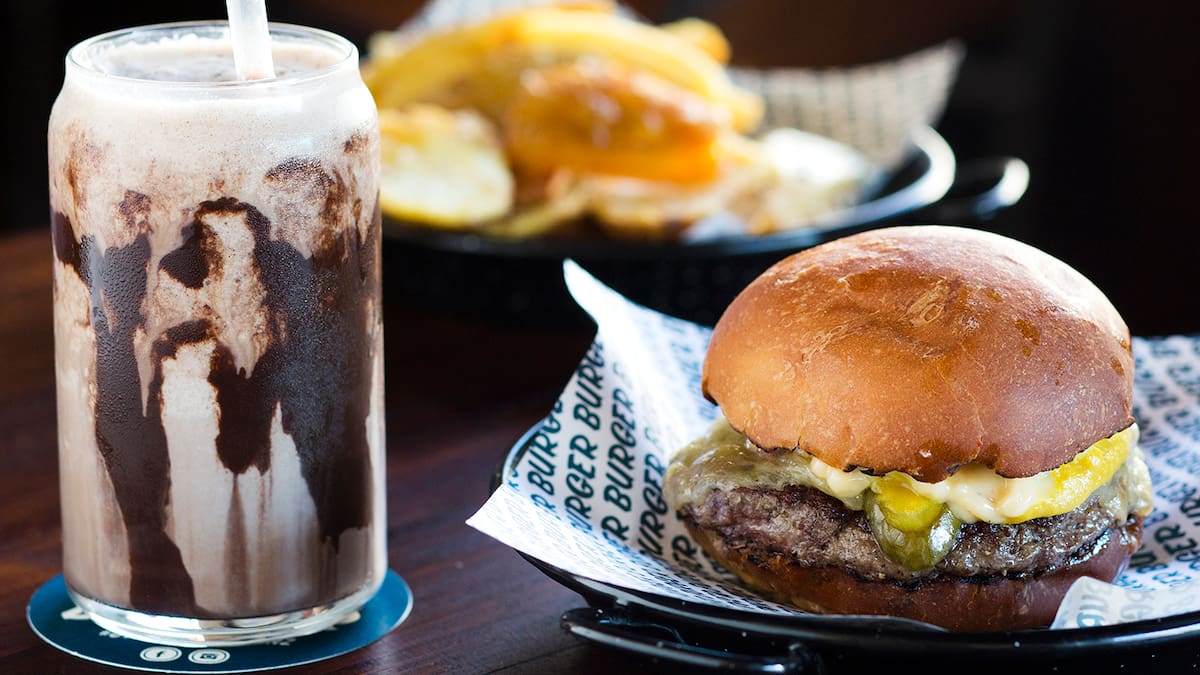
Burger Burger opened its first restaurant in Ponsonby in 2014 and now has seven locations offering sit-down dining in upscale (for a burger joint) surroundings. As well as burgers, fries and tacos, they also serve a range of beers, wines and even cocktails. The staff are fun, the food is great and did I mention you could get a beer with your burger?
On the face of it, you’d think that was a recipe for success, and on the face of it, for a while it was.
A look at Burger Burger’s menu though shows that despite its promise of “quality ingredients at an affordable price”, the 2026 cost of the humble burger is a long way from it. The cheapest one will set you back $19.50, but if you want to throw on a Kiwi-style egg, slice of beetroot and some bacon, you’re looking at $27. Add fries ($11) and a Coke ($7) and your cheap eat just set you back $45.
Now, despite my extensive, if dated, quick-service restaurant experience, I’m in no position to provide advice on how to run a profitable burger joint. I do know a bit about small businesses though, and how to keep customers coming in when they’re struggling to pay the power bill, let alone splash out on an espresso martini with their smashburger.
It’s not that people aren’t still buying takeaway food. My local branch of a national sushi chain sells as much of their $8.40 daily special as they can make. Down the road from my office, a very friendly bloke is flat out selling $13.90 pokē bowls. At the weekend, I join the queues of tradies, football parents and truckies at bakeries in rural North or South Auckland to buy an $8 pie.
And just down the road from the original Burger Burger, Ponsonby’s second-longest serving restaurant soldiers on as it has done for decades. It might not always be cheerful – fluorescent lighting and perpetually greasy lino come with the territory – but it’s certainly cheap. If you have $10 in your pocket and don’t mind people seeing you driving out of the dirty bird drive-through, then you’ll find something on KFC’s menu to fill a hole. And the $45 you could easily spend on lunch for one at a fancy burger place would get you a decent bucket of fried chicken to share. A bucket!
None of those places are fancy to look at, but the food arrives quickly and priced at a point where people can go there without checking their credit card balance first.
Is there a place for upmarket burger chains? Ever since Burger Wisconsin blew our suburban minds in 1989 with its unheard-of alchemic blend of chicken, camembert and cranberry, plenty of New Zealand brands have tried to convince us that there’s more to a burger than a slice of minced cow served in bread.
Mimi Gilmour’s Burger Burger has been placed into receivership. Photo / Babiche Martens
Petrolhead-themed Burgerfuel stands out, mixing classics with imaginative limited-time menu offerings, all while keeping the entry price at about $15. (A Big Mac these days will set you back $11.70.) And if authenticity is what you’re after, your local fish and chip shop – no cocktails, no curated soundtrack – will still whip up a burger worthy of the name for even less than that.
Thirty-cent hamburgers are long gone. The arrival of $30-a-kilo beef mince and the cost of rent, salaries and the rest of it guarantees that. It just feels like the burger price pendulum has swung a little far.
Honestly, I love a fancy burger. I can’t promise you I could tell the difference between wagyu beef and a retired dairy cow, but fancy lettuce, blue cheese, a jalapeno here and there… bring it on. Joints like Burger Burger have done a great job of – buzzword alert – elevating the classic hamburger. But to me it feels like the category has elevated the price even more, leaving most of us behind in the process.
(Immediately after filing this column last week, I had dinner at Burger Burger and was happy to report that while the price makes it a sometimes food, it was in every other respect excellent.)
Vaughn Davis is the creative director of Auckland advertising agency The Goat Farm.
Catch up on the debates that dominated the week by signing up to our Opinion newsletter – a weekly round-up of our best commentary.