
Droughts that were once in a generation are now nearly “every other year”, creating less water and more frequent restrictions, he said.
“Rather than wait for each person to try and fix the problem on their own, the plan gives us a coordinated response across all the different communities and agendas,” Wilding added.
The upcoming “super El Nino” forecast for this summer only emphasises the need for future direction, as it raises the concern of drought risk significantly, Wilding said.
Investment lies at the heart of the solution however, as public and private stakeholders alike “will need to make investments of their own to improve water security”, according to a council agenda.
Combined with the specifically tailored price tag to differing needs and locations, Wilding said it will be up to communities as to how much they’re willing to spend to ensure water security.
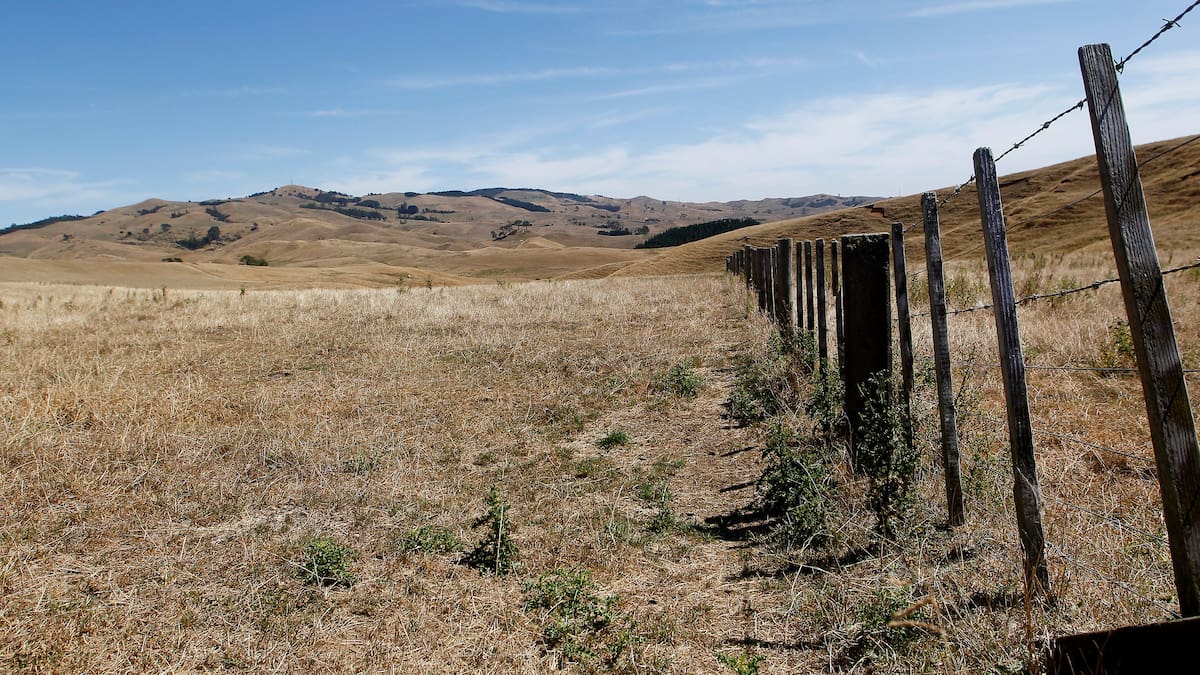
It will be up to private and public stakeholders to decide how much investment will be put into local communites, not regional council. Photo / Danielle Zollickhofer
“It’s not just if you have a need, but can you afford it? Will you be able to afford it next year, what is the risk going forward for a given town [or] farming community … how much can they buffer themselves from that risk?”
“The plan is pretty much completed now. In terms of when will people have a more secure water supply, that’ll be a journey.”
Wilding said the rollout of the plan is set to be bulletproof to amalgamation as well as water takeover, referencing how the contracted outfit Beca has “done a really good job”.
“Another reason for going with that adaptive planning pathway is so we’ve got a plan that can be implemented regardless of who’s calling the shots on what decision.”
“A lot of these shots will lie with other agencies that aren’t regional council … [it’s] giving ourselves the best shot of getting something worthwhile for the Waikato region regardless.”
– LDR is local body journalism co-funded by RNZ and NZ On Air.