
“For a little while there, it felt like we had a bit of reprieve, but it definitely feels like it’s back in full force.”
The difference, according to Turnbull, is that in the 80s, restrictive body ideals were largely confined to magazines and television, but these days those messages can follow a person everywhere, all day, on their phone.
“These images around body shape, size, what you eat, and encouragement to look a different way are potentially in someone’s face 24/7,” Turnbull said.
“Weight-loss drugs mean celebrities or people with influence have changed the shape of their bodies very rapidly,” Turnbull said.
“People see that online and think it’s normal, [but] smaller body does not always equal a healthier body.
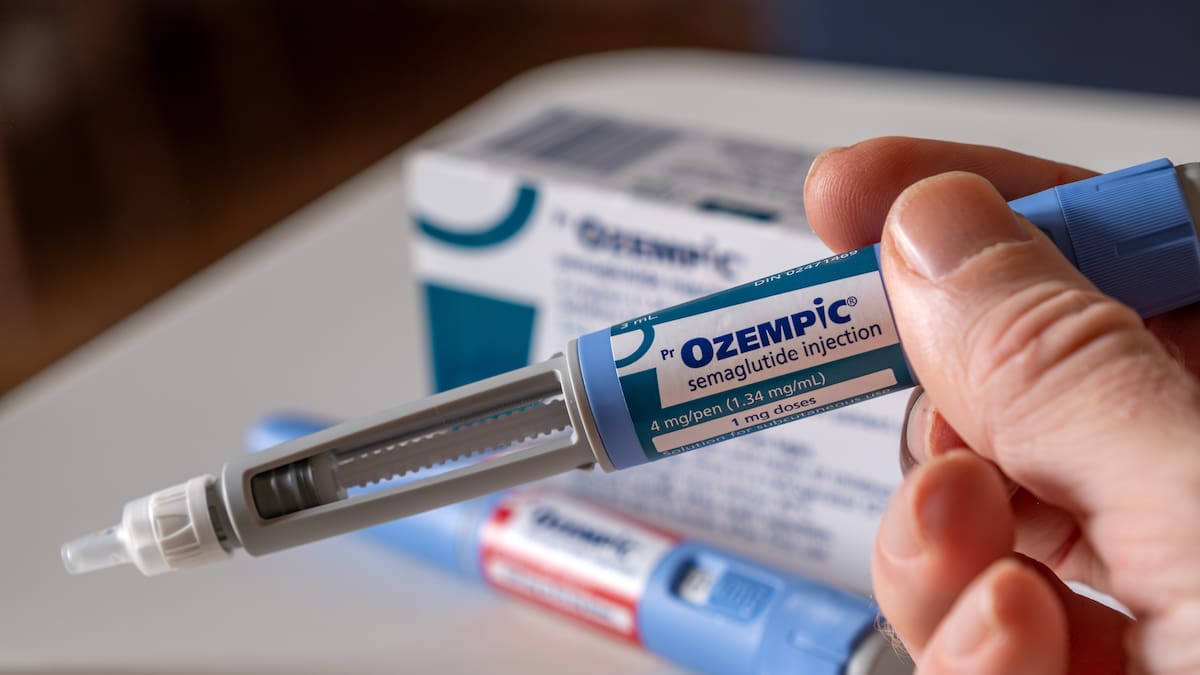
Weight-loss medications or GLP-1s, such as Ozempic, were approved by Medsafe for use in New Zealand in 2023.
“Unfortunately, when it becomes normal online, it becomes normal in terms of what people think they need to do themselves, and the cycle goes back.”
She said the medications were intended for people with poorly controlled type 2 diabetes or weight issues seriously affecting their health.
“They are not recommended for people who have gained weight through pregnancy or are struggling with weight in midlife,” Turnbull said.
But she said that distinction has blurred, particularly overseas.
After a recent trip to Britain, Turnbull said, “it was wild” how freely available the drugs were online, often used by people simply wanting to lose a small amount of weight.
When people lose weight quickly, about 30% of the weight they lose can be muscle mass, “which is incredibly damaging for your health and wellbeing”, she said.
“When people are on these drugs for medical reasons they should be monitored, strength training, eating adequate protein and in some cases actually forcing themselves to eat enough to stop that muscle loss.”
But “people accessing these things via the internet, or just taking them because they want to lose 5kg, a lot of the time aren’t doing those things”.
She said this “skinny-tok” trend is “really harmful”, psychologically and physically.
The National Alliance for Eating Disorders defines #SkinnyTok as a side of social media that glorifies extreme thinness, “what I eat in a day” videos, low-calorie recipes and dramatic body transformations.
At first, videos may appear helpful for lifestyle advice, but they send a message that worth is tied to your weight, and thin is best.
“People become obsessed with the way they look, developing a dysfunctional relationship with food, eating disorders become more common, self-worth becomes linked to what you look like, and it affects people’s relationships,” Turnbull said.
“Physically, if you are not eating enough, it’s highly likely you’re gonna be malnourished, under-fuelling and constantly compromising your bone health.”
For a short time, it was “let’s be well, stronger, look after our muscles and our brain”, Turnbull said, “now the narrative is going completely against all that”.
Dr Meg Vardy, who this year is launching New Zealand’s first dedicated eating disorder charity, JourneyED, is a clinician and someone with lived experience of anorexia.
“I grew up in the 1990s… and that’s had an impact on me, the way I view bodies and my worth based on my size.”
She said the key influences were, “magazines, shows like Friends and characters like ‘Fat Monica’, and the ripple effects of that on our culture were huge”, Vardy said.
Courtney Cox (left) as Monica Geller in Friends. Cox wore a fat suit for flashback scenes portraying a “Fat Monica”.
“Now the introduction of GLP-1s is going to completely change our relationship with food again.
“My concern is for the younger folk who are being exposed to this on social media, but also for women as we age and the impact this is having on accepting that ageing involves changes in our body.”
Turnbull said people’s social media feed is like an “echo chamber of ideals” and that influence is “enormous” and “scary”.
“If you are following people who look very thin and the diet stuff, you’re just going to get taken over by that ideal.”
Her advice is to be aware there’s a choice in how to engage.
“It’s not you that’s the problem, it’s what you’re watching,” Turnbull said.
“I make a massive effort on my social media feed to expose myself to normal bodies because that is what is actually more normal and healthy,.
“Ask yourself, is what I’m watching, reading and doing helping me feel good and become a healthier version of myself? Or is this harming me?”
Nutritionist Claire Turnbull cautions that a smaller body does not always equal a healthier body.
Turnbull also had a message for parents.
“One of the most challenging things for parents is watching their children engage with this information about bodies and diet.
“As a parent, how you eat yourself, and what you are showing your children subconsciously is more important than what you say to them in words,” Turnbull said.
“A lot of parents are telling their kids all the right things, but are restricting themselves, dieting, commenting on their own bodies in front of their children.
“That is really damaging, [because] they are watching what you do, not listening to what you say.”
Rosie Leishman is a reporter and multimedia journalist based in Ōtautahi, Christchurch. She joined Newstalk ZB in 2025, after experience working at the Bangkok Post in Thailand. She has a keen interest in social issues, the environment and general news.