
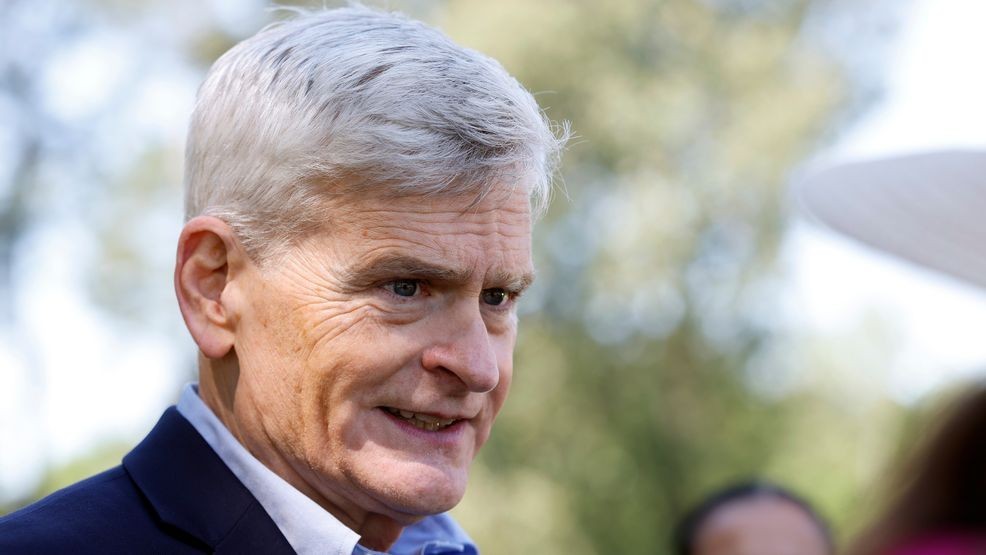
HUNT VALLEY, Md. (TNND) — Senator Bill Cassidy, the Louisiana Republican being forced into retirement by President Donald Trump, is pushing to replenish Social Security before he leaves office.
The program’s trustees estimate the purse for retirement funds will begin to empty in 2032, when they say its reserves will run out and benefit payments will become delayed. Cassidy, 68, has urged colleagues on both sides of the aisle to help prevent a potential interruption in 22% of scheduled payouts.
“I’m a retiring, so to speak, senator,” he told CNBC earlier this month. “I want to get it done before we leave, so there is impetus to get it done.”
Congress has yet to take meaningful steps on the program despite increasingly concerning reports by Social Security’s trustees. The One Big Beautiful Bill Act it passed last year even narrowed the revenue stream to the retirement purse, according to the officials.
“The Trustees recommend that lawmakers address the projected trust fund shortfalls in a timely way in order to phase in necessary changes gradually and give workers and beneficiaries time to adjust their expectations and behavior,” they said in a statement earlier this month. “Implementing changes sooner rather than later would allow more generations to share in the needed revenue increases or reductions in scheduled benefits.”
Cassidy has suggested a $1.5 trillion investment in a market fund that over the next several decades could grow to cover Social Security’s shortfalls. He said in a letter to The Wall Street Journal last week that the plan would shore up the retirement program without other strategic tax hikes or benefit cuts.
“This approach has already worked with the Railroad Retirement system, which maintains broad bipartisan support,” the senator wrote, referencing turn-of-the-century changes to the the program. “Similarly, our plan would allow workers and retirees to benefit from the growth of the American economy while preserving the program for future generations.”
Cassidy’s proposed investment has inherent risk, however. The stock market’s ups and downs would expose Social Security to instability, which has intensified in the past few years with pandemic-driven inflation and Trump’s volatile policy pursuits.
“Stock market investment is risky – particularly when done from borrowed funds,” the Committee for a Responsible Federal Budget, a Washington, D.C. think tank, said in a March analysis of Cassidy’s plan.
“While there are public pension programs that rely on the stock market – for example, the National Railroad Investment Trust, California’s CALPERS pension fund, and the Canada Pension Plan’s investments – they are much smaller than Social Security and their investments are made on a funded basis by investing new resources to help fund future benefits, not from additional borrowing,” the organization wrote.
Do you have questions, concerns or tips? Send them to Ray at rjlewis@sbgtv.com.