
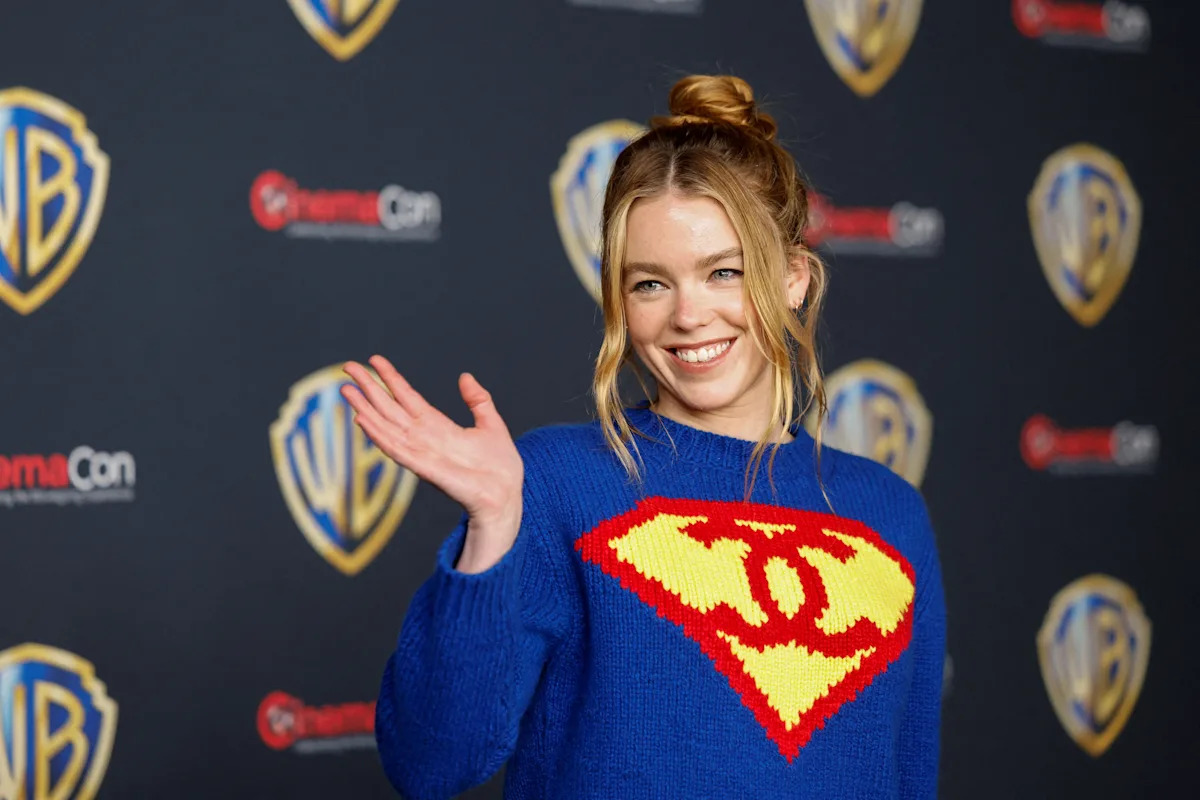
The latest DC film is arriving with a whimper. Supergirl, the Craig Gillespie-directed followup to James Gunn’s Superman, hits theaters this weekend to a middling critical reception.
Supergirl is currently 57% on Rotten Tomatoes, making it one of the lowest-rated DC films of recent memory. It has the unfortunate distinction of being tied with a reviled film among comic book fans: Wonder Woman 1984, Patty Jenkins’ sequel to Wonder Woman. It’s one percentage point above Zack Snyder’s Man of Steel, the impossibly dull Superman movie starring Henry Cavill.
It’s a tough blow for DC, which hoped to build off the positive momentum Superman brought last year. Gunn, the CEO of DC Studios, didn’t write or direct Supergirl, and his lack of direct participation is glaring. That’s the issue with tasking a filmmaker who has a singular vision with running an entire studio. Some films may not effectively communicate the sensibilities Gunn imbues into his own work, leaving them feeling less significant or unoriginal.
Was Supergirl was in the right creative hands?
Gillespie is a veteran filmmaker with a distinct visual style who’s enjoyed success with I, Tonya and Cruella. He’s never worked on a comic book movie, however. Neither has screenwriter Ana Nogueira, as Supergirl is her first produced feature-length screenplay.
It’s astonishing those were the two selected to carry the torch for the DCU. At least Clayface, a body horror film that’s next on DCU’s calendar, is directed by someone familiar with the genre in James Watkins (Speak No Evil, Eden Lake) and is penned by Mike Flanagan, who’s written a litany of successful Stephen King adaptions over the years.
Supergirl, which cost $170 million to produce, is expected to make between $47-50 million in its opening weekend, according to Variety.
This article originally appeared on For The Win: ‘Supergirl’ reviews: DC film joins ‘Wonder Woman 1984’ in Rotten Tomatoes infamy