
The wellness hub will start from the end of July, based in Whare Āwhina’s support cafe on Cameron St, initially for two or three days a week, Webber said.
People will be able to walk in and see a health improvement practitioner (HIP), who provides short-term support for mental distress and behavioural challenges, a health coach or a mental health expert.
Webber said it was not always easy to access services such as primary healthcare, especially for those without residency.
He saw the wellness hub as the first port of call for people on their journey, with the aim of linking them to more support.
A new integrated IT platform, called the Homeless Outreach Team (Hot) response, will help list a person’s needs in real time, so agencies such as MSD, Kāinga Ora or primary healthcare can see what is required.
Memorandums of understanding (MOU) were still to be worked out, such as committing agencies to respond in a certain timeframe, Webber said.
Jensen Webber, from primary health organisation Mahitahi Hauora, says agencies coming together will be key to the new services’ success.
“We’re still developing what these MOUs look like but it’s very encouraging because everyone has made a commitment through the Mayoral Taskforce, publicly supporting this work.
“It’s a community response to the need.”
Webber was adamant the services were not about moving homeless people out of the CBD but giving them the help they need.
No one would be forced into the services, he said.
Webber gave the example of a person living under a bridge, who couldn’t access services because they didn’t have an address or they might have been trespassed.
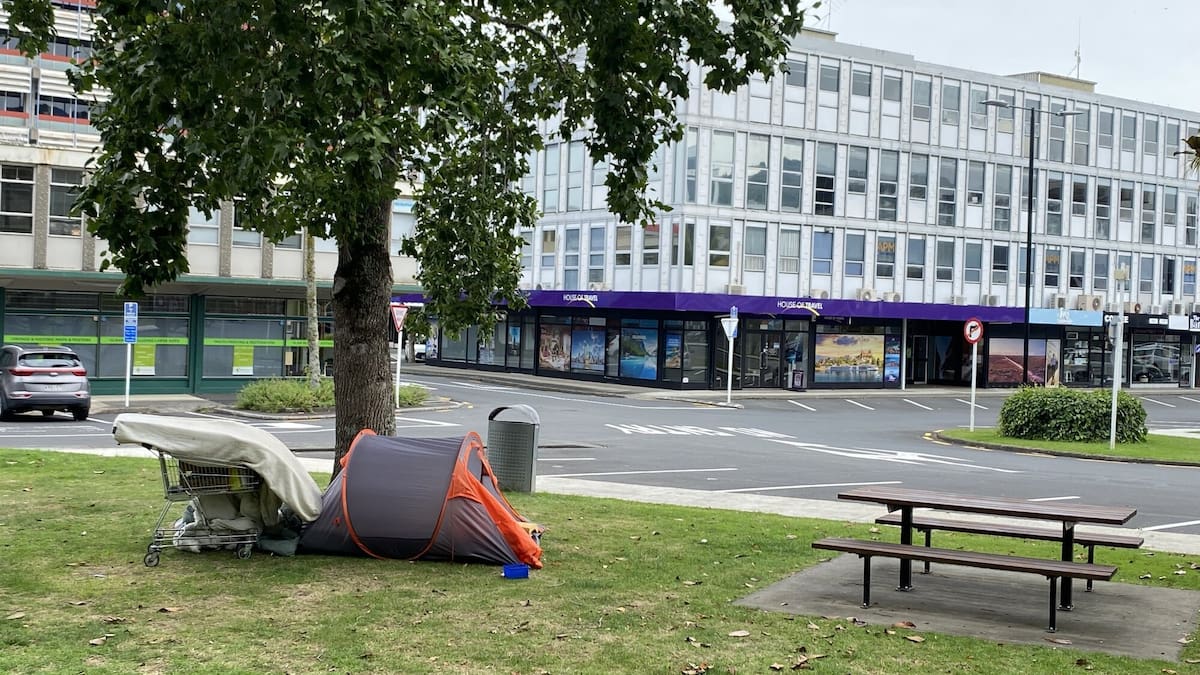
Whare Āwhina’s support cafe for rough sleepers, which opened on Cameron St in May 2025, will be the site of the wellness hub. Photo / Denise Piper
The Hot response would help agencies find the person to deliver services.
Webber believed the wellness hub and Hot response platform were unique in New Zealand.
If successful, they could be rolled out across Northland, he said.
Whangārei Mayor Ken Couper said the co-ordinated, multi-agency response to rough sleeping in the CBD was one of the most significant pieces of work in progress by the taskforce.
“Although services exist, until now they have not been connected in a way that helps people access them all in one place,” he said.
Couper said the wellbeing space will give immediate support for people in distress and the Hot response will help with co-ordinating any action, so no one falls through the gaps.
Other taskforce projects underway include establishing an alcohol accord to ensure a vibrant and safe nightlife and the council’s new parking technology, he said.
Denise Piper is a news reporter for the Northern Advocate, focusing on health and business. She has more than 20 years in journalism and is passionate about covering stories that make a difference.