
A Kennedy Park Resort spokeswoman said the boy had not paid to play the game and got stuck after reaching into the machine to try to reach an object he wanted.
A witness described the boy as “very upset” and said he panicked after being unable to pull his arm clear.
Onlookers, including one of his older siblings, supported him until firefighters arrived, they said.
“There were a lot of tears.”
Fire and Emergency New Zealand freed the boy’s arm after removing the door from the machine. The Kennedy Park spokeswoman said the boy was not injured.
She said it was the first such incident the business had experienced with any of the vending and claw game machines at the park.
In Napier last month a boy had to be freed by firefighters after getting an arm stuck in a vending game machine at Kennedy Park Resort. Photo / NZME
Last year ACC paid $53,727 related to 13 vending machine injuries that occurred during 2025 and ongoing treatment for a further 13 injuries that happened in previous years.
The ACC data did not specify the types of injuries or their seriousness.
Previous domestic and international research suggests some of the most common injuries from vending machines are back strains suffered by those moving the units, which can weigh up to 430kg.
Other frustrated users have received crush injuries, cuts and fractures when trying to retrieve items they had paid for but got stuck in the internal mechanisms of machines.
Firefighters removed the door to a vending machine to release a boy’s stuck arm last month. Photo / NZME
Even a baby had had a lucky escape. Eight years ago, a 1-year-old got stuck after managing to climb into a claw vending machine that offered rugby balls to paid players at the Waihī Beach RSA. Onlookers were able to free him before firefighters arrived.
Jorge Villarreal, owner of Auckland-based commercial vending supplier Shnackz Vending, told the Herald he had policies in place to help ensure no one was injured by any of his machines.
That included placing them in areas under video surveillance in a bid to deter people from putting their hands into them.
His machines also feature stickers with safety information.
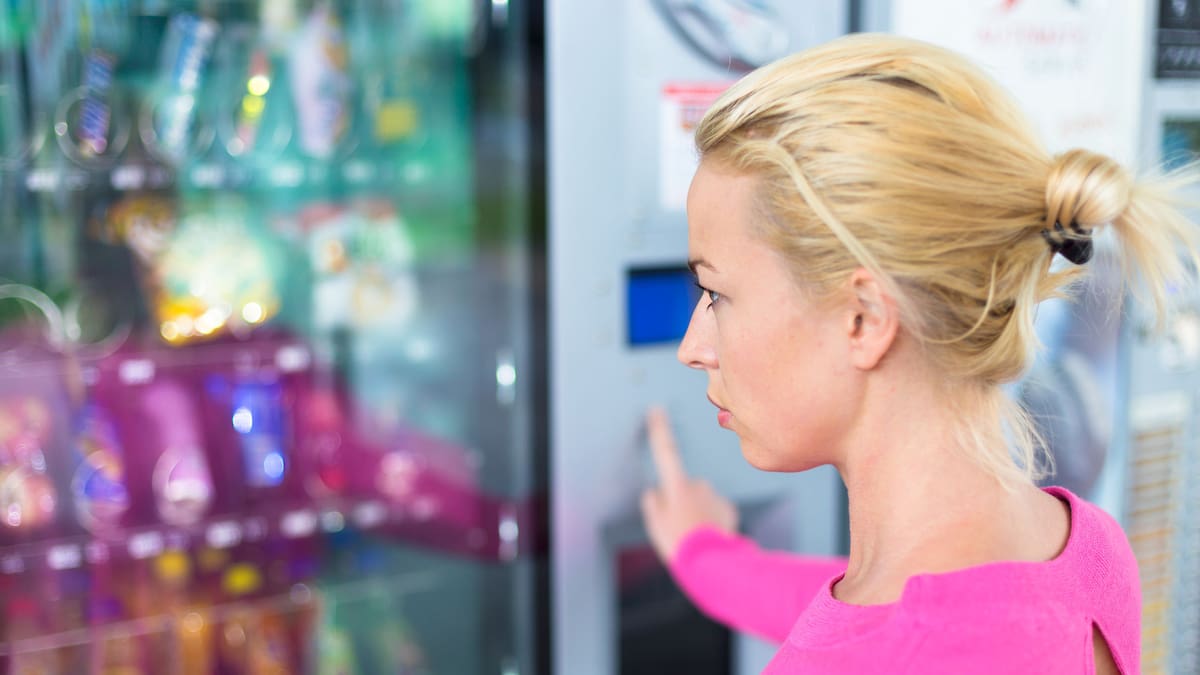
An increasing number of vending machines now feature “fall sensors” that trigger refunds if paid-for items don’t drop. Photo / iStock
“When a hand gets stuck, that means you went too far… trying to do a dodgy thing,” he told the Herald.
Villarreal said he had never had any safety-related issues with his machines.
He understood consumers might get frustrated if the drink or snack they had purchased became stuck in the machine because of a jam or a mechanical failure.
But his machines, and many others now on the market, now have “fall sensors” that trigger refunds if a paid-for item didn’t drop.
“If the product doesn’t pass through the sensor, you don’t get charged,” he said.
Neil Reid is a Napier-based senior reporter who covers general news, features and sport. He joined the Herald in 2014 and has 34 years of newsroom experience.
Sign up to The Daily H, a free newsletter curated by our editors and delivered straight to your inbox every weekday.