
Drug Foundation NZ director Sarah Helm said there had been a recent uprise in people taking “G” substances.
“G” substances refer to GHB, GBL and 1,4-BD drugs. The drugs give users a “euphoric” relaxed or sleepy high with an increased sense of touch, sound and sexual desire.
Negative side effects include blurred vision, blurred speech, feeling unco-ordinated, memory loss, panic attacks, tremors, heart palpitations, losing consciousness, psychosis and death.
GHB is often cut with cocaine, MDMA, caffeine, and methamphetamine to get users hooked. Its street value is said to be as low as $5 a dose – because even 1 gram is enough for a high.
Helm said the foundation’s own drug-checking clinics had exposed how unpredictable GHB had become.
“Between January and March, 46% of the G substances that came into our drug check-in clinics weren’t the substance the person thought they were,” she said.
GHB, GBL and 1,4-BD – what are the ‘G’ substances?
GHB is a United States Food and Drug Administration-approved prescription medication and goes by the name of Xyrem in the US. It’s used to help regulate narcolepsy by reducing daytime sleepiness and cataplexy (a sudden loss of muscle tone).
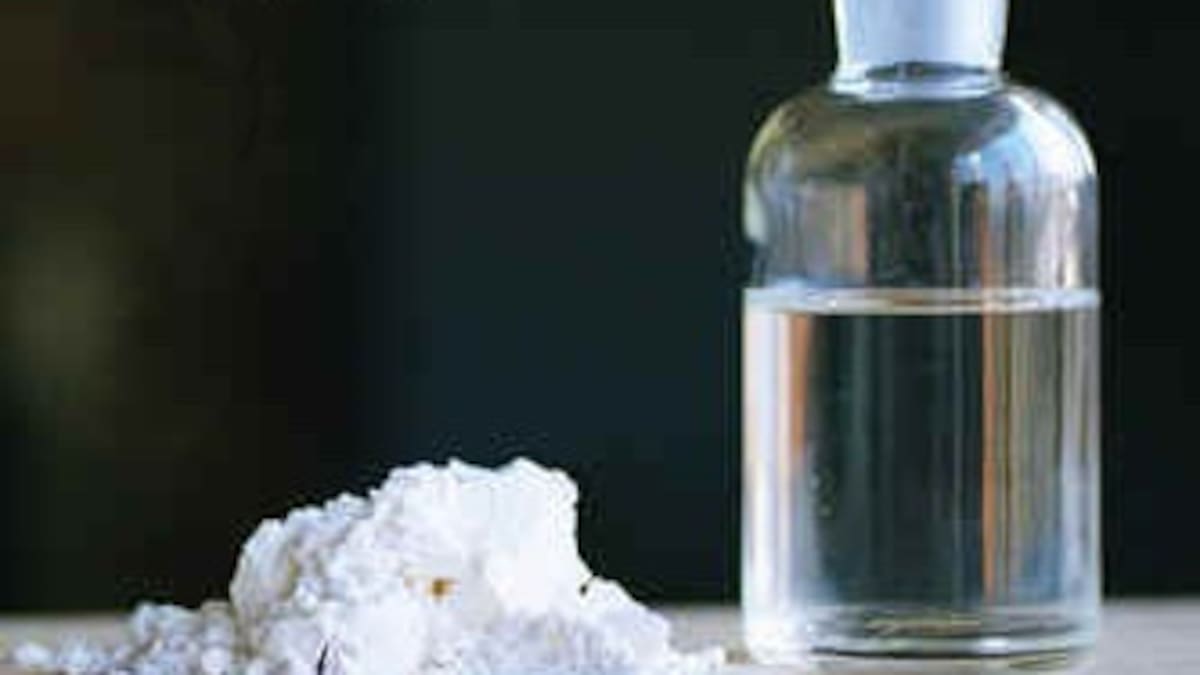
It is often sold as a clear, oily liquid or less commonly as a white powder that’s then dissolved in water or juice.
When not medically prescribed, a dosage of just 4 grams can lead to an overdose.
GBL (gamma butyrolactone) and 1,4 BD (1,4-butanediol) are found in industrial chemicals used to produce polyurethane, pesticides, elastic fibres, medicines, coatings on metal or plastic, and other products.
Once consumed, GBL and 1,4 BD rapidly turn to GHB in your body. According to Know Your Stuff, GBL comes on faster than GHB and is stronger, meaning it’s easier to overdose on.
The drugs take about 15 to 45 minutes to kick-in and last up to four hours.
In August last year, four people were arrested after nearly 2000 litres of GBL was seized at the border.
The product had a street value of $14 million, according to police.