
Key attractions include futuristic cities, traditional experiences, and iconic sites in Beijing and Shanghai. Photo / Unsplash
“A lot of China is viewed through influencers that post on social media or Western influencers who break down what is happening for context. It’s leading to a younger generation of travellers interested in visiting China,” says Jo Tudisco Guntert, Asia regional destination expert for Kensington.
Tudisco Guntert is seeing an increase in requests for Hanfu dress-up (traditional Chinese clothing) and palace banquet experiences in Beijing and Shanghai as clients watch more C-dramas, like the new Pursuit of Jade on Netflix.
China’s futuristic cities, like Shenzhen, Hangzhou and Chongqing, are another major draw for people disillusioned with their own countries’ slower development. Videos of city skylines that look like something out of a sci-fi flick, elaborate light and drone shows, efficient high-speed rail and an all-digital society are all part of the appeal for Western visitors.
“There is a lot of technology that really sparks the interest of tech-based tourism where visitors want to order coffee made by a robot, ride in a driverless taxi and go to a dinner or show experience that has an insane production of lights, sound and possibly fireworks,” says Tudisco Guntert.
But the internet isn’t entirely responsible for China’s tourism boom. This year, the country relaxed its strict visa policies, allowing visitors from 50 countries visa-free entry for 30 days and transit stays of 10 days.
Xiao long bao is one of the most famous and beloved Chinese foods globally. Photo / Unsplash
“We’re seeing an extraordinary resurgence in demand for China, with bookings for our flagship small-group journey, Iconic China and a Yangtze Cruise more than doubling year over year,” says Taylor Hub, global group product manager of Asia & South Pacific for Abercrombie & Kent. “What’s particularly notable is that we are seeing even stronger booking momentum extending well into 2027, a clear indication that travellers are eager to rediscover the destination.”
In such a massive country, overwhelm can be easy. But experts recommend visiting a handful of China’s Tier-1 and Tier-2 cities, including Beijing, Shanghai, Chengdu, Chongqing and Guangzhou.
China’s cultural appeal and relaxed visa policies are driving a surge in international tourism. Photo / Unsplash
As the capital of China, Beijing is a perfect entry point to some of the country’s most iconic sights, like Tiananmen Square and the Great Wall of China. And while things can feel very official here, a stay at Mandarin Oriental Qianmen helps transport you back in time, with luxury suites inside a traditional hutong neighbourhood.
Shanghai is arguably the country’s most “Westernised” city, making it an easy place to ease into a tour of China. Here, the famous Bund promenade is a main draw, as is the ancient Yu Gardens.
The country welcomed 68 million international travellers last year, up 15.5%. Photo / Unsplash
“Culturally, you get both sides: The Bund and former French Concession give a sense of familiarity, while Yu Garden, local dim sum shops, and neighbourhood lanes show you everyday Chinese life. Most of our Western guests use Shanghai as their first destination in China before heading to Hangzhou, Suzhou, or Beijing,” says Patrice Roman-Henry, manager of global communications for Alila.
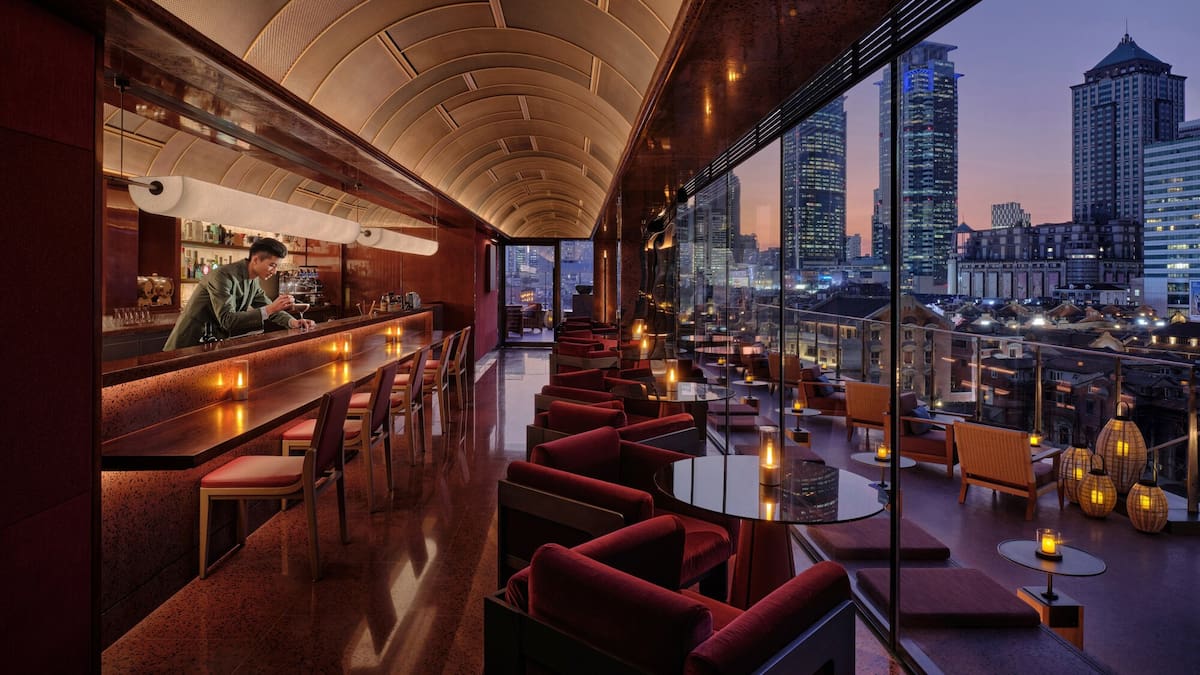
Alila Hotel, Shanghai. Photo / Alila Shanghai
Alila Shanghai is one of Shanghai’s top hotels, and they’re noticing more guests coming from Europe and North America and staying longer. “Word has gotten out on social media,” says Roman-Henry.
“First-time visitors tell us the reality is different from what they expected – the high-speed rail network works, mobile payments are everywhere, the streets are safe, and the food and history are unlike anything back home. For many Western travellers looking for something culturally different but still manageable, China hits that spot.”
Suzhou, Jiangsu, China. Photo / Unsplash
Chengdu is the capital of Sichuan province, home to the wickedly spicy, tingly peppercorns with the same name. But its reputation as China’s food capital isn’t the only thing that brings visitors.
Residence in Zhouzhuang Ancient Town, Suzhou Suzhou. Photo / Getty Images
It’s the hometown of China’s famous giant pandas, where you can catch a glimpse of these clumsy creatures at the Chengdu Research Base of Giant Panda Breeding.
Chongqing, known online as a Cyberpunk megacity, lights up the towering sci-fi architecture that makes it one of the country’s most Instagrammable destinations. Popular on social media, crowds gather to record one of its trains cutting through the centre of a residential apartment building at Liziba Station. From the world’s longest outdoor escalator, a visit to this futuristic city helps bring travellers one step closer to “Chinamaxxing”.