
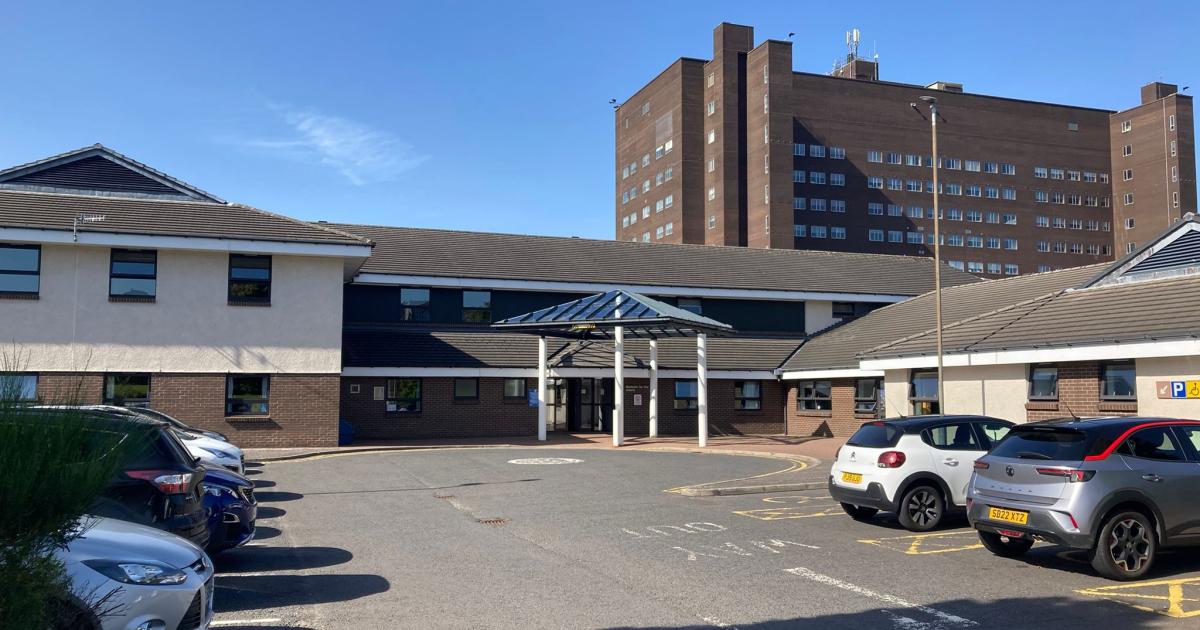
The call for improvement comes in a new report by the Mental Welfare Commission for Scotland, following an unannounced visit in February to the intensive psychiatric care unit (IPCU) at Inverclyde Royal Hospital’s Langhill Clinic in Greenock.
The eight-bed IPCU supports adults aged 18 to 65 who require higher levels of psychiatric care due to clinical risk.
While inspectors heard praise for the staff from patients, with one saying they felt ‘safe’ and another describing care as ‘very accommodating,’ the commission identified several areas where patient care could be improved, particularly in care documentation and risk assessment.
The commission also noted missing information in some risk assessments, specifically regarding active risks and management strategies.
The report stated that current audits focused more on completion than on the quality of information recorded.
The commission made seven recommendations, including that care plans should clearly reflect progress towards individual goals and involve patients in their own planning.
It also recommended that risk assessment audits be improved to focus on the identification of active risks and include risk management strategies specific to the risk identified.
Other recommendations included improvements in recording restrictions placed on patients, progressing plans for a recreational area in the unit’s garden, repairing storm-damaged fencing, and ensuring adherence to the hospital’s smoke-free policy.
During the visit, commission staff spoke with patients, a relative, and members of the care team, and also reviewed clinical notes.
Staff were praised for their approach and communication, and patients reported being aware of their rights and having access to advocacy services.
However, the unit continues to face a vacancy in its psychology post, which staff described as a loss to the trauma-informed care model.
Patients had access to occupational therapy, and some were able to take part in cooking sessions and other therapeutic activities.
The physical environment was described as clean, with single-occupancy, en-suite bedrooms, and shared use of a recreational space with the adjacent acute adult assessment unit.
There was no designated quiet space for de-escalation on the day of the visit.
The commission has given the service three months to act on the recommendations.
It has also asked for further details on how the unit has shared the report with patients and their families or carers.
When contacted for comment on the report, an NHS Greater Glasgow and Clyde spokesperson said: “Following the publication of a report by the Mental Welfare Commission for Scotland in February, we were pleased to note the positive feedback from both patients and relatives.
“The report states that nursing staff were seen as “very accommodating” of patients’ needs, that individuals spoke positively about their care.
“We also note that the report said patients were aware of their rights and were either involved with or had access to advocacy. In addition, we note that a relative saw our staff as approachable, and that they ‘knew what was happening’ with their loved one.
“It was also encouraging to note that the Commission found positive working relationships among staff, good communication and a good team ethos.
“We accept the recommendations and learnings identified in the report, and we are committed to implementing them in full.
“To that end, we have already put in place some changes to our processes and procedures to ensure the care we provide our patients continues to improve.”